
 Your Guide to Space
Guide
A launch is a sequence, not a single explosion of thrust.
Liftoff is the most dramatic moment, but the mission is judged by a chain of events: range, weather, ignition, max Q, staging, fairing separation, upper-stage burns, payload deployment, and confirmation.
Before liftoff, ask what can stop the clock. After liftoff, follow the milestones that prove the payload is where it needs to be.
Sources reviewed June 2026
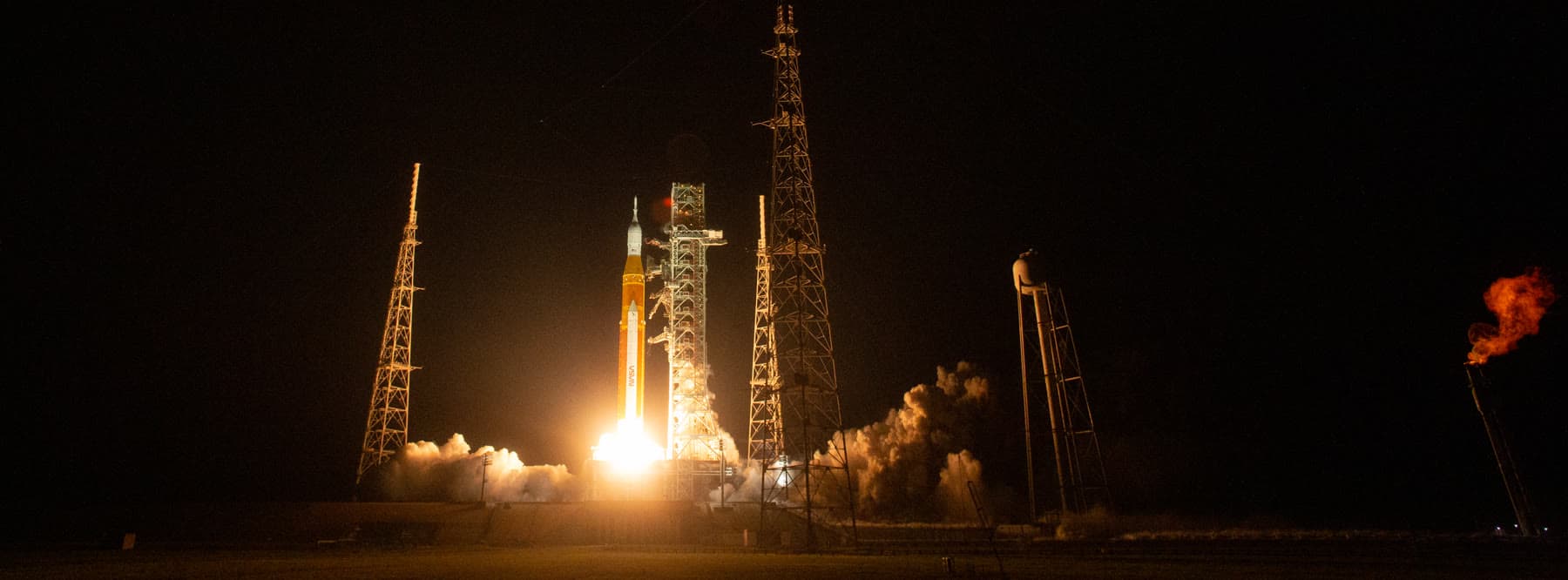
Countdown to orbit
Every launch has several different finish lines.
The countdown is a readiness test for the vehicle, pad, range, weather, payload, and mission team. A scrub can be frustrating, but it is often the system doing its job before risk becomes flight risk.
Once the rocket leaves the pad, the story changes. The booster must clear dense atmosphere and hand off cleanly. The upper stage must add orbital energy. The payload must separate, deploy, or continue toward a later target.
That is why a launch stream can look successful before the actual customer mission is complete. The right question is always mission-specific: what event proves this launch did what it was bought to do?
Launch phases
Watch the flight as three connected jobs.
Get safely off the ground
Weather, propellant loading, engine start, pad systems, flight computers, and range safety all have to agree before the vehicle commits.
Survive ascent
Max Q, staging, fairing separation, guidance, vibration, and engine performance decide whether the rocket can keep building energy.
Serve the payload
Orbit insertion, upper-stage restarts, deployment timing, docking targets, or deep-space injection decide whether the mission succeeds.
Mission proof
The milestone that matters depends on the payload.
A Starlink batch, crew capsule, lunar probe, cargo vehicle, and telescope can all launch on rockets, but their success moments are different. Good coverage follows the payload after the flame clears.
Modern launch streams expose more telemetry and mission audio than ever, but viewers still need context to separate normal holds from meaningful risk.
Max Q is the hardest aerodynamic pressure point.
Stage separation hands the mission from booster to upper stage.
Fairing separation exposes the payload after thick atmosphere.
Orbit insertion and deployment are where success becomes mission-specific.
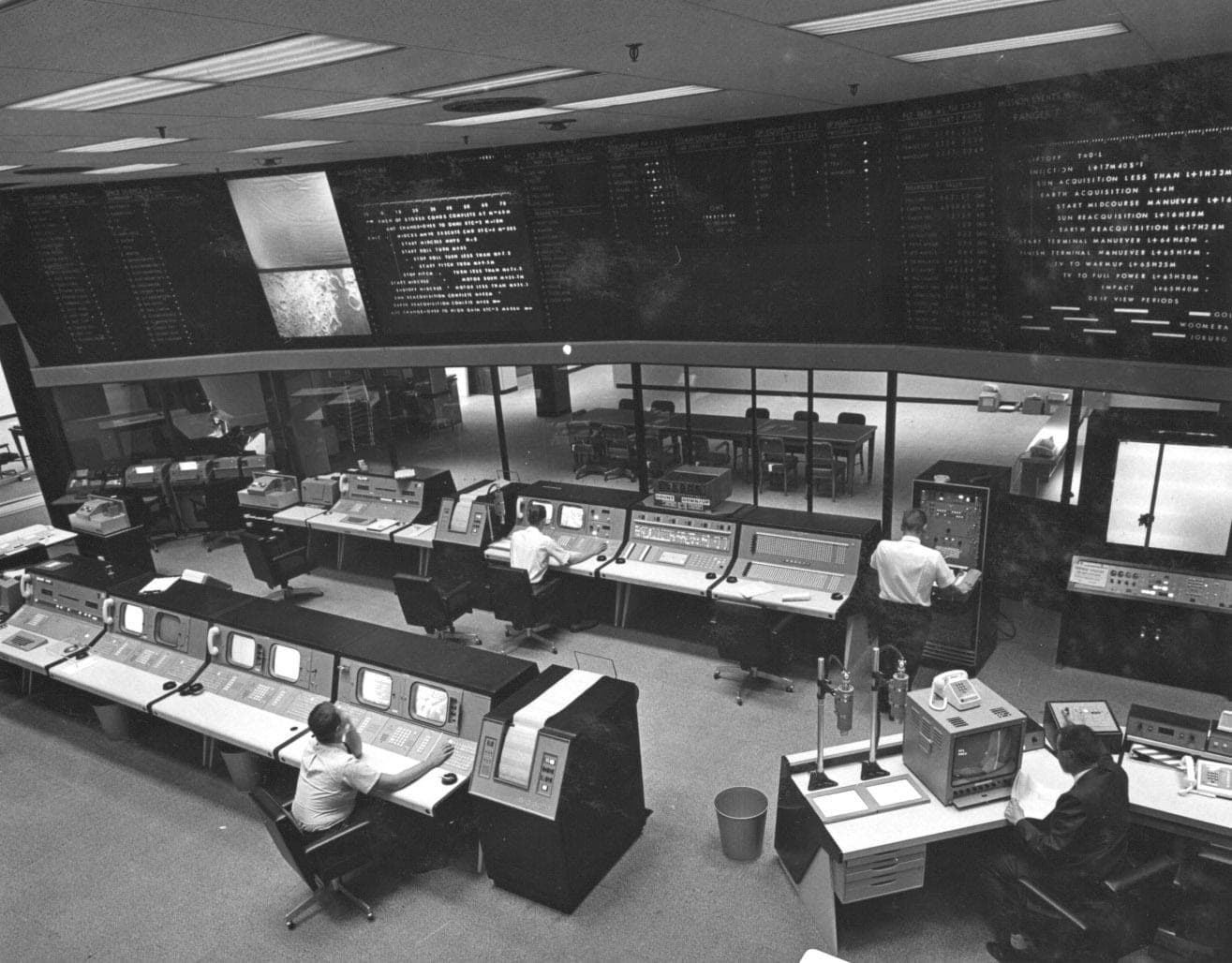
Why the clock stops
Launch teams are managing a live risk budget.
Holds and aborts are not random drama. They preserve time to resolve sensor readings, weather constraints, range conflicts, propellant issues, or mission-specific requirements.
That makes official source status important. A webcast may show the vehicle, but the launch provider, range, mission customer, and tracker source explain what the hold actually means.
What to listen for
The best launch streams tell you what risk changed.
Listen for weather probability, range status, engine chill and startup calls, max Q, main-engine cutoff, stage separation, fairing separation, upper-stage burn, payload deployment, and post-launch confirmation.
Weather and range calls before liftoff
Engine startup and abort windows
Stage separation and upper-stage relight
Payload deployment confirmation
Booster landing when reuse is involved
Common traps
These shortcuts make the story less accurate.
How Rocket Launches Work headlines can make one milestone sound like a finished system. These distinctions keep the update tied to what was actually demonstrated, decided, or still missing.
Liftoff is not the whole mission.
A scrub is not a failure; it is often the system refusing unsafe conditions.
A rocket can launch successfully while the payload mission is still pending.
Next steps
Keep the roadmap in view
Get major space updates, set launch reminder interest, or keep exploring the Roadmap that turns space progress into a readable system.