
 Your Guide to Space
Roadmap
Humanity Beyond Earth
A map of what we've achieved, what's being built right now, and what still needs to be solved before life beyond Earth becomes something ordinary.
We can already reach orbit, keep small crews alive, explore other worlds with robots, and prove we can nudge an asteroid off course.
What we can't yet do: sustain people away from Earth without constant resupply, land human-scale cargo on Mars, or run off-world industry at any meaningful scale.
The gap between those two things is what this roadmap is about.
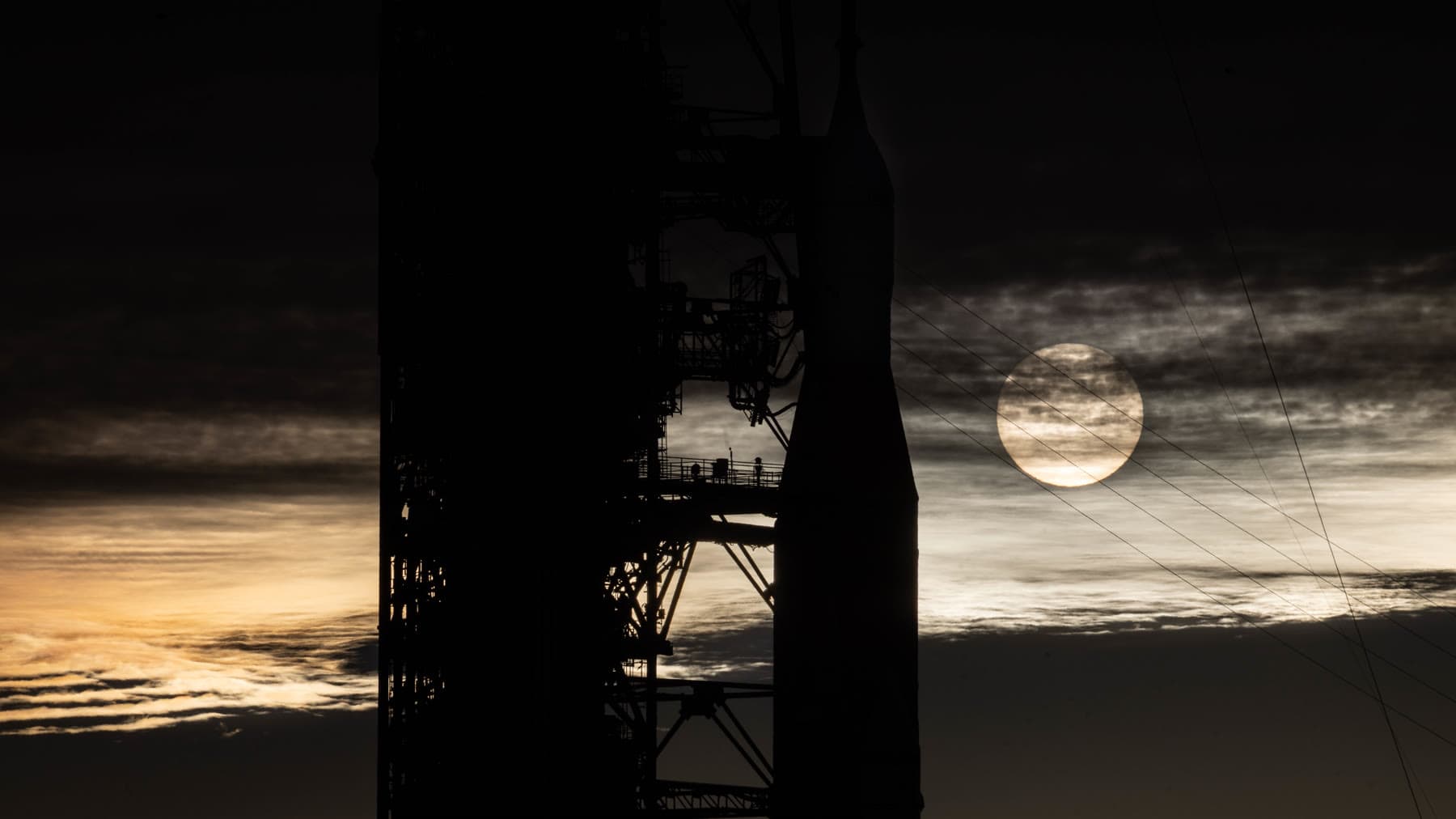
Humanity can launch repeatedly, keep small crews alive in orbit, transport professionals to low Earth orbit, operate sophisticated robots, and deliberately alter a small asteroid's orbit.
Being builtCommercial stations, lunar landers, lunar communications, fission surface power, cryogenic transfer work, and surface-resource demonstrations are in different stages of development.
Biggest blockerThe hardest leap is not one rocket. It is the combination of transportation cost, life support, power, logistics, rescue, economics, and governance.
Next evidenceWatch for integrated demonstrations: commercial destinations with crew, lunar surface systems working together, and propellant or resource systems used by real missions.
You are here
We're already deep into the story.
The point is perspective. We can already do things that would have seemed like science fiction a generation ago — and we're still missing most of what it would take to live out there for real.
We can
- keep small crews alive in Earth orbit
- transport people and cargo to orbit
- reuse major launch-vehicle components
- conduct private astronaut missions
- operate sophisticated robots across the solar system
- produce small experimental quantities of useful material away from Earth
- detect and deliberately alter a small asteroid's orbit
We cannot yet
- sustain humans away from Earth without extensive resupply
- land human-scale cargo reliably on Mars
- store and transfer large quantities of cryogenic propellant routinely in orbit
- produce food, fuel, air, water, and construction material off Earth at settlement scale
- protect humans reliably from deep-space radiation for very long missions
- build large orbital structures economically and routinely
- demonstrate a self-sustaining commercial economy away from Earth
Perspective
The impossible keeps becoming ordinary.
The story starts with things we can actually point to, measure, and build on — satellites, crewed flight, lunar landings, station life, reusable boosters, a nudged asteroid. Each one felt unreachable until it wasn't.
Explore the proof timeline

First artificial satellite
A human-built object reached orbit and made spaceflight measurable from the ground.
It proved orbital access and started the era where space became an operating domain rather than a theory.
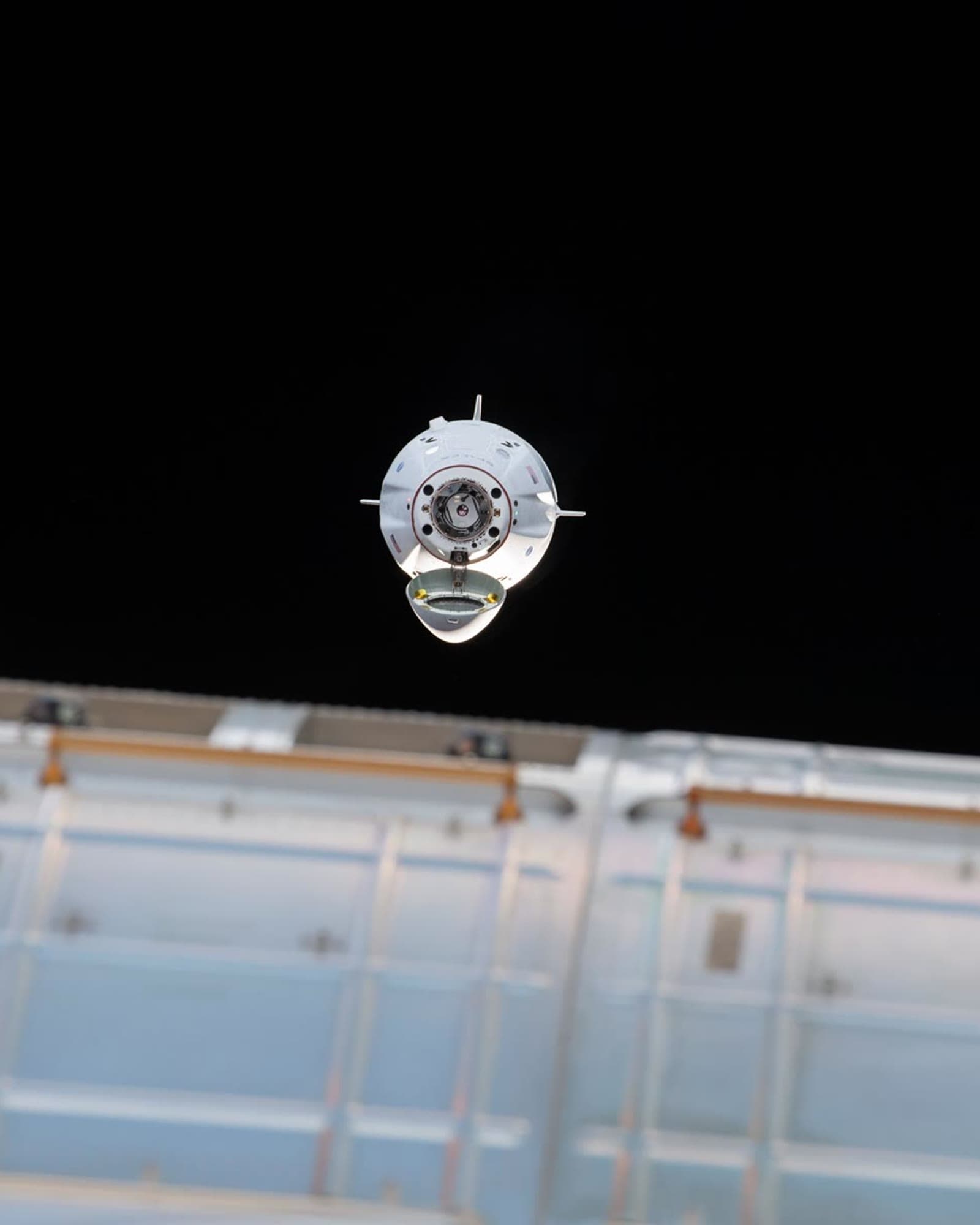
First human spaceflight
A person reached space and returned, proving the first human survival loop beyond the atmosphere.
Every later crewed mission builds on this simple fact: humans can cross the boundary and come home.
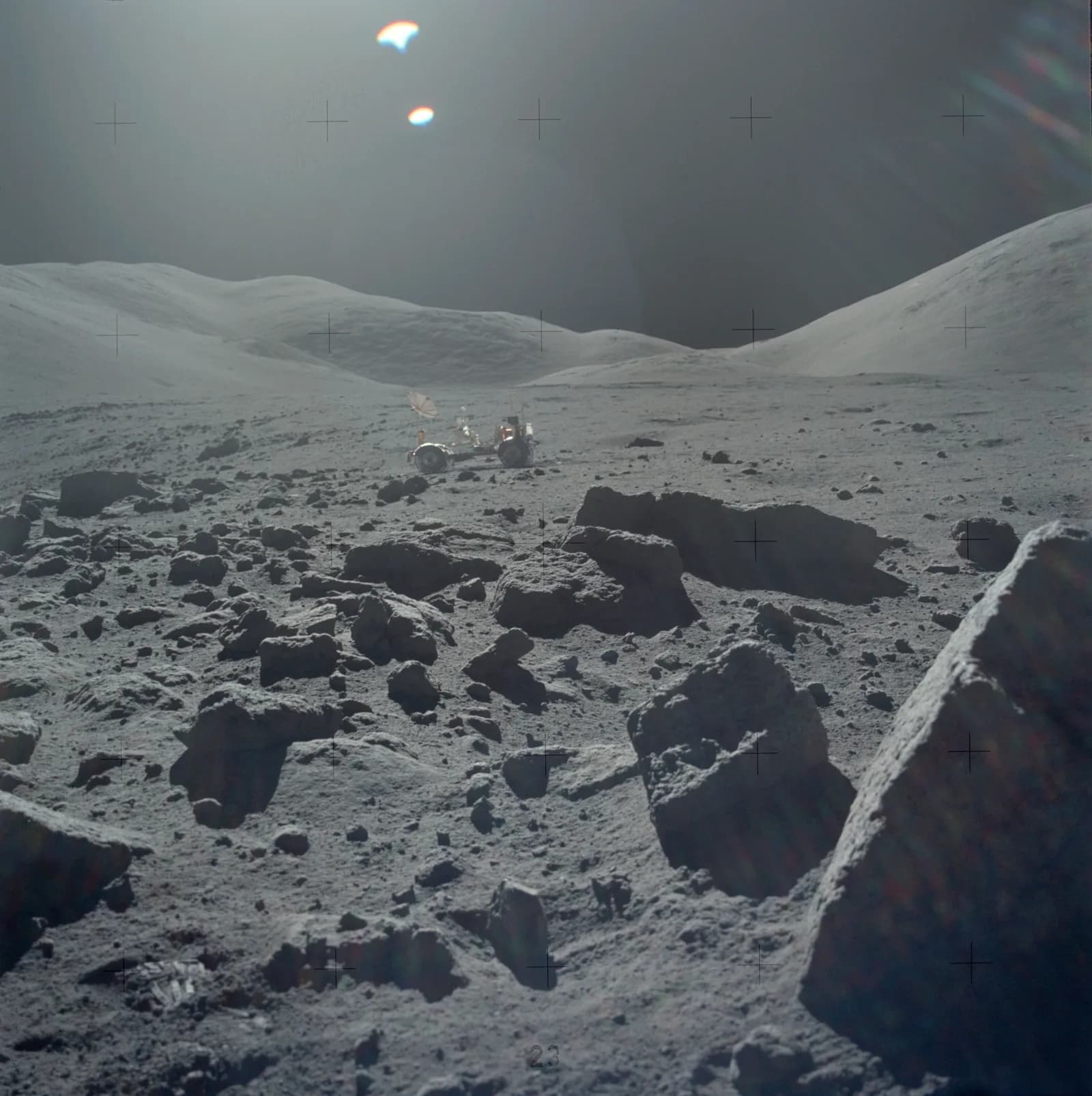
First lunar landing
Apollo proved that humans could land on another world, work there, and return to Earth.
It keeps the Moon page honest: the question is no longer whether humans can touch the Moon, but whether they can operate there repeatedly.
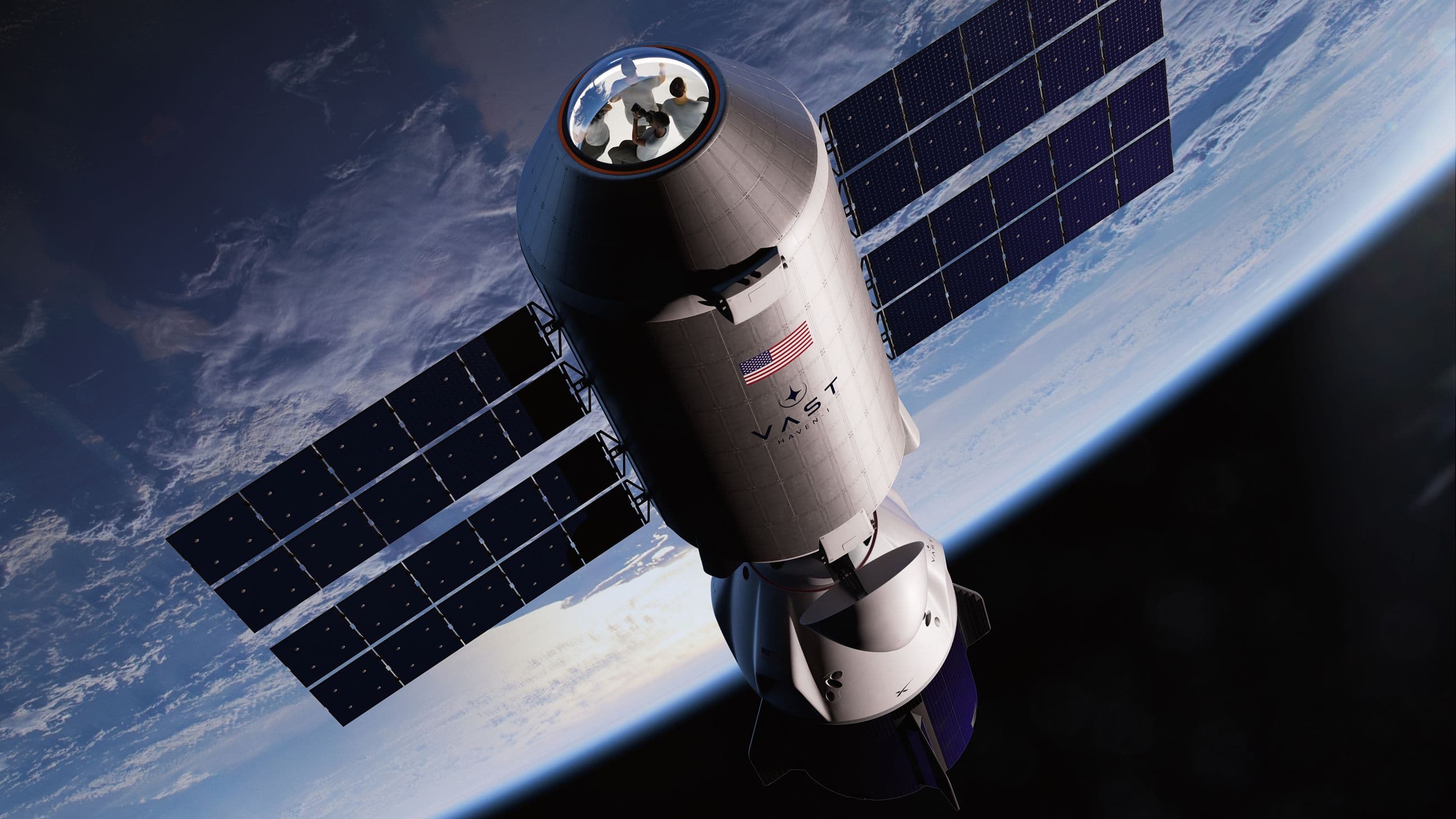
First long-duration space-station era
Early stations turned crewed spaceflight from short missions into habitation, maintenance, health, and operations work.
Stations are where space stopped being only a destination and became a place people have to keep running.
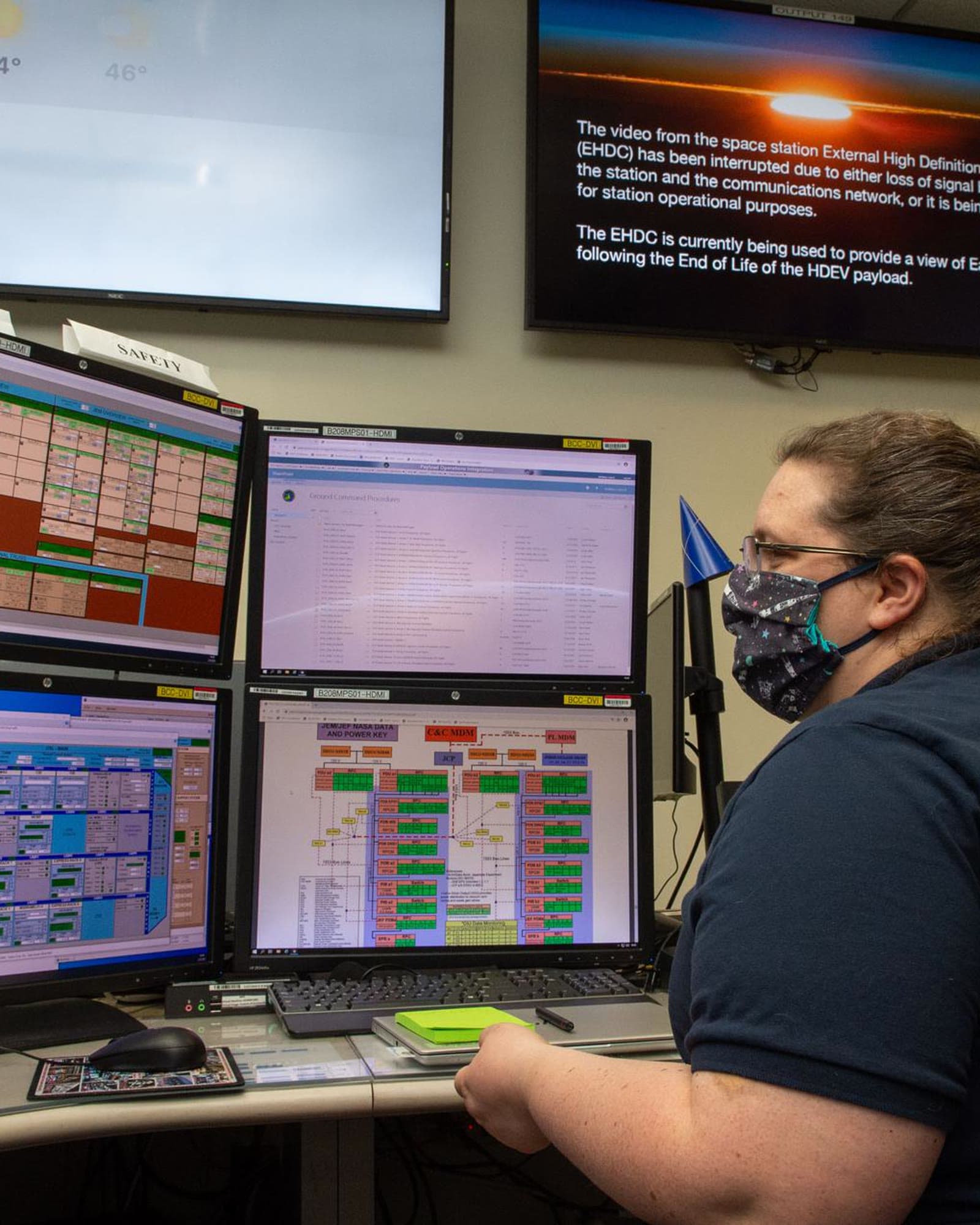
Continuous human presence in orbit
Humanity began keeping crews in orbit continuously, making space operations a standing responsibility.
This is the strongest proof that off-Earth life can be sustained when logistics, life support, and international operations hold together.
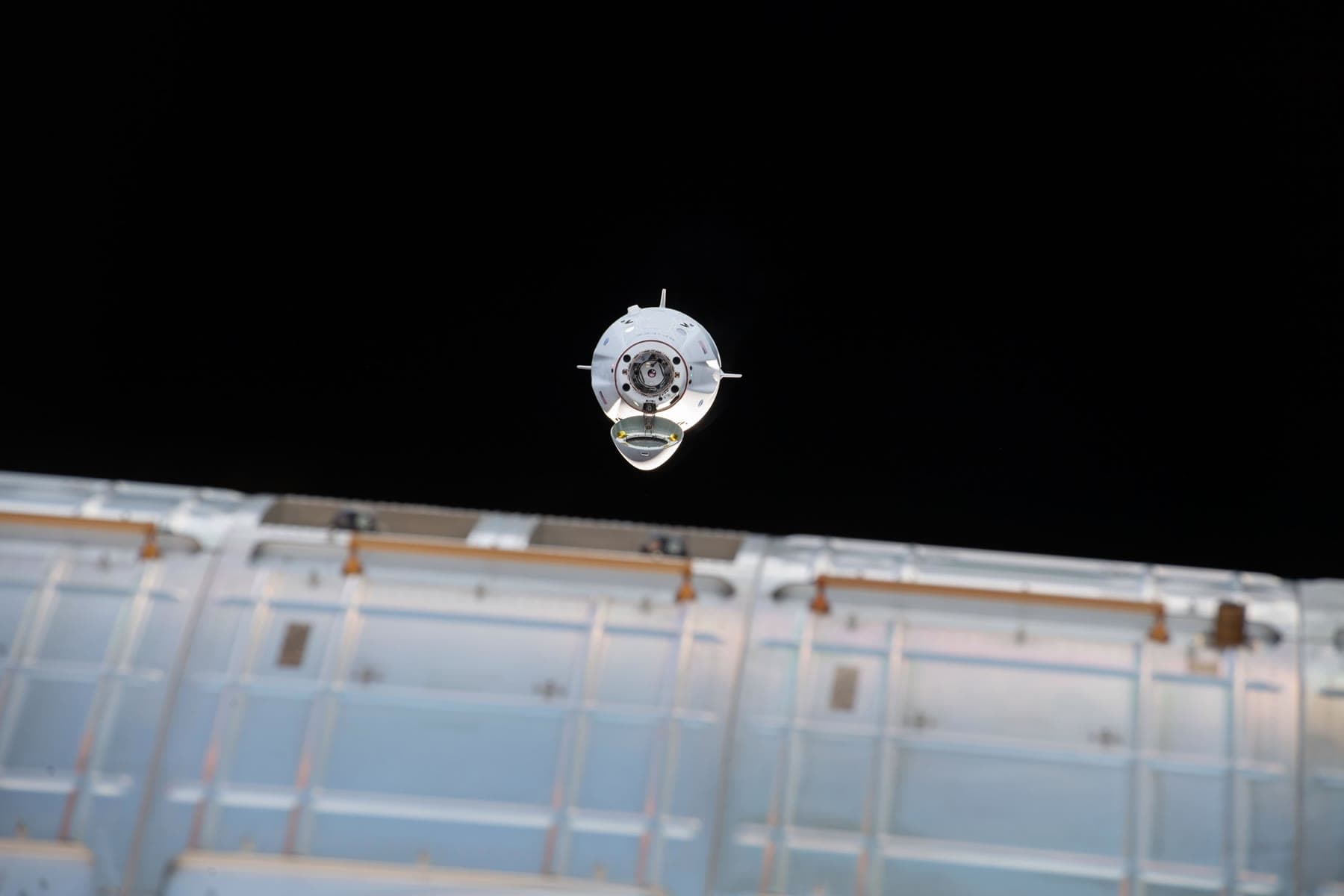
Operational commercial crew transportation
Commercial Crew made crew transport to orbit a service NASA can purchase from a private provider.
It is the bridge from government-only human spaceflight toward a market where destinations and transport can evolve separately.
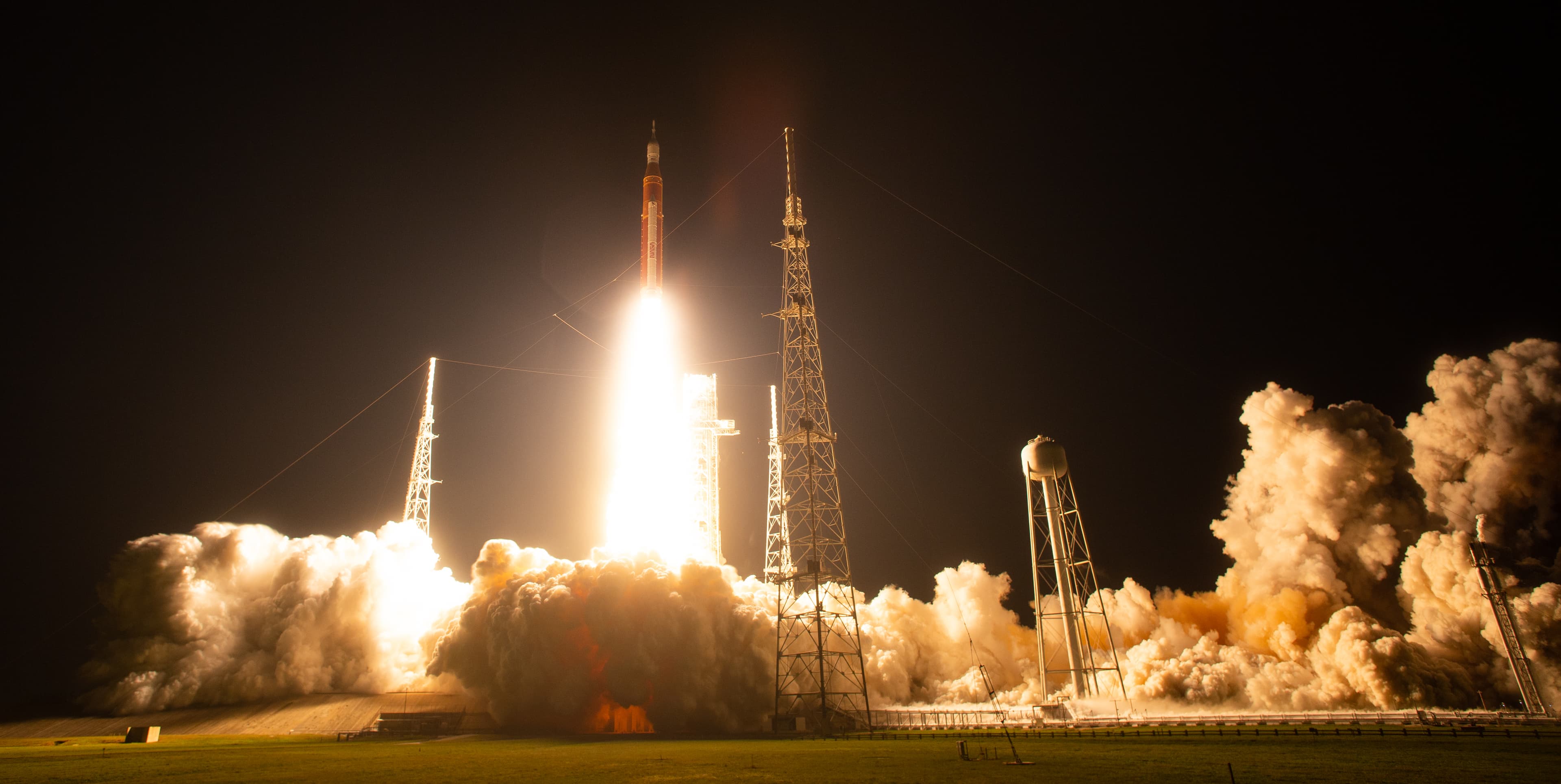
Repeated recovery and reuse of orbital-class boosters
A recovered orbital-class booster flew again, turning reuse from a demonstration into an operating path.
Reusable boosters are why today's launch cadence can be measured in operations, not only promises.
First intentional alteration of an asteroid's orbit
DART struck Dimorphos and changed its orbit around Didymos, proving a kinetic-impact deflection method.
Planetary defense is the clearest example of space capability protecting life on Earth.
In progress
The future is already being built. Here's what's on the pad.
These aren't finished systems — they're the places where real work is happening right now, turning engineering plans and dependency diagrams into hardware you can photograph.
The Moon is getting the ingredients of a navigation network.
NASA's LunaNet/LCRNS work defines and develops communications, networking, position, navigation, and timing services for lunar missions.
- Demonstrated
- Interoperability specifications and program work exist; a complete lunar service is not yet operational.
- Who is doing the work
- NASA SCaN, Goddard, commercial and international service providers
- Still unproven
- coverage, service continuity, field use near the lunar south pole, and multi-provider operations
Space gas stations begin with very difficult plumbing.
Programs are working on cryogenic storage, transfer, docking interfaces, and tanker/depot architectures.
- Demonstrated
- Spacecraft have transferred fluids before; large-scale cryogenic propellant transfer for architecture-critical missions remains unproven.
- Who is doing the work
- NASA technology teams, SpaceX, in-space logistics developers
- Still unproven
- large cryogenic transfer, boil-off control, repeated use, and customer demand
- Active Development
A small reactor could make the lunar night less decisive.
NASA and DOE are pursuing a 40-kilowatt-class fission surface power system for lunar and later Mars use.
- In Demonstration
Moon dust could become oxygen, but not yet at useful scale.
Researchers and programs study how to extract oxygen and useful materials from lunar regolith.
- Active Development
The largest spacecraft may have to be built after launch.
On-orbit assembly, servicing, robotics, and manufacturing work tries to break the size limits of single-launch payloads.
- Plausible Frontier
Space power research is real; utility power is not.
Researchers test solar collection, power beaming, and system studies for space-based solar power.
- Active Development
Some data may be more useful if processed before it comes home.
Orbital edge computing and high-capacity laser communications explore how satellites can process and move data in space.
Spacefaring Capability Map
The future is a network of capabilities.
Start with today's working systems, then follow the capabilities that make lunar stays, Mars missions, infrastructure, industry, and planetary defense more plausible.
Filters and lenses
Earth orbit
The Moon
Mars
Asteroids
Six great unlocks
A few cross-cutting breakthroughs unlock almost everything else.
The future isn't waiting on a single invention. It's waiting on clusters of capabilities that have to become reliable at the same time — and these six are the ones that open the most doors.
Explore the six capability unlocks
Routine, high-cadence reusable transportation
More frequent launch changes what can be tested, replaced, repaired, and afforded.
- Why it is hard
- Reuse has to survive operations, refurbishment, regulation, range limits, payload integration, and customer acceptance.
- Next evidence
- more providers achieving repeat recovery, refurbishment, and reflight
In-space refueling and logistics
Refueling lets vehicles be designed around networks instead of one launch from Earth.
- Why it is hard
- Cryogenic storage, transfer, docking standards, tanker cadence, and customers all have to work.
- Next evidence
- large cryogenic transfer used by a mission-critical architecture
Long-duration life support and human health
Crews can stay only as long as air, water, medicine, psychology, food, and repair hold together.
- Why it is hard
- Living systems fail in coupled ways and replacement parts are not always nearby.
- Next evidence
- higher-closure life-support and realistic medical autonomy in long-duration operations
Reliable, abundant off-world power
Power decides whether habitats, mining, oxygen, communication, computing, and heating can keep running.
- Why it is hard
- The Moon has long nights, Mars has dust and distance, and big orbital systems have heat problems.
- Next evidence
- surface or orbital systems operating through realistic environmental cycles
Autonomous construction, servicing, and maintenance
Large systems need machines that build, inspect, repair, and maintain without constant astronaut intervention.
- Why it is hard
- Robots must work in vacuum, dust, radiation, lighting extremes, and delayed control.
- Next evidence
- autonomous assembly or repair of a mission-critical structure
Local resource extraction and manufacturing
Using local oxygen, water, fuel, metals, and building material reduces what every mission must carry from Earth.
- Why it is hard
- Finding a material is easier than mining, processing, storing, maintaining, and using it in a real mission.
- Next evidence
- a surface system produces and uses a useful quantity of material
Pathways
Choose a destination and follow it to its blockers.
Each pathway uses the same structure — what's been proven, what's being built, what's still unsolved — so you can compare them honestly side by side.
Compare destination pathways
Access to Space
What has to happen before traveling to space becomes available beyond governments, career astronauts, and the extremely wealthy?
- Current state
- Professional crew transport and limited private astronaut missions are real; routine civilian orbital travel is still frontier.
- Biggest blocker
- cost, safety, rescue posture, vehicle cadence, and destination availability
- Next evidence
- More crew-capable vehicles and destinations flying repeat missions with clearer rescue and training models.
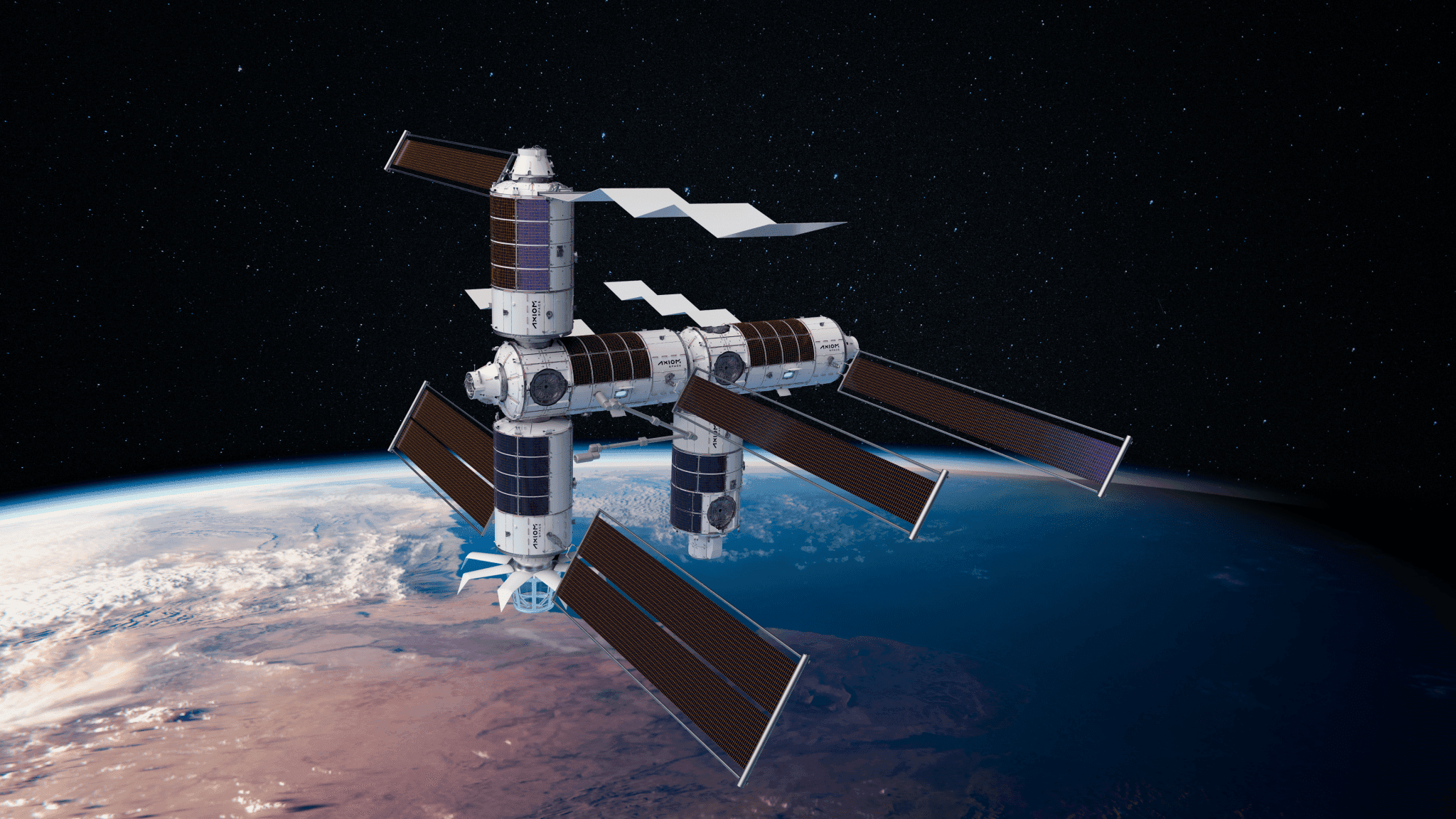
Living in Orbit
Can Earth orbit progress from a handful of government astronauts to a place where civilians live, work, research, manufacture, and visit?
- Current state
- Continuous human presence in orbit is operational; commercial destinations and broader civilian use are still under construction.
- Biggest blocker
- station financing, life-support reliability, customer demand, debris, and emergency evacuation
- Next evidence
- A commercial module or free-flyer reaches safe crewed operations with paying customers.
The Moon
Can the Moon evolve from a destination visited briefly into a place where humans remain, build infrastructure, and eventually travel for reasons beyond government exploration?
- Current state
- Human lunar landing has historical proof; the modern surface-return and infrastructure stack is still under construction.
- Biggest blocker
- reliable landing, cargo cadence, long-duration power, dust, radiation, life support, and rescue
- Next evidence
- Integrated lander, suit, cargo, communications, power, and surface operations evidence from Artemis and robotic precursors.
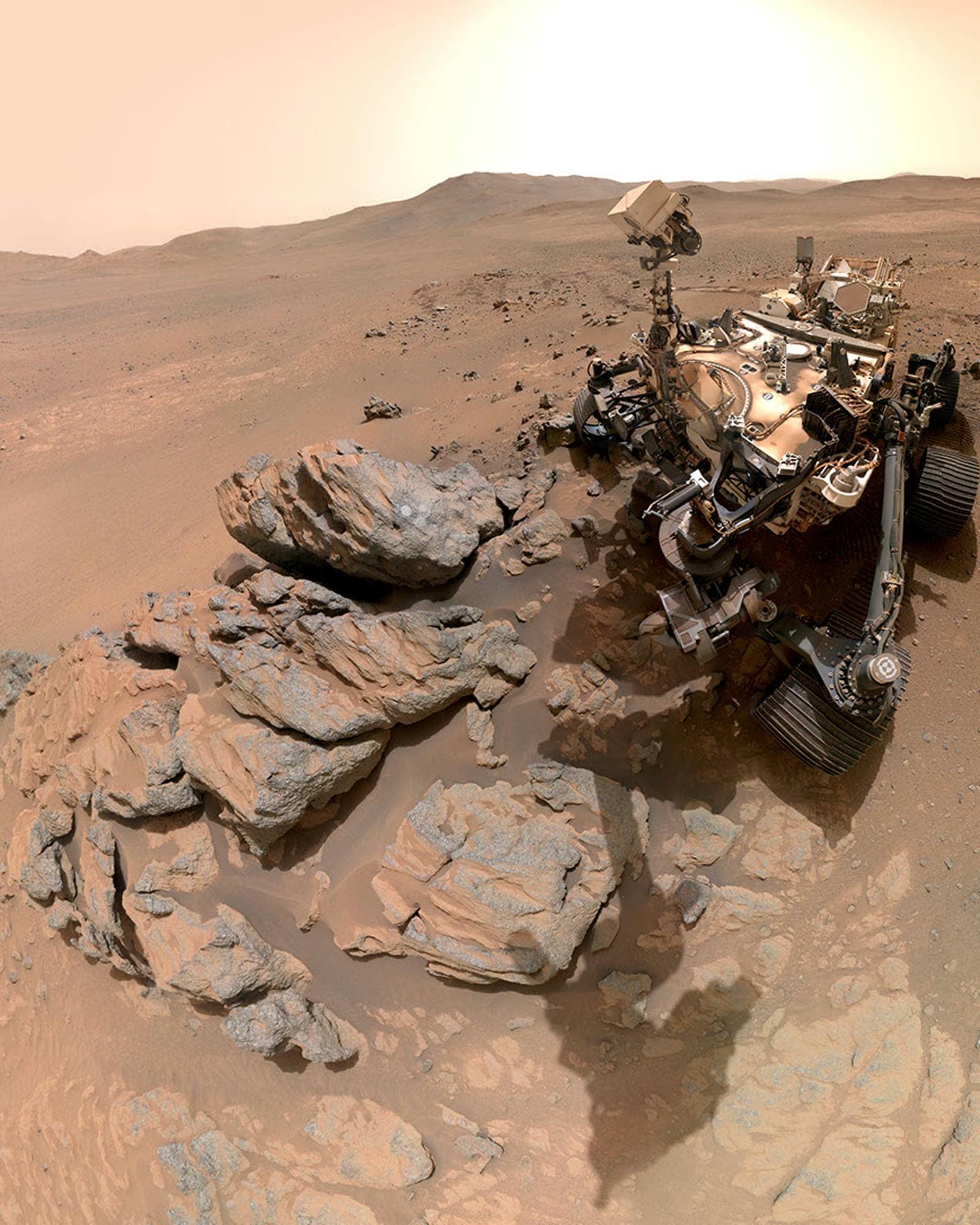
Mars
What stands between today's robotic Mars exploration and a recurring human presence?
- Current state
- Robotic Mars exploration is operational; human Mars systems remain frontier and dependency-heavy.
- Biggest blocker
- heavy cargo landing, radiation, transit duration, surface power, return fuel, medical autonomy, and financing
- Next evidence
- Human-scale Mars cargo landing and integrated surface/return architecture evidence.
Space Infrastructure
What infrastructure would make spacecraft operate as part of a network rather than as isolated, disposable missions?
- Current state
- Station logistics, rendezvous, docking, communications, and data relay are operational; depots, routine refueling, and shipyards are not.
- Biggest blocker
- standards, cryogenic storage, demand density, liability, debris, and autonomous operations
- Next evidence
- A mission-critical refueling, servicing, or cislunar logistics demonstration that changes what a later mission can do.
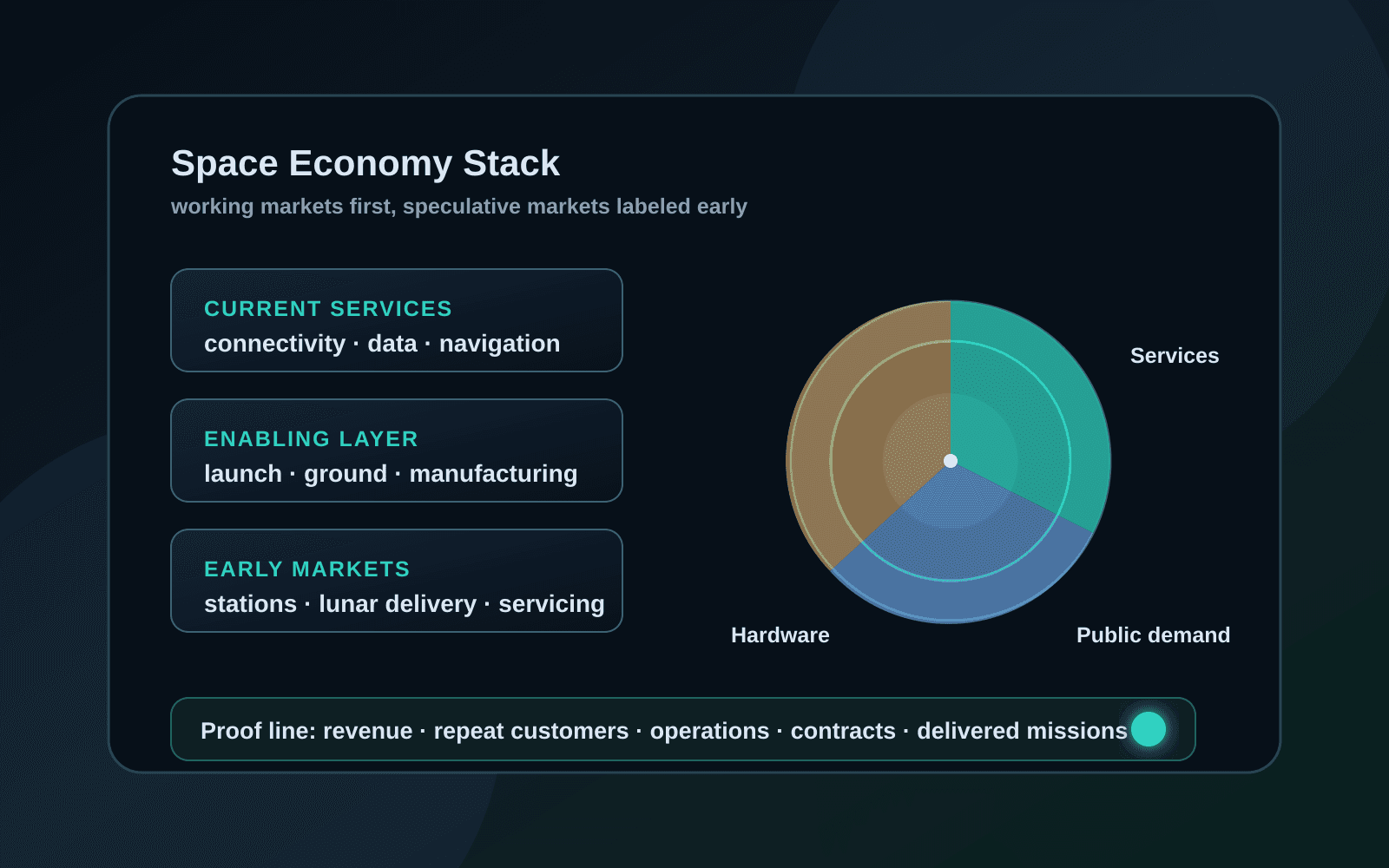
Off-World Industry
Can space become a place where useful products, structures, fuel, and materials are created rather than merely delivered?
- Current state
- Research and limited demonstrations exist; useful industrial scale is not yet proven.
- Biggest blocker
- valuable products, quality control, robotic reliability, power, legal rights, and demand
- Next evidence
- Repeat production or resource processing that an actual customer or mission uses because space made it better.
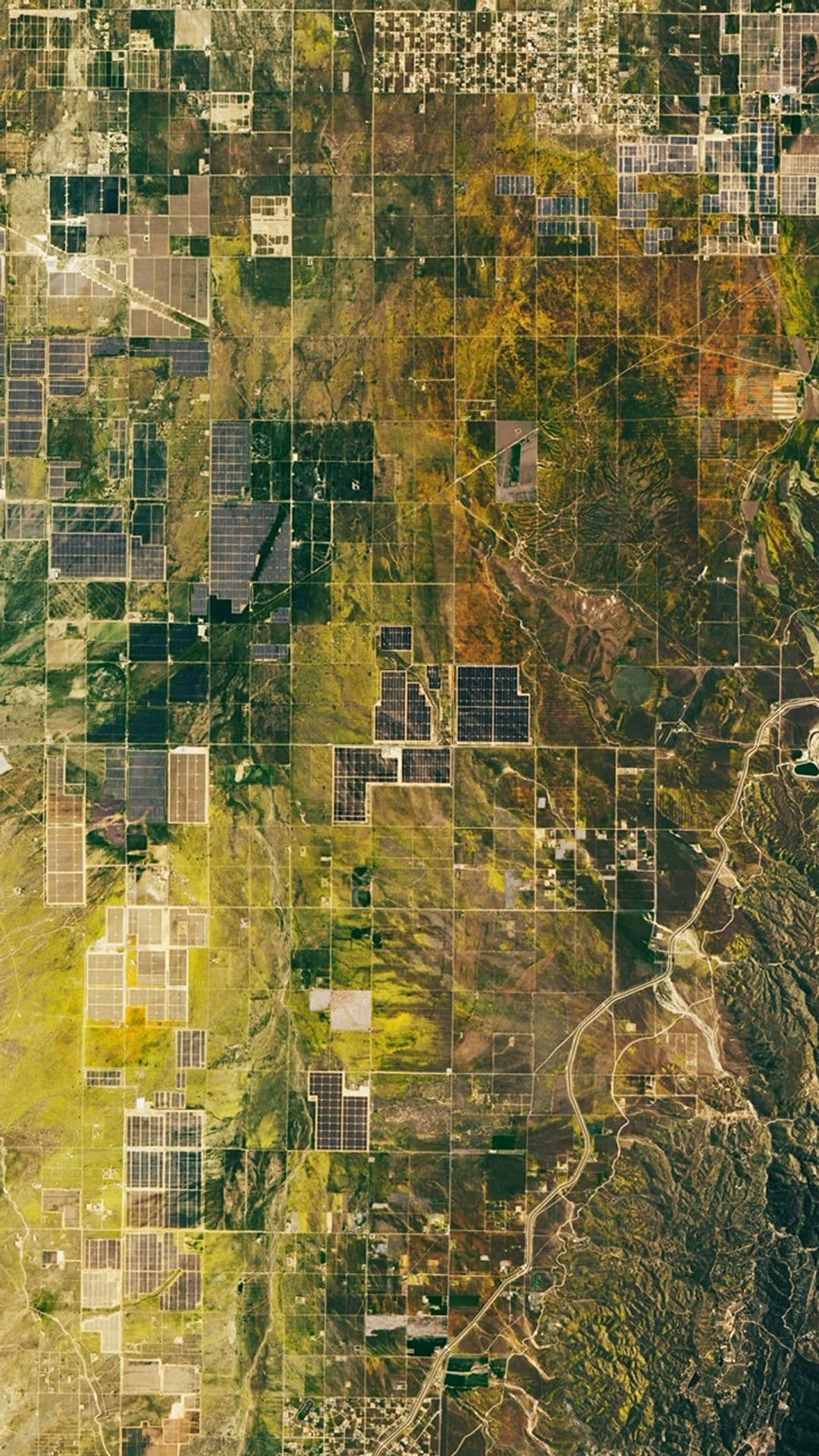
Power & Compute
Could orbital infrastructure one day provide electricity, computing, storage, communications, and other services used directly by people on Earth?
- Current state
- Solar-powered spacecraft, communications, and onboard processing exist; orbital data centers and utility power remain frontier.
- Biggest blocker
- heat rejection, radiation, launch/assembly cost, maintenance, power-beaming economics, ground infrastructure, and debris
- Next evidence
- A paying customer or mission uses orbital compute, storage, or power transmission at a scale that beats the terrestrial alternative.
Planetary Defense
Can humanity reliably detect, characterize, and respond to dangerous asteroids or comets before they threaten Earth?
- Current state
- Detection, tracking, warning coordination, and DART proof exist; a standing response service does not.
- Biggest blocker
- early detection, dark objects, long-period comets, composition uncertainty, launch readiness, authority, and funding
- Next evidence
- Better survey coverage plus a practiced reconnaissance/response architecture that could be used before a real threat.

Beyond
How far can humanity's instruments-and eventually humanity itself-travel?
- Current state
- Robotic deep-space exploration is real; probes to nearby stars and human interstellar travel remain far beyond committed programs.
- Biggest blocker
- propulsion energy, travel time, power, communications, autonomy, hardware longevity, and institutional continuity
- Next evidence
- A funded interstellar precursor architecture with credible propulsion, power, communication, and decades-long operations plan.
Reality check
The same hard problems keep showing up.
Transportation, power, life support, radiation, in-situ resources, rescue, and economics appear on almost every pathway. They're not individual blockers — they're the shared walls every future has to get through.
Review the shared hard problems
High-cadence affordable transportation
Space futures stay small when every kilogram is rare, slow, and expensive.
Multiple providers repeatedly fly useful payloads with shorter turnaround, transparent reliability, and lower mission cost.
Cryogenic propellant storage and transfer
Many Moon and Mars architectures depend on moving very cold propellant between vehicles after launch.
A mission-relevant in-space transfer stores and moves cryogenic propellant reliably enough to change a real architecture.
Closed-loop life support
Crews away from Earth need air, water, food, waste handling, spares, and repair without constant emergency resupply.
A long-duration habitat demonstrates high-closure air and water systems with maintainable repair paths.
Deep-space radiation protection
Beyond low Earth orbit, crews lose much of Earth's magnetic shielding.
Mission architectures demonstrate practical storm shelters, exposure monitoring, shielding, and medical response for deep-space crews.
Heavy Mars landing
Mars is hard to land on because the atmosphere is thick enough to heat a vehicle and thin enough to provide limited braking.
A Mars entry, descent, and landing system places human-scale cargo on the surface intact.
Reliable off-world power
Habitats, communications, mining, oxygen production, and thermal systems all become fragile without abundant power.
A surface system runs through difficult environmental cycles while supporting real mission loads.
What changed
When the evidence changes, the path changes with it.
These updates appear when a hardware result, a funding decision, a flight success or failure, or a new source record genuinely shifts what a future depends on.
Read recent evidence changes
Commercial LEO transition remains an active procurement watch
NASA's commercial LEO destination path is active and evolving; the Roadmap keeps it under construction rather than operational.
- Previous state
- commercial stations treated as generic future concepts
- New state
- commercial destination work linked to NASA program and procurement evidence
- Why it matters
- The post-ISS transition is one of the earliest tests of whether low Earth orbit can become a service market.
Lunar communications and navigation promoted as a named dependency
LunaNet/LCRNS evidence makes lunar navigation more than a nice-to-have; it becomes a pathway dependency for surface operations.
- Previous state
- lunar communications listed as background infrastructure
- New state
- lunar relay and PNT shown as explicit prerequisites for outpost and logistics outcomes
- Why it matters
- Future visitors need more than rockets. They need a Moon that can communicate, navigate, and coordinate traffic.
DART treated as proof of method, not a complete shield
The planetary defense pathway distinguishes kinetic-impact proof from a standing detection-and-response capability.
- Previous state
- asteroid deflection described as a successful event
- New state
- DART linked to remaining survey, characterization, authority, and response gaps
- Why it matters
- The emotional beat is stronger when the page shows both the astonishing proof and the remaining public-safety system.
Forecasts
What do you think happens next?
Pick a future, name the evidence that would change your mind, and save it privately on this device. It's a useful forcing function for thinking clearly about what's actually likely.
Open the private forecast tool
Which arrives first: a commercial free-flying station or a crewed lunar return?
This forecast compares two under-construction human-spaceflight paths with different dependencies.
Close condition: Close when a free-flying commercial station reaches crewed operations or a crewed lunar surface mission lands and returns.
Which becomes economically useful first: orbital manufacturing or orbital computing?
The question forces readers to separate technical possibility from economic use.
Close condition: Close when a provider shows repeat paid service with clear customer value beyond demonstration.
Will lunar oxygen production be demonstrated before orbital propellant depots become operational?
Both outcomes are often described as inevitable, but both need hard evidence.
Close condition: Close when a useful-scale lunar oxygen demonstration or a routine depot service reaches public mission use.
Will a permanently staffed lunar outpost exist before a human Mars landing?
The answer depends on logistics, politics, surface power, and how programs choose to sequence risk.
Close condition: Close when either a lunar outpost is staffed continuously or a human crew lands on Mars and returns safely.
Current signals
Today's news earns a place here only when it changes something real.
Space Now, Launch Intelligence, and Nations keep the Roadmap grounded in the present — telling you what just changed, which signal comes next, and which programs can actually move a pathway forward.
Read the current briefing
Start with the live editorial view when you want to know which current developments are strong enough to touch the Roadmap.
Current updateStarship Flight 12 investigation
A current test-campaign signal for full reuse, orbital refueling confidence, and the harder Moon-to-Mars architecture.
Current updateArtemis III crew context
A Moon-roadmap signal because crew assignment only matters if lander, suits, Gateway, and surface operations also converge.
NationsCompare national capability
The Nations map shows which space programs can launch, crew, explore, build infrastructure, or contribute to the same capability stack.
Trust
How we keep this honest.
Every image, date, status, and claim is labeled — so wonder and evidence can sit next to each other without one overselling the other.
How a status moves forward
A capability advances when public evidence shows hardware in operation, customer use, repeatable performance, or a clearer path through a known blocker. Announcements alone don't move it.
What triggers an update
We update when there's new evidence, a failure, funded hardware, a canceled program, a revised target, or a newly understood blocker — not just new coverage.