
 Your Guide to Space
Mission map
Missions show what space plans are becoming.
Rockets make the news, but missions decide whether space progress becomes useful. Follow the crew flights, robotic explorers, observatories, stations, and orbital networks by what they make possible, not just where they go.
A mission update matters when it changes what a spacecraft, crew, station, telescope, or network can actually do. A target date, contract, or rendering is not the same thing as hardware operating, landing, docking, returning data, or serving real customers.
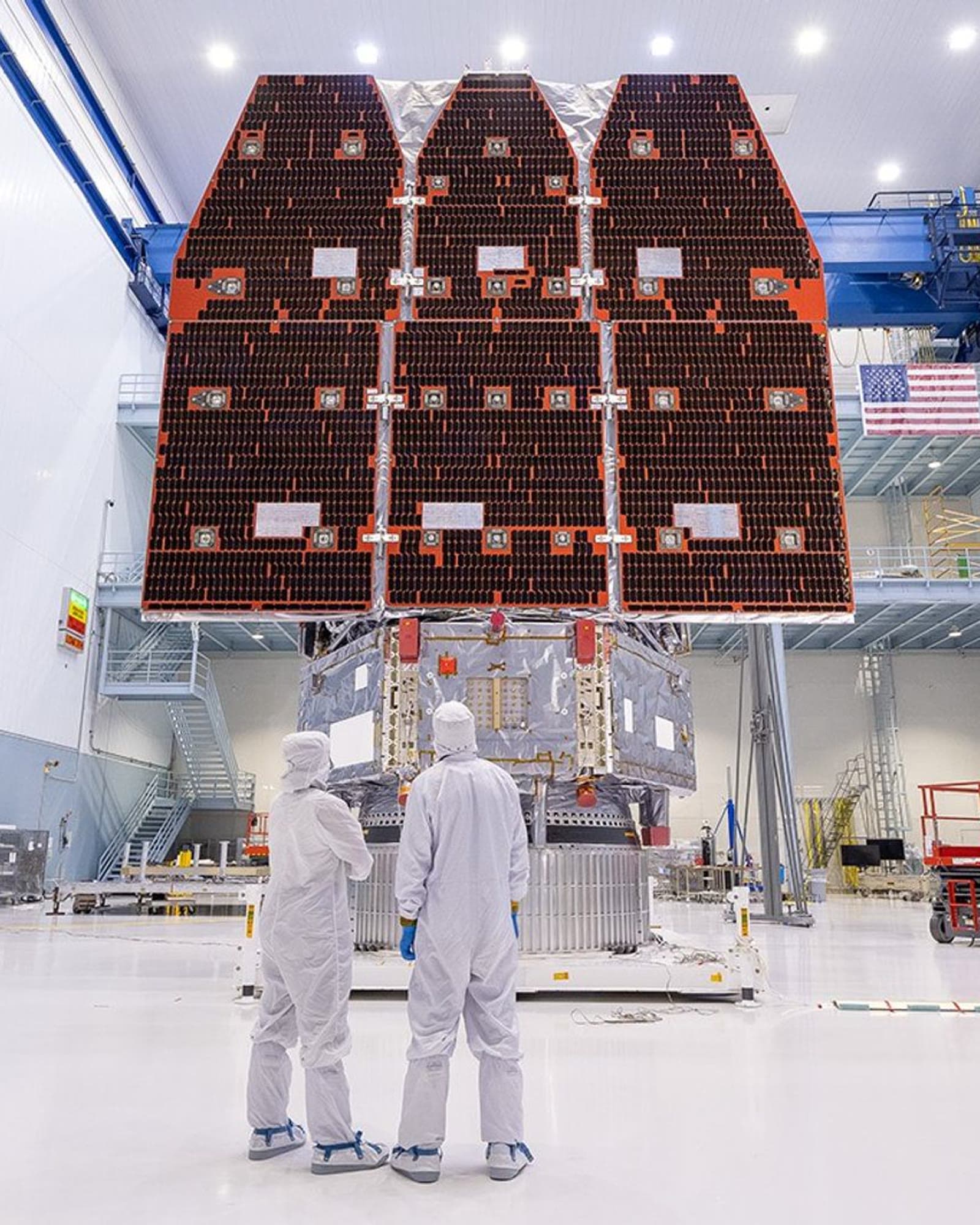
The bigger picture
Every mission asks: what can space activity do now?
A launch can be spectacular and still leave the hard question unanswered. The lasting value is whether the mission makes something more reliable: crew safety, landing precision, docking, surface endurance, data return, sample recovery, station operations, or customer-scale service.
That is why Artemis, Europa Clipper, Dragonfly, the ISS, Roman, Starlink, Amazon Leo, commercial lunar landers, Mars robots, and private crew flights belong on one map. They are different answers to the same public question: which parts of space activity are becoming reliable enough for the next mission to build on?
The answer changes slowly. A mission can be on track, redesigned, delayed, or operating successfully while still leaving important work unfinished. The useful habit is to separate what is already working from what still has to happen next.
Mission areas
Choose the mission area behind the next headline.
Each category answers a different public question. Use these cards to decide whether a story is about Moon logistics, Mars samples, ocean-world science, station continuity, crew transport, or orbital infrastructure.
Artemis Missions
Start here when a Moon headline depends on SLS, Orion, landers, Gateway, suits, rovers, or the surface systems that have to work together.
Lunar deliveryCommercial and international Moon missions
Follow this lane for commercial landers, international lunar missions, south-pole work, and the wider Moon race outside NASA's crew-return path.
Mars samplesMars Missions
Read this lane for Perseverance's sample cache, Mars Sample Return, MMX, orbiters, and the hard bridge from robotic science to human ambitions.
Ocean worldsJupiter and Europa
Follow the long outer-planet story: Europa Clipper, Juice, icy moons, radiation, subsurface oceans, and careful habitability claims.
TitanSaturn and Titan: Dragonfly
Track NASA's Titan rotorcraft mission by the chemistry it will study and the flight, launch, cruise, and landing steps it still has to clear.
ObservatoriesSpace Telescopes and Observatories
Follow Roman, Webb, Hubble, Euclid, TESS, Chandra, and the observatories that turn launches into years of usable science data.
Station operationsInternational Space Station
Understand the station as daily orbital infrastructure: crews, cargo, science, repairs, visiting vehicles, partnerships, and the post-ISS clock.
Private crewCommercial Human Spaceflight
Separate real crew transport and private astronaut missions from the harder question of whether private stations can become safe destinations.
Orbital networksSatellite Internet and Megaconstellations
See how satellite broadband connects everyday service, direct-to-cell promises, spectrum rules, orbital debris, astronomy, and replacement launches.
Mission families
The mission landscape has three jobs.
Exploration systems
Artemis, commercial lunar delivery, Mars sample work, and human spaceflight expose the hardest operational question: can the same chain of rockets, spacecraft, people, tools, and logistics keep working after the first milestone?
Science that takes patience
Europa Clipper, Juice, Dragonfly, Roman, Webb, Hubble, and Mars robots turn years of development and cruise time into observations that can rewrite what we know about planets, moons, stars, and habitable worlds.
Infrastructure people can use
The ISS, commercial stations, crew taxis, Starlink, Amazon Leo, and other orbital networks matter when they become reliable services rather than isolated demonstrations.
From plan to reality
A mission becomes more serious at each real-world step.
These steps keep the story honest. A program can be important long before it reaches the last one, but the public claim should match what the mission has actually done.
Design
A mission concept becomes serious when the architecture, budget, partners, and hardware responsibilities are specific enough to test.
Build
Flight hardware, ground systems, software, operations training, and integration work reveal whether the plan can survive contact with engineering reality.
Launch
Leaving Earth proves only the first part of the chain. The next question is whether the spacecraft, crew, payload, or service can do useful work.
Operate
Docking, landing, deployment, cruise, station servicing, data return, or customer service are where missions become more than launch events.
Learn
The strongest missions produce knowledge that changes the next plan: science data, recovered samples, safer procedures, better maps, or clearer demand.
Repeat
A space capability becomes durable when the lesson carries forward and the next attempt starts with fewer unknowns.
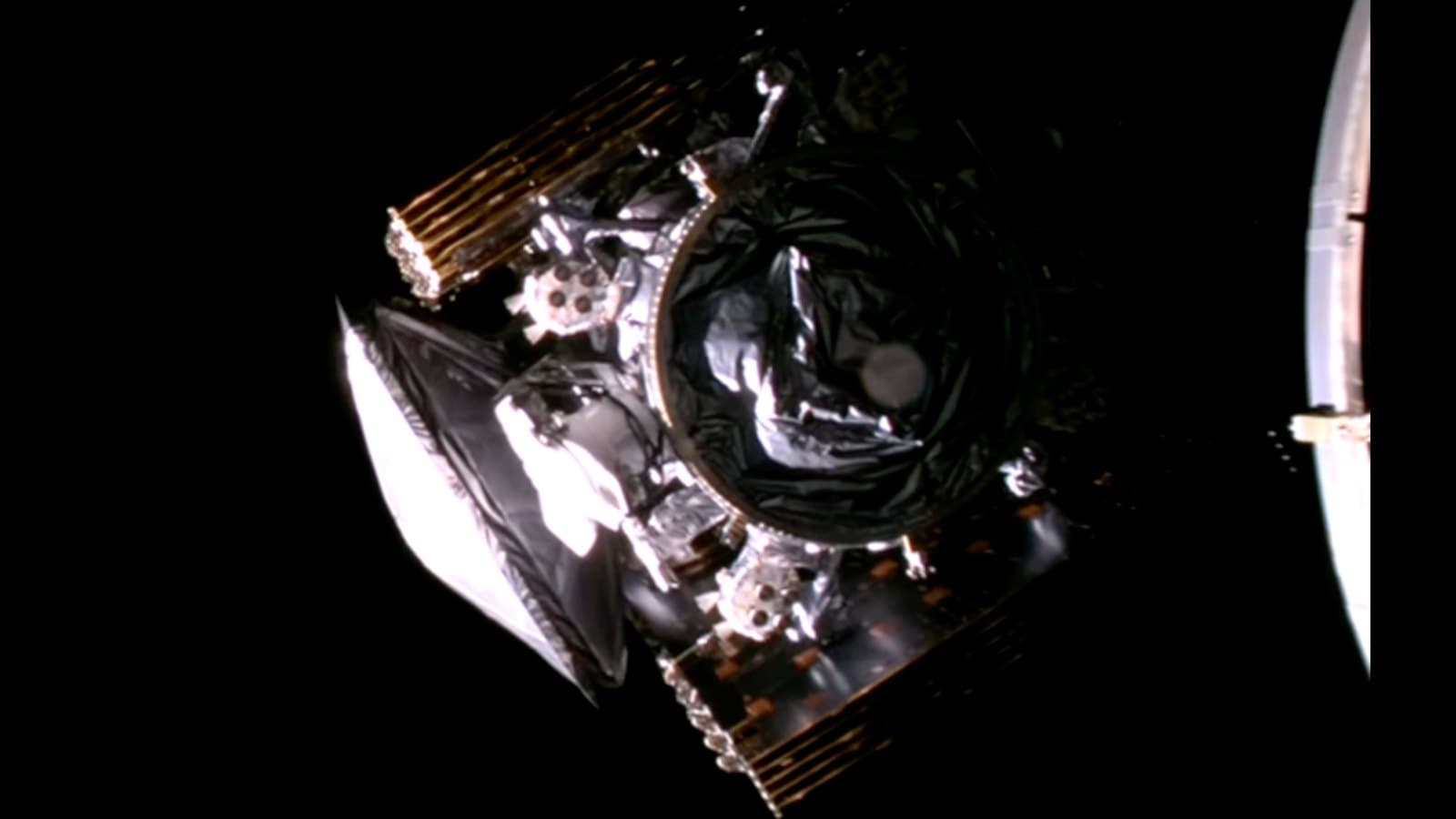
Why patience matters
Some missions change the roadmap years after launch.
Crewed flights and internet constellations produce fast public feedback. Outer-planet probes, Mars sample plans, and space observatories move differently: they spend years in build, cruise, calibration, or data analysis before the payoff becomes visible.
That slower rhythm is still progress. The right question is whether the mission is protecting the next scientific or operational decision: where to land, what to sample, how to observe, how to maintain a station, or how to serve customers without making orbit harder to use.
What to watch
Real mission progress usually looks practical first.
The strongest updates move hardware, people, services, or data into a more useful state. That can be less dramatic than a launch, but it is often more important.
Moon campaign
Artemis mission definitions, lander tests, Gateway sequencing, suits, rovers, and commercial cargo determine whether lunar return becomes repeatable.
Mars samples
Rovers, orbiters, sample-return redesigns, and international Mars missions show what Mars can teach before human settlement plans become hardware.
Ocean worlds
Europa, Ganymede, Callisto, and Titan missions reward patience: cruise health, gravity assists, arrival, instruments, and data releases all matter.
Low Earth orbit
The ISS transition depends on crew and cargo transport, private station certification, real customers, safety approvals, and end-of-life planning.
Orbital networks
Satellite internet is mature enough to serve customers and large enough to make launch cadence, spectrum, astronomy, debris, and replenishment central.
Next steps
Keep the roadmap in view
Get major space updates, set launch reminder interest, or keep exploring the Roadmap that turns space progress into a readable system.