
 Your Guide to Space
Mission
Commercial & International Moon Missions
Commercial landers, international lunar missions, and non-Artemis Moon programs show whether the Moon race is becoming broader than one NASA campaign.
CLPS landing outcomes, Chang'e and Chandrayaan follow-ons, south-pole payloads, commercial lander reliability, resource prospecting, and lunar navigation/communications work

Why it matters
The Moon story is broader than Artemis.
Commercial and international Moon missions show whether lunar access is becoming a repeatable activity across providers and nations, not only a NASA crew-return campaign.
CLPS has already produced both hard lessons and operational success. Firefly's Blue Ghost makes commercial surface operations concrete, Chandrayaan-3 made India a lunar soft-landing power, and Chang'e missions keep China central to sample-return and far-side science.
The durable signal is whether delivery, instruments, communications, landing safety, and surface work become dependable enough for later missions to build on.
The pieces in play
These missions show different ways lunar capability is growing.
NASA CLPS tests whether the agency can buy lunar delivery as a service, while Firefly, Intuitive Machines, Astrobotic, and other landers expose the real reliability curve.
Chandrayaan and Chang'e matter because the Moon is now multipolar. Their successes change the diplomatic, scientific, and operational context around the south pole, far side, samples, and norms.
NASA CLPS deliveries
CLPS now has real lunar landing attempts, including both successes and failures.
CLPS tests whether NASA can buy lunar payload delivery as a repeatable service instead of building every lander itself.
Firefly Blue Ghost and follow-on commercial landers
Blue Ghost-style commercial landers have made surface operations a practical comparison point.
Blue Ghost-style landers turn commercial lunar delivery into surface operations that can be compared mission by mission.
Chandrayaan and Chang'e lunar science
Chandrayaan and Chang'e keep India and China key to the current lunar story.
Chandrayaan and Chang'e keep the Moon story multipolar, with India and China demonstrating capabilities outside Artemis.
Blue Moon cargo and lander demonstrations
Blue Moon cargo and other lander demonstrations are still hardware-readiness stories before recurring delivery.
Blue Moon cargo and other lander demonstrations show whether non-crew infrastructure can move from chambers to flight.
South-pole payloads, resource measurements, and lunar navigation concepts
South-pole payloads are moving from science interest toward the infrastructure questions Artemis also depends on.
South-pole payloads separate resource measurements from the harder problem of usable surface infrastructure.
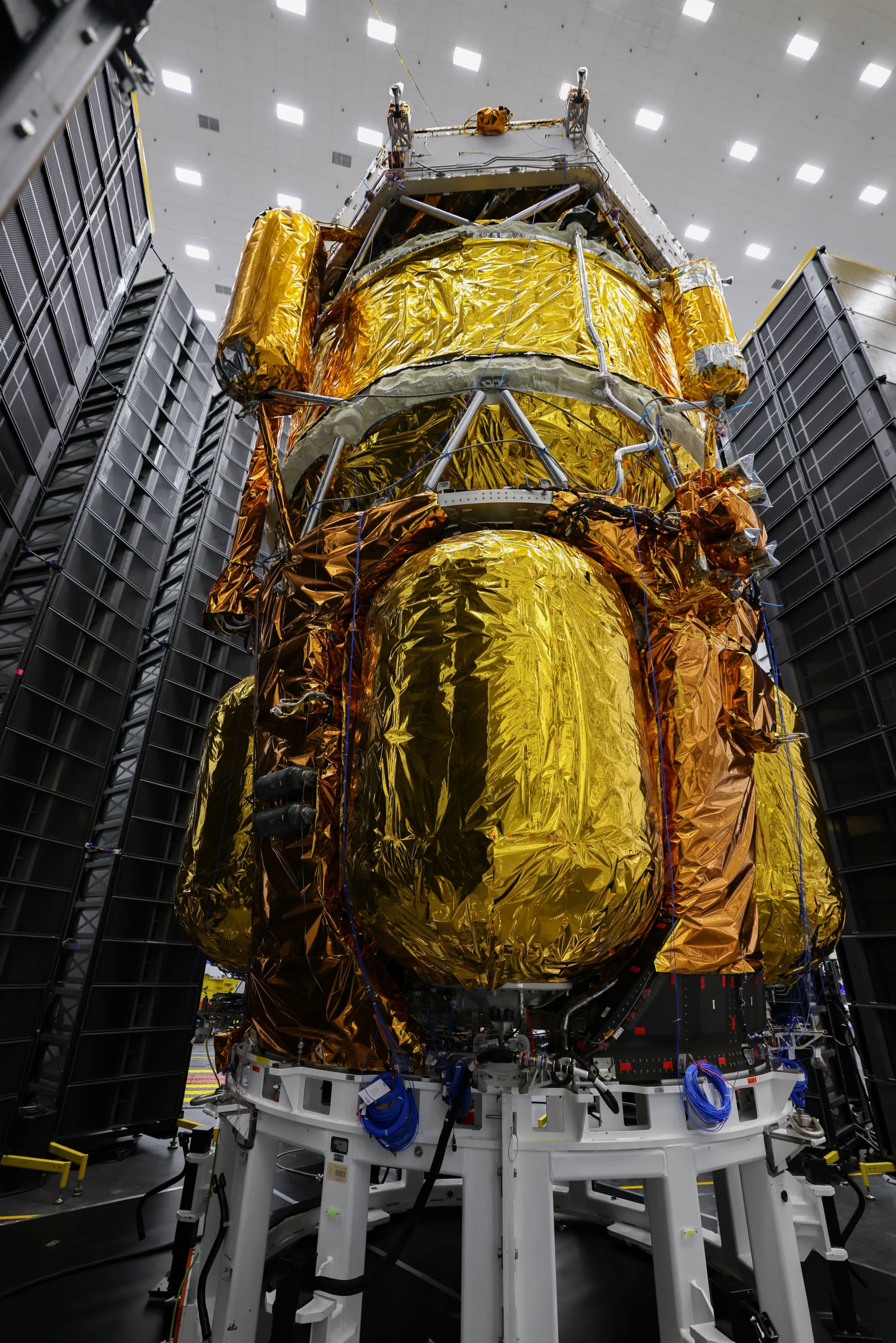
What the image shows
Commercial landers make the wider Moon race tangible.
A lander on the surface shows what is changing: companies and national programs are no longer only planning Moon missions from Earth. They are testing how to deliver instruments, survive the surface, return data, and learn from both success and failure.
Already real
Commercial lunar delivery has moved from contract to surface work.
The record is uneven, which is exactly why it is useful. Successful operations and failed landings both teach readers what is hard: navigation, touchdown, power, thermal survival, payload operations, and data return.
Commercial lunar delivery has moved beyond award announcements into real landing attempts and at least one successful CLPS surface operation.
India and China have demonstrated lunar surface and sample-return capability outside the U.S.-led Artemis frame.
The Moon's south pole and far side now matter as operating environments, not only as historical destinations.
Still to prove
The open question is repeatability, not attention.
A few lunar attempts do not yet make a lunar delivery economy. The next phase has to show that payload customers, lander teams, communications, resource measurements, and landing rules can support more than isolated missions.
- 01Can commercial landers make delivery repeatable rather than occasional?
- 02Which south-pole resource claims become measured, accessible engineering facts?
- 03Will international missions converge on compatible communications, landing safety, and science standards?
Worth watching
Watch for landers and nations turning one success into a pattern.
A meaningful update should make surface delivery more dependable, add a credible lunar capability outside Artemis, or clarify how countries and companies will operate near valuable lunar regions.