
 Your Guide to Space
Guide
The Moon needs services before it can become a workplace.
Lunar infrastructure is the stack that turns a landing site into a place where crews and robots can work: power, communications, navigation, mobility, cargo, thermal control, habitats, landing zones, and maintenance.
A lander is a visit. Infrastructure is what makes the next visit less fragile.
Sources reviewed June 2026
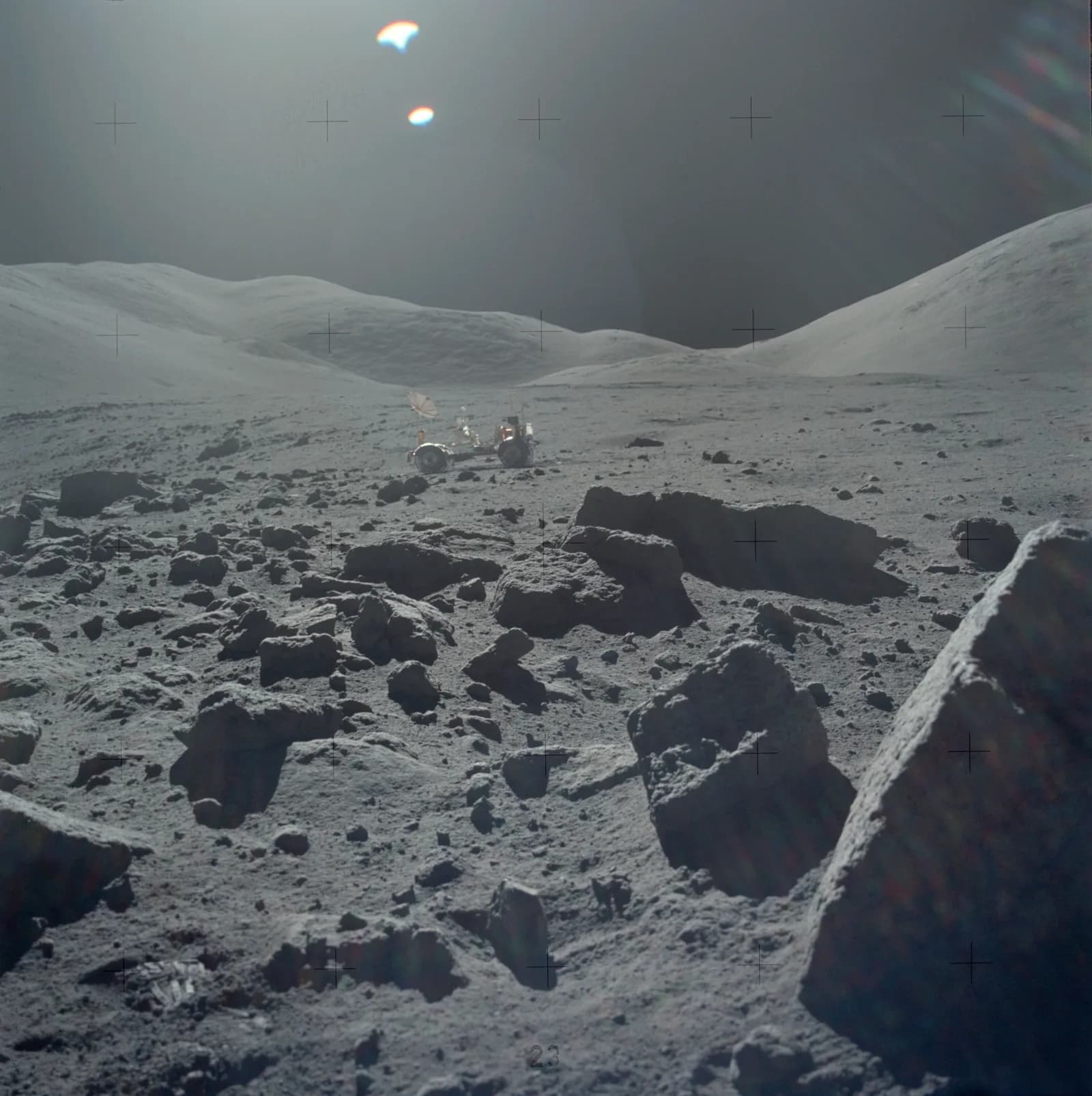
Surface systems
Every missing service becomes a mission dependency.
On Earth, field work assumes roads, weather data, power, navigation, rescue, communications, tools, and supply chains. On the Moon, nearly all of that has to be brought, built, tested, or worked around.
That is why lunar infrastructure sounds less dramatic than landings but matters more for sustained presence. Power decides survival. Communications decide where missions can work. Mobility decides how much science and maintenance is possible.
Resource use belongs in this frame too. Water ice is promising, but detecting it, accessing it, extracting it, processing it, storing it, and using it in a mission are separate milestones.
What has to exist
The surface stack has three practical layers.
Survive the site
A useful lunar site needs power that survives darkness, thermal systems that handle extreme swings, dust-tolerant mechanisms, predictable landing zones, and enough environmental margin for hardware to keep working after the first photo.
Move and communicate
Rovers, relay links, navigation, mapping, tools, and rescue planning determine whether crews and robots can leave the lander, reach valuable terrain, send data home, and return safely when a task runs long.
Resupply and maintain
Cargo landers, spare parts, common interfaces, maintenance procedures, and repeat deliveries decide whether each mission leaves the next one with more capability instead of a fresh collection of one-off hardware.
Repeat operations
Infrastructure is proven by making later missions easier.
A lunar service matters when it survives the environment, supports another system, transfers lessons forward, and reduces the burden on the next cargo or crew mission.
The public roadmap has many selected or studied pieces, but sustained lunar operations need integrated proof rather than isolated demos.
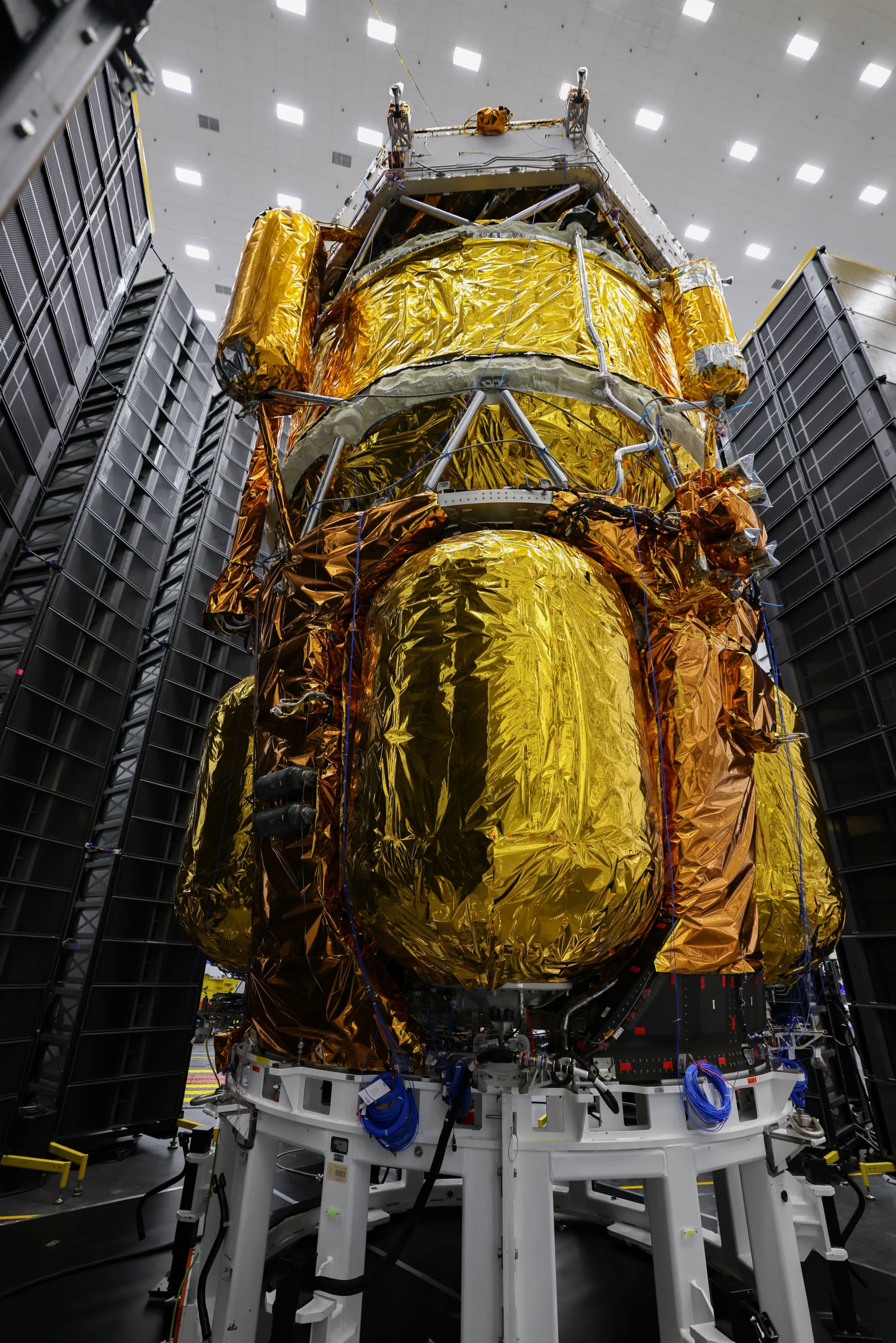
Why Artemis depends on it
Lunar delivery has to become a service layer.
Commercial landers can deliver cargo, experiments, tools, and eventually larger surface systems, but they only become infrastructure when they survive, return data, support another mission, and repeat.
Follow lander reliability, payload survival, landing precision, cargo handling, power, rovers, communications, navigation, and maintenance. They are the difference between footprints and a usable field system.
How progress becomes visible
Look for systems that work together on the surface.
The best updates connect landers, power, comms, navigation, rovers, payload survival, cargo, and lunar-night endurance instead of treating each hardware award as a separate victory.
LTV development
Surface power demonstrations
Communications and navigation decisions
CLPS payload survival
Landing precision and plume/debris lessons
Common traps
These shortcuts make the story less accurate.
Lunar Infrastructure headlines can make one milestone sound like a finished system. These distinctions keep the update tied to what was actually demonstrated, decided, or still missing.
A lander alone is not infrastructure.
Resource use is not solved by detecting ice.
A rover is not only transportation; it changes science and rescue options.
Next steps
Keep the roadmap in view
Get major space updates, set launch reminder interest, or keep exploring the Roadmap that turns space progress into a readable system.