
 Your Guide to Space
Agency profile
CNSA makes Moon-to-Mars progress multipolar.
China's civil-space agency is a central source for lunar and planetary missions, commercial-space rules, and international cooperation. The wider Chinese space ecosystem also includes a separate human-spaceflight office that keeps Tiangong in the roadmap conversation.
Separate achieved missions from future architecture. Chang'e and Tianwen give the strongest proof; station cadence belongs to CMSE sources; ILRS and Mars sample-return plans still need hardware, launches, and partner detail.
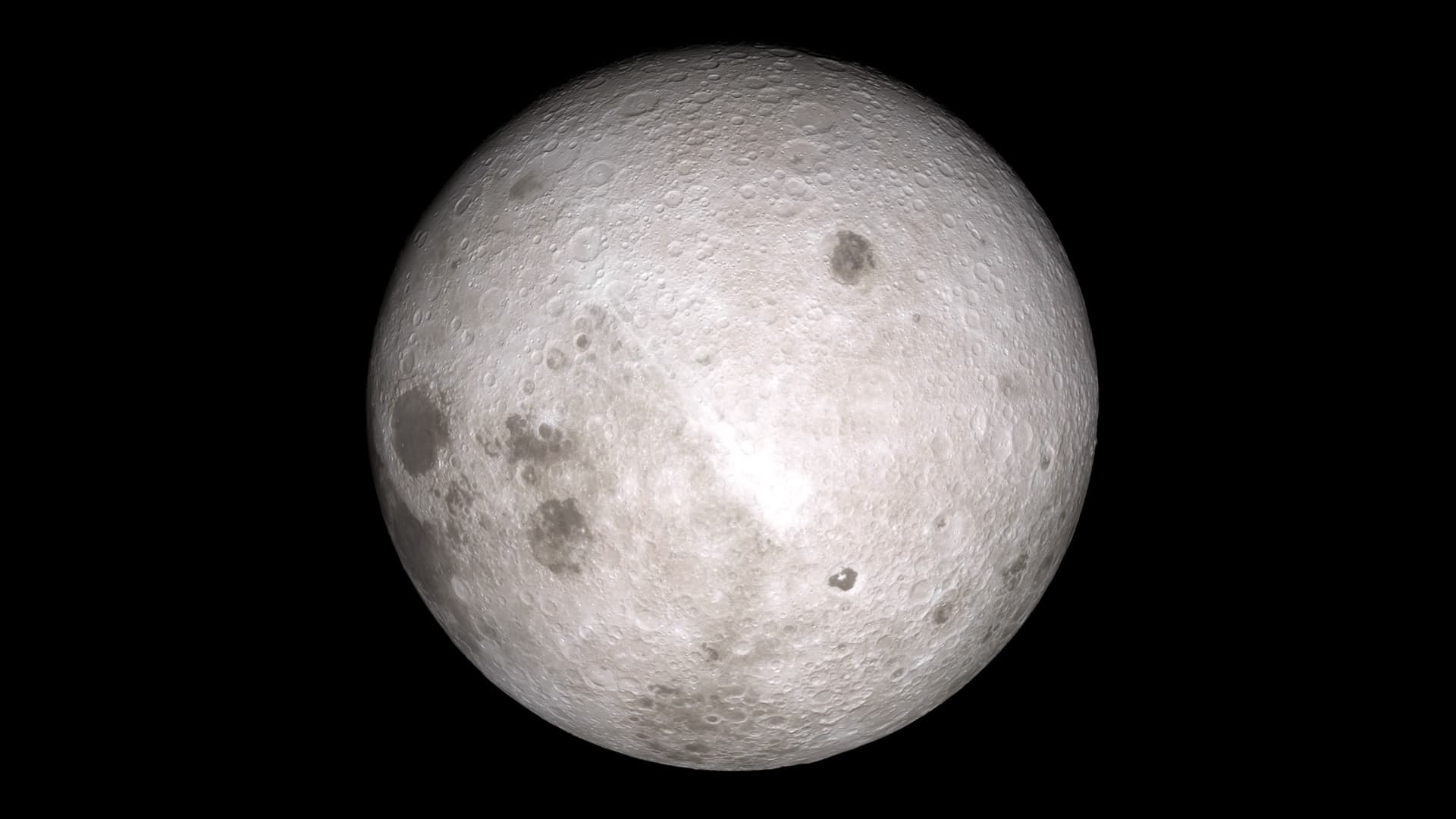
Chang'e-6 turned China's lunar program into a concrete science actor by returning samples from terrain no other nation had sampled.
The next layer is harder: surface infrastructure, partner roles, Tianwen sample-return steps, and source detail that moves targets into hardware evidence.
CNSA matters because NASA, ESA, ISRO, JAXA, and commercial firms now plan against a world where China is also returning samples, flying stations, and writing standards.
Why it matters
China changes the scoreboard from ambition to evidence.
CNSA matters because the space story is no longer a mostly U.S.-and-Europe affair. China has returned lunar samples, landed on Mars, and supports a broad national program — launch sites, relay satellites, and a crewed station reported through a separate human-spaceflight office.
Read it through demonstrated hardware: the Chang'e missions made the Moon a live science and geopolitics surface, Tianwen put China into planetary exploration, and the Tiangong station shows sustained human operations. It is the essential comparator for where global spaceflight is going.
Active programs
CNSA connects samples, planets, policy, and station context.
Chang'e is the lunar evidence lane, with far-side sample return its most important recent proof. Tianwen is the planetary lane — a proven Mars orbiter, lander, and rover, now extending toward asteroids. The Tiangong station is the human-spaceflight context, with regular Shenzhou crews and Tianzhou cargo.
The planned lunar research station and China's growing commercial-launch sector are the infrastructure and policy lanes to watch.
Current status
Recent proof is real; future infrastructure remains target-driven.
China's proof is deepest in lunar and planetary exploration. Chang'e-6 landed on the far side, collected samples, and brought them home — turning lunar exploration into science infrastructure. Tianwen-2 launched in 2025 toward asteroid sample return.
Human spaceflight runs through the China Manned Space office rather than CNSA alone, keeping the Tiangong station and Shenzhou crews flying. The forward-looking plans — a lunar research station, future Chang'e and Mars sample missions — are still watch items until hardware and partners firm up.
Watch points
Hardware results that change China's roadmap position.
Watch the next Chang'e missions and any lunar-research-station hardware that moves from plan to integration. Watch Tianwen-2's asteroid work and whether Tianwen-3 Mars sample return firms up.
Watch the Tiangong crew cadence for context, and watch source quality — a major update lands harder when it comes with dates, vehicles, and payloads in official records, not just broad coverage of future goals.
How it got here
Chang'e-6 returned samples from the lunar far side, making China a key lunar-science actor rather than only a future lunar-base planner.
Tianwen-2 launched in 2025 toward asteroid sample return and a later main-belt comet objective.
China Space Station crewed cadence gives China's space program a sustained human-spaceflight layer, even though that work is reported by CMSE rather than CNSA alone.
CNSA's Commercial Space Standards System 1.0 shows that China's private and state-linked commercial activity is moving into formal rules, not only launch announcements.
Keep exploring
How Rocket Launches Work
How Rocket Launches Work: A countdown-to-orbit guide that explains weather, fueling, max Q, staging, fairings, orbit insertion, payload deployment, and scrub logic.
Reusable Rockets
Why Reusable Rockets Matter: A guide to booster reuse, ship reuse, refurbishment, launch cadence, cost evidence, and why landing is only one part of reusability.
Why the Moon Matters
Why the Moon Matters: A guide to why lunar missions matter for technology, science, geopolitics, operations, resources, and Mars preparation.
Artemis Explained
Artemis Explained: A guide to SLS, Orion, Gateway, Human Landing System, spacesuits, surface logistics, and how the Artemis missions build on each other.
Commercial Space Stations
Commercial Space Stations: A guide to why post-ISS stations are being built, who is building them, who might pay, and what has to work before they become real infrastructure.
Next steps
Keep the roadmap in view
Get major space updates, set launch reminder interest, or keep exploring the Roadmap that turns space progress into a readable system.