
 Your Guide to Space
Guide
Artemis is a campaign, not a single Moon landing.
Artemis combines SLS, Orion, Gateway, commercial landers, spacesuits, ground systems, CLPS, surface mobility, international partners, and science. The hard part is making those systems arrive in the right order.
Artemis is NASA's return-to-the-Moon campaign: crew transport, lunar landers, surface suits, Gateway, cargo deliveries, rovers, power, communications, and science have to work as one system.
Sources reviewed June 2026
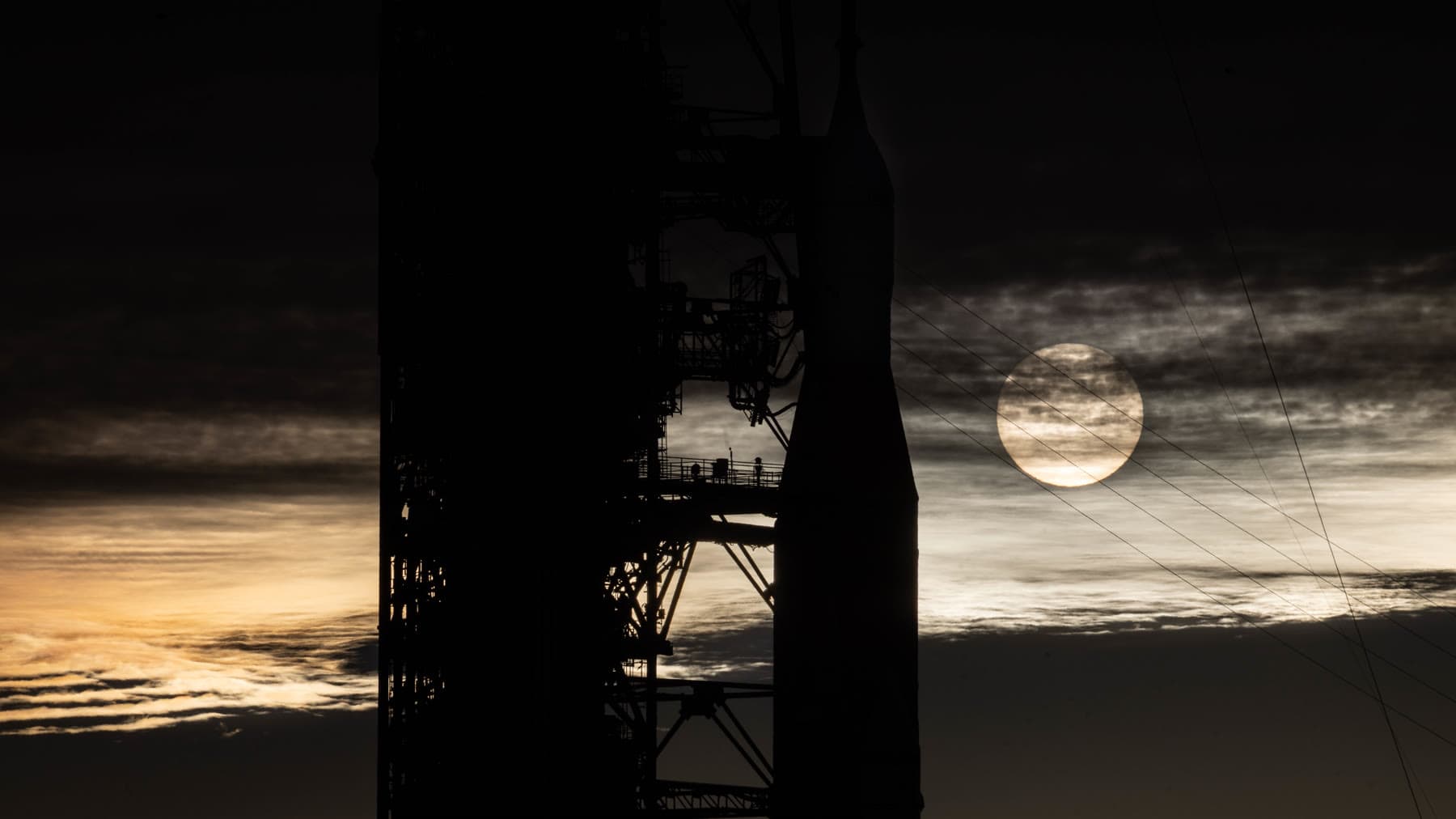
Moon-to-Mars
The program is bigger than SLS and Orion.
SLS and Orion make Artemis visible on launch day, but the campaign is meant to rebuild the full chain of human lunar exploration. NASA needs crew transport, landers, suits, Gateway, cargo deliveries, surface power, mobility, communications, ground operations, international roles, and science plans to mature together.
Artemis I proved the uncrewed SLS and Orion lunar flight. Artemis II carried astronauts around the Moon. NASA's current Artemis III plan shifts the next crewed step into low Earth orbit, where astronauts can test critical landing-system rendezvous and docking work before a later surface return.
That does not make Artemis smaller. It makes the program more explicit: the Moon landing depends on hardware interfaces, mission rules, rescue options, and commercial systems being ready at the same time.
Mission sequence
Each Artemis mission adds a piece of the return path.
The campaign is easiest to understand as a series of flights that move from crew transport to landing-system readiness and then back toward surface operations.
Uncrewed lunar flight
SLS and Orion flew around the Moon without crew, proving the first integrated deep-space flight of the new launch and spacecraft system.
Crewed lunar flyby
The first crewed Artemis flight launched April 1, 2026 and splashed down April 10 after sending astronauts around the Moon and returning them safely to Earth.
2027 crewed demonstration
NASA now describes Artemis III as a 2027 low-Earth-orbit demonstration of critical systems needed for future landings, including human-landing-system rendezvous and docking work.
Return to surface operations
The next surface-return path depends on the lander, Gateway, docking procedures, suits, mission rules, and crew operations reaching readiness together.
Program layers
Artemis has three public jobs.
Prove deep-space crew transport
SLS, Orion, ground systems, recovery, mission control, and crew procedures have to work before surface operations matter.
Integrate commercial systems
Human Landing System, suits, rovers, cargo, and CLPS deliveries move crucial work outside a single NASA-owned stack.
Leave repeatable capability
The lasting value is not a photo. It is safer procedures, working interfaces, infrastructure, science access, and lessons for the next mission.
What progress looks like
Artemis advances when connected systems become ready.
Mission definitions, lander docking tests, spacesuit readiness, Gateway sequencing, surface mobility, and CLPS results matter because they show the campaign moving from ambition toward working operations.
Artemis has real hardware and flight heritage, but landers, suits, Gateway sequencing, and surface systems remain the core watch items.
Artemis I proved uncrewed SLS/Orion lunar flight.
Artemis II is the crewed flyby pathfinder.
Artemis III is currently framed as a 2027 LEO rendezvous and docking test with commercial landers.
Later missions carry more Gateway and surface-infrastructure weight.
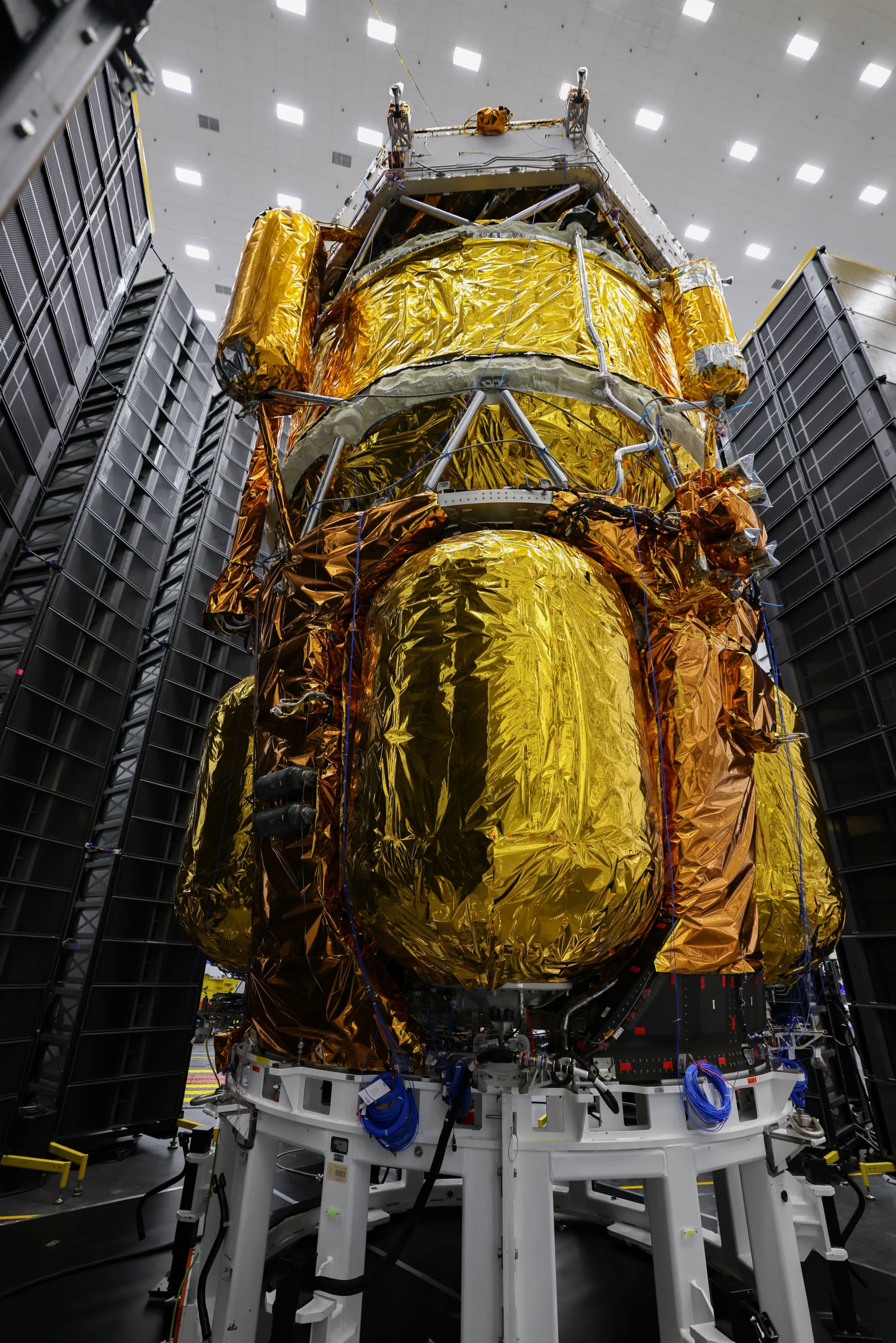
Commercial landers
The lander layer is where the architecture gets hard.
Commercial landers can add competition and specialization, but they also create integration risk. Docking, crew transfer, refueling, rescue planning, communications, and surface objectives all have to line up.
That is why Artemis should be followed as a system, not a brand. The landing architecture is only as strong as its weakest dependency.
How to follow it
Watch the interfaces between systems.
The most useful Artemis updates explain how SLS, Orion, Gateway, HLS, suits, rovers, CLPS, ground systems, and international contributions fit together.
Artemis II lessons
HLS docking and refueling tests
Spacesuit readiness
Gateway module movement
Surface mobility and power decisions
Common traps
These shortcuts make the story less accurate.
Artemis Explained headlines can make one milestone sound like a finished system. These distinctions keep the update tied to what was actually demonstrated, decided, or still missing.
Artemis is a Moon campaign built across many missions.
A lunar flyby is not a surface landing.
Commercial partners reduce some risks and create other integration risks.
Next steps
Keep the roadmap in view
Get major space updates, set launch reminder interest, or keep exploring the Roadmap that turns space progress into a readable system.