
 Your Guide to Space
Guide
Commercial stations are a transition plan, not a guaranteed market.
Private low Earth orbit destinations could take over some ISS-era work, but they still need certified hardware, transportation, customers, safety systems, financing, operations, and a clear bridge from the ISS.
Ask what is hardware, what is funded development, what is a NASA requirement, what is a customer commitment, and what is still a business-case assumption.
Sources reviewed June 2026
Post-ISS question
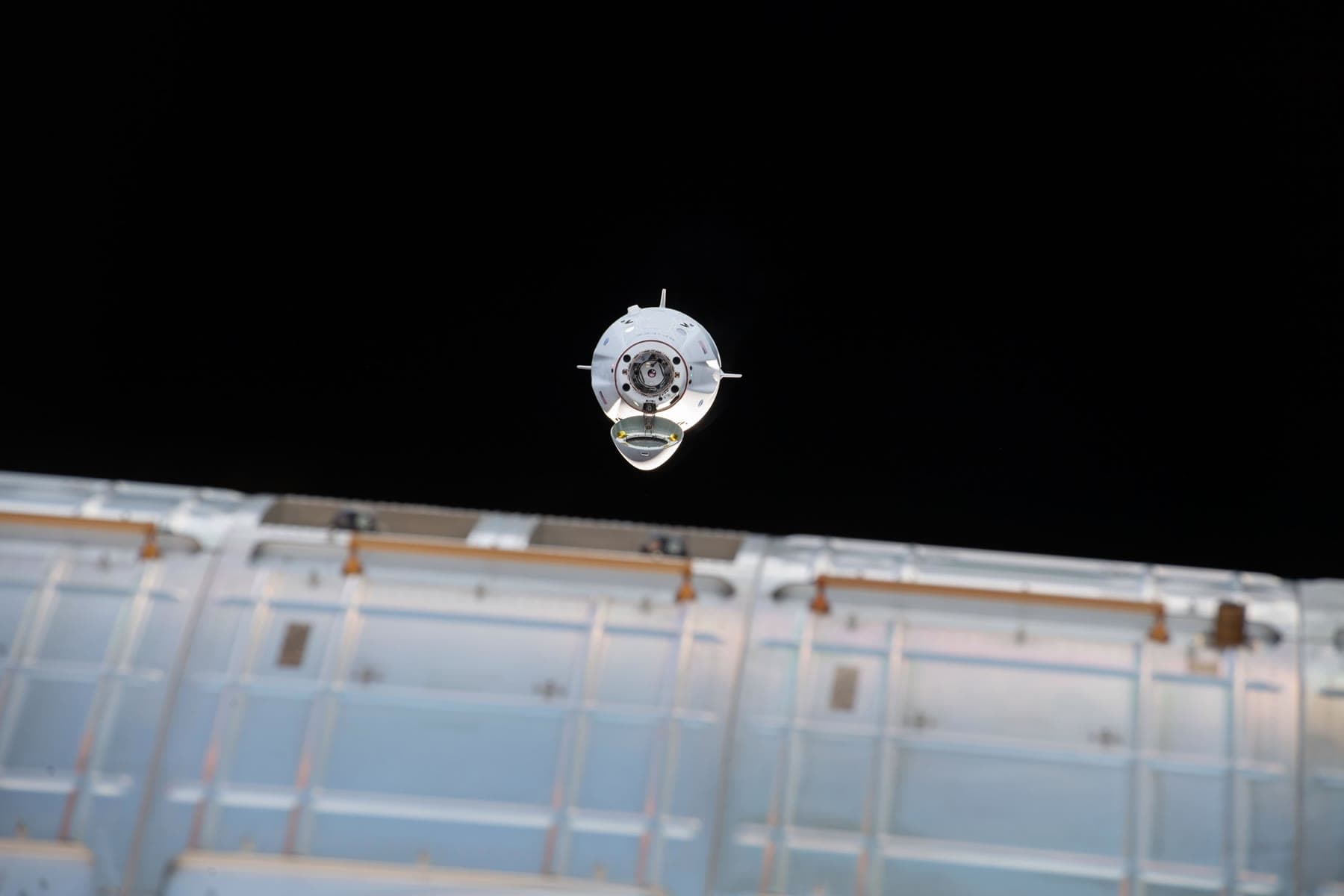
A station market has to replace more than a building in orbit.
The ISS is not just a place. It is transportation, crew training, cargo, mission control, safety rules, research demand, international operations, debris avoidance, emergency procedures, and years of accumulated know-how.
Commercial stations matter because NASA wants to buy low Earth orbit services rather than own every future platform. That could free agency attention for the Moon and Mars while preserving microgravity research and crewed operations in orbit.
The risk is timing and demand. A rendering does not prove a certified destination, and a destination does not prove enough customers beyond NASA to sustain a market.
Market proof
A station provider has to solve three markets at once.
The hardware market
Modules, docking systems, power, thermal control, life support, attitude control, and crew systems must be built and launched.
The service market
Research, manufacturing tests, private astronauts, media, national users, and NASA service purchases have to become repeat customers.
The transition market
ISS retirement timing, certification, crew and cargo transport, emergency procedures, and disposal plans have to converge.
What counts
Station progress looks like integration, not renderings.
The strongest updates show modules in test, service contracts, customer commitments, transportation plans, life-support proof, certification movement, and NASA transition decisions.
NASA is still shaping the next commercial station phase. No full ISS successor is certified and operating yet.
Axiom starts from an ISS-attached module path.
Starlab and Orbital Reef are free-flyer destination concepts.
Vast's Haven path is a private-station demonstrator to watch.
Sierra Space matters through Dream Chaser and habitat systems.
Why certification matters
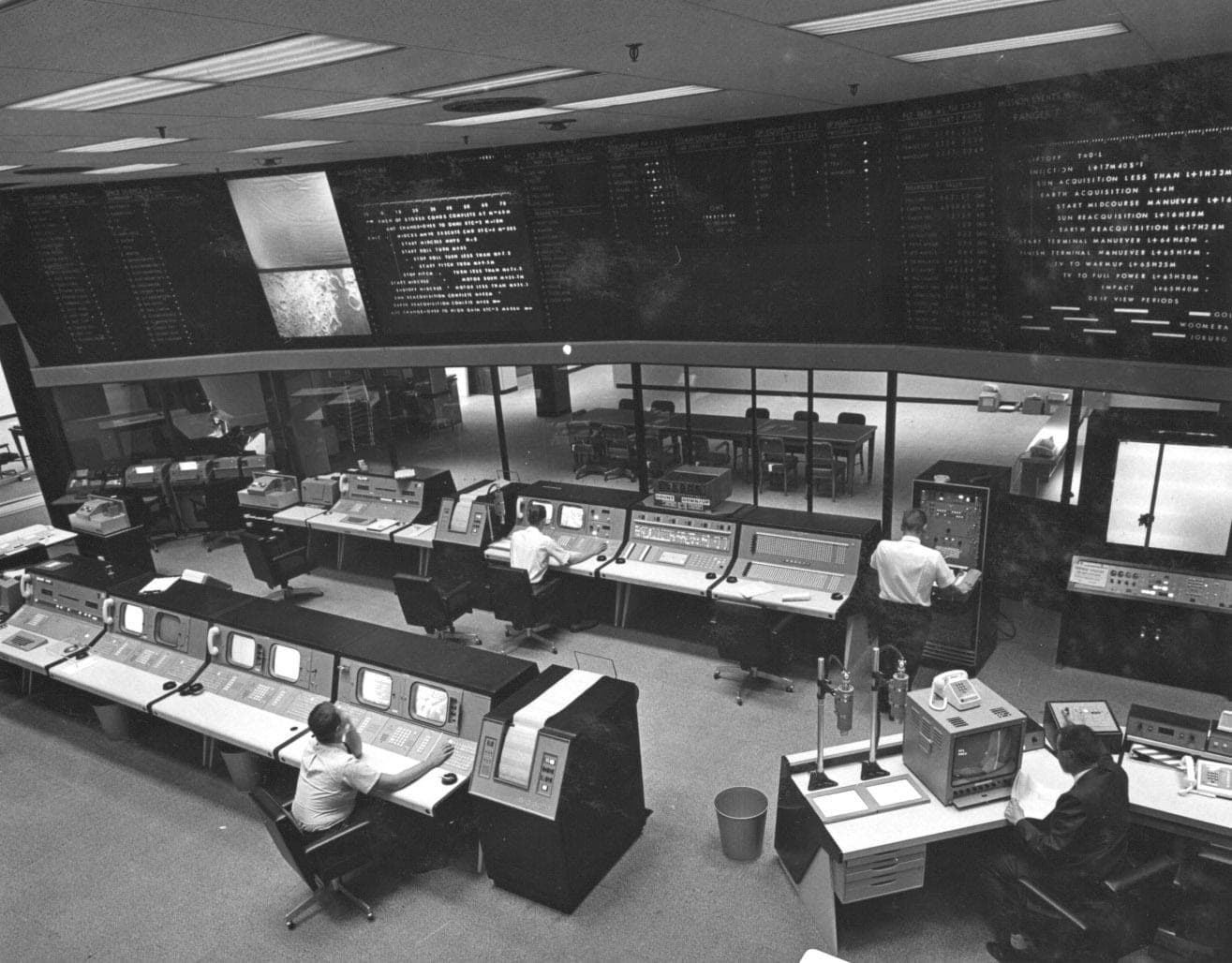
A crewed destination is an operations system.
The public often sees station concepts as real estate in orbit. The more important story is operations: who flies, who maintains it, who pays, who responds to emergencies, and who certifies the risk.
That is why commercial stations are one of the cleanest tests of whether out-of-this-world industries can move from procurement to repeat service.
How to follow it
Follow NASA transition pressure and customer evidence together.
The best station updates connect NASA procurement, ISS transition timing, module hardware, transport contracts, anchor customers, safety certification, and disposal planning.
NASA Phase 2 actions
Station module hardware
Crew and cargo transport contracts
Life-support and safety certification
Customers beyond NASA
Common traps
These shortcuts make the story less accurate.
Commercial Space Stations headlines can make one milestone sound like a finished system. These distinctions keep the update tied to what was actually demonstrated, decided, or still missing.
Private astronaut missions to ISS are not the same as independent stations.
Renderings are not hardware.
NASA buying services does not mean NASA stops shaping requirements.
Next steps
Keep the roadmap in view
Get major space updates, set launch reminder interest, or keep exploring the Roadmap that turns space progress into a readable system.