
 Your Guide to Space
Guide
The in-space economy starts when space has repeat customers.
Launch and satellites are space businesses, but this guide follows paid services that happen in orbit or beyond: stations, servicing, refueling, inspection, cargo transfer, tourism, hosted payloads, manufacturing tests, and lunar logistics.
A market is stronger when a customer repeatedly pays for an operation, not when a concept deck says microgravity could be valuable.
Sources reviewed June 2026
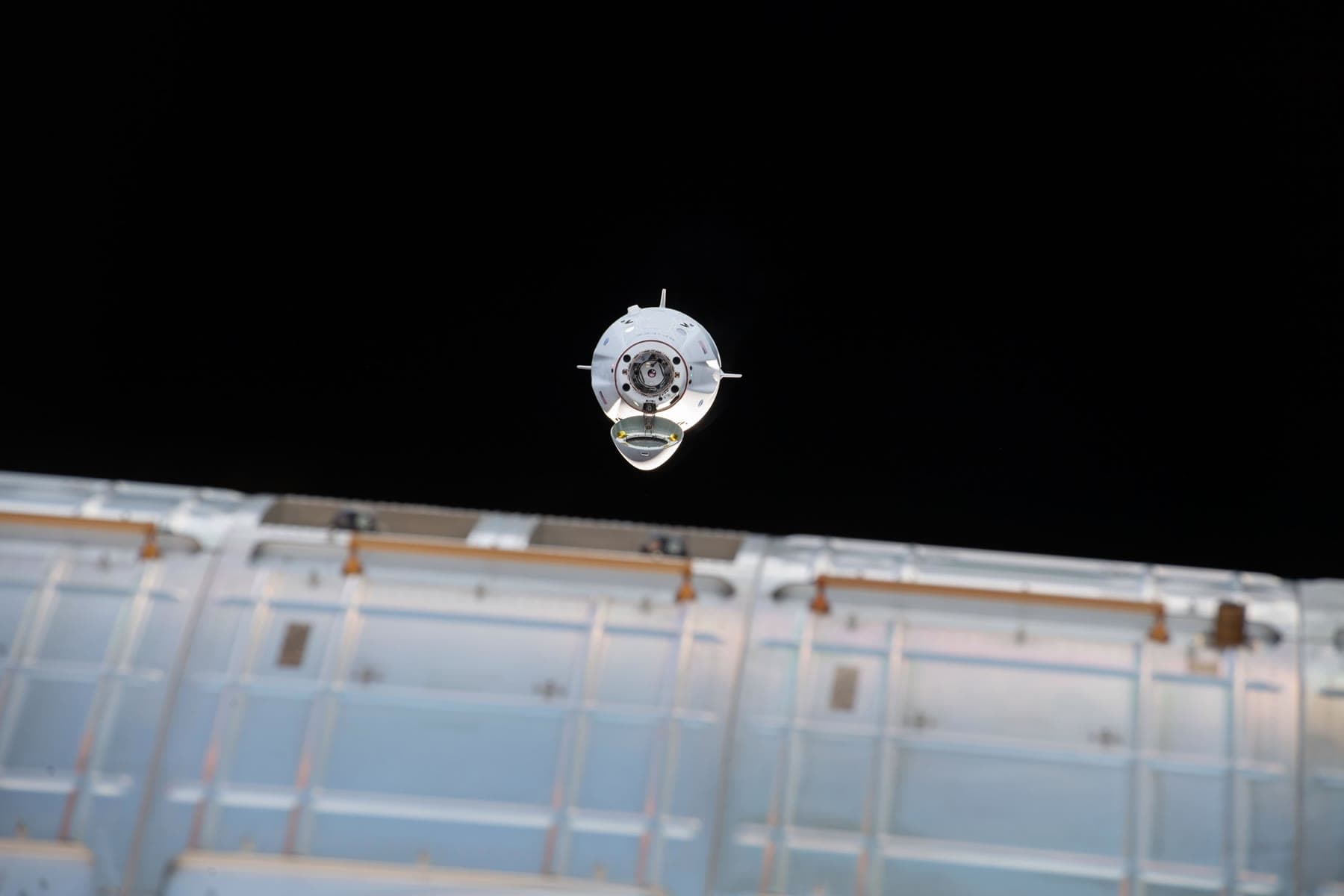
Beyond launch
Off-Earth markets are promising, but early.
The broader space economy is still dominated by Earth-facing services, government demand, ground equipment, satellites, and launch. Work that actually happens off Earth is less proven, but it is central to any future where orbital and lunar activity becomes durable.
The nearest proof lanes are commercial stations, hosted payloads, private astronaut missions, cargo return, satellite servicing, inspection, logistics, and lunar deliveries bought through public programs.
The hard part is not imagining services. It is finding repeat customers, safe operations, certification paths, return logistics, insurance confidence, and unit economics that survive after the first demonstration.
Near-term lanes
Three services are worth watching first.
Destinations
Commercial stations and private astronaut missions create places and reasons for people to work in orbit.
Logistics
Cargo transfer, downmass, hosted payloads, inspection, servicing, and tug services make spacecraft operations less disposable.
Lunar services
CLPS and future surface logistics test whether government procurement can seed a services layer beyond Earth orbit.
What counts
Customers matter more than category names.
The strongest signs are repeat contracts, station service purchases, cargo return, servicing demonstrations, refueling progress, and public evidence that customers will pay again.
Most in-space economy claims are early. Stations, servicing, and hosted payloads are the nearest real proof lanes.
Repeat customer
One mission can prove a capability. A market needs customers who return because the service changed their research, logistics, revenue, or mission options.
Operational place
Stations, lunar landers, hosted payload platforms, and servicing vehicles have to give customers somewhere reliable to send people, instruments, cargo, or hardware.
Logistics loop
Transport, docking, power, data, safety procedures, cargo return, inspection, and disposal decide whether a service can happen repeatedly instead of once.
Rules and risk
Certification, insurance, liability, debris handling, traffic coordination, and government procurement shape whether customers trust an off-Earth service.
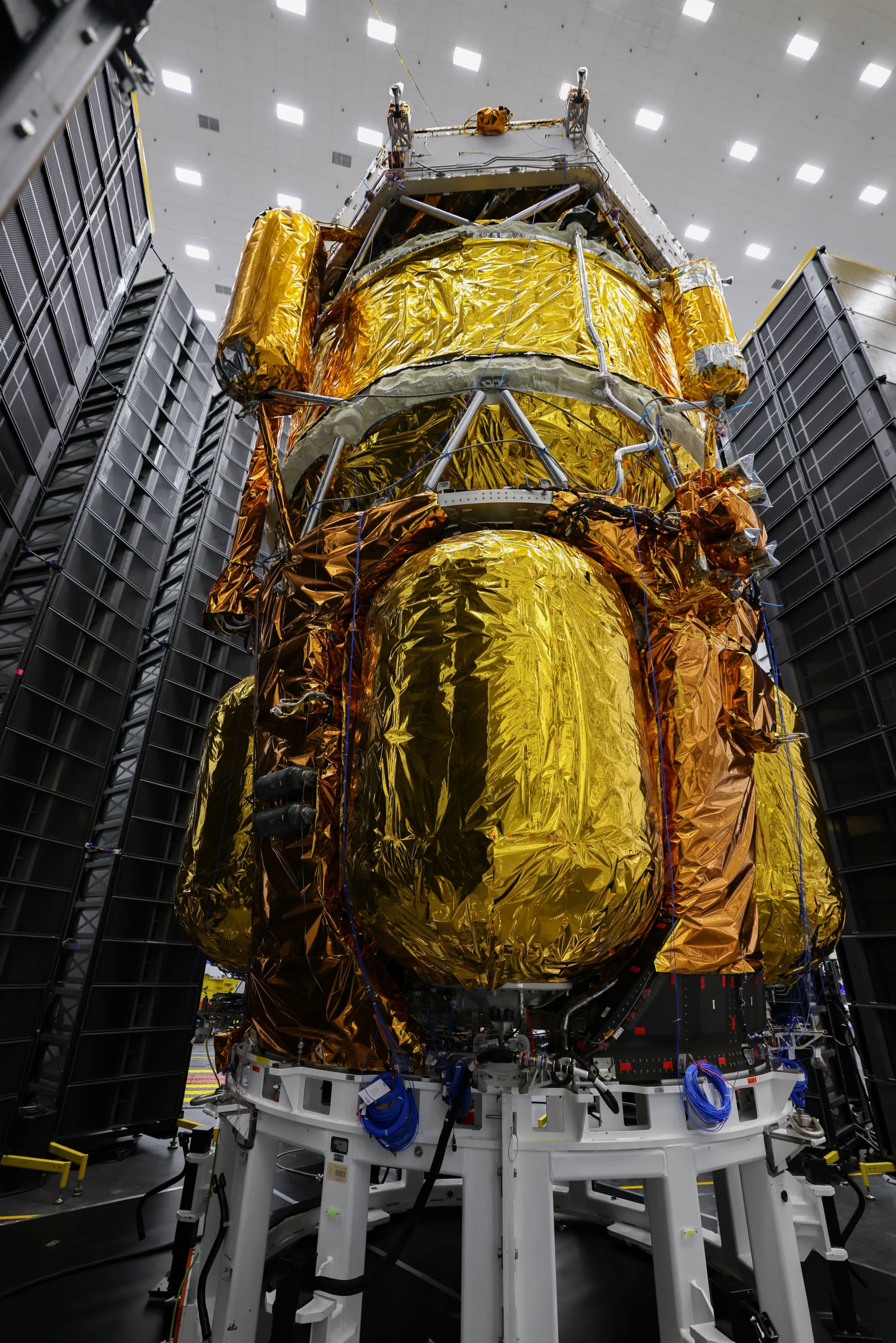
Lunar services
The Moon is a procurement test for in-space operations.
Commercial lunar delivery is not a large free market today. It is a service model being pulled forward by public customers who need payloads, experiments, cargo, and later surface infrastructure.
If that model becomes routine, it could teach off-Earth service industries how to price risk, standardize interfaces, and deliver capability without every mission being bespoke.
How to follow it
Look for repeat customers and returned value.
The best updates name the customer, the operation, the payment model, and what comes back: research data, returned cargo, life extension, station time, lunar delivery, or a repeatable service contract.
Repeat customers
Station service contracts
Servicing or refueling demonstrations
Cargo return and downmass
Unit economics rather than one-off demos
Common traps
These shortcuts make the story less accurate.
Out of this World Industries headlines can make one milestone sound like a finished system. These distinctions keep the update tied to what was actually demonstrated, decided, or still missing.
A possible market is not the same as revenue.
Microgravity manufacturing must prove product, demand, and return logistics.
Tourism alone cannot carry the whole infrastructure layer.
Next steps
Keep the roadmap in view
Get major space updates, set launch reminder interest, or keep exploring the Roadmap that turns space progress into a readable system.