
 Your Guide to Space
Guide
There is no single space referee.
Launch licensing, range safety, reentry, spectrum, remote sensing, export controls, planetary protection, debris mitigation, crew safety, and international responsibility can involve different authorities.
A mission can be technically ready and still wait on safety, spectrum, remote-sensing, reentry, debris, or international obligations.
Sources reviewed June 2026
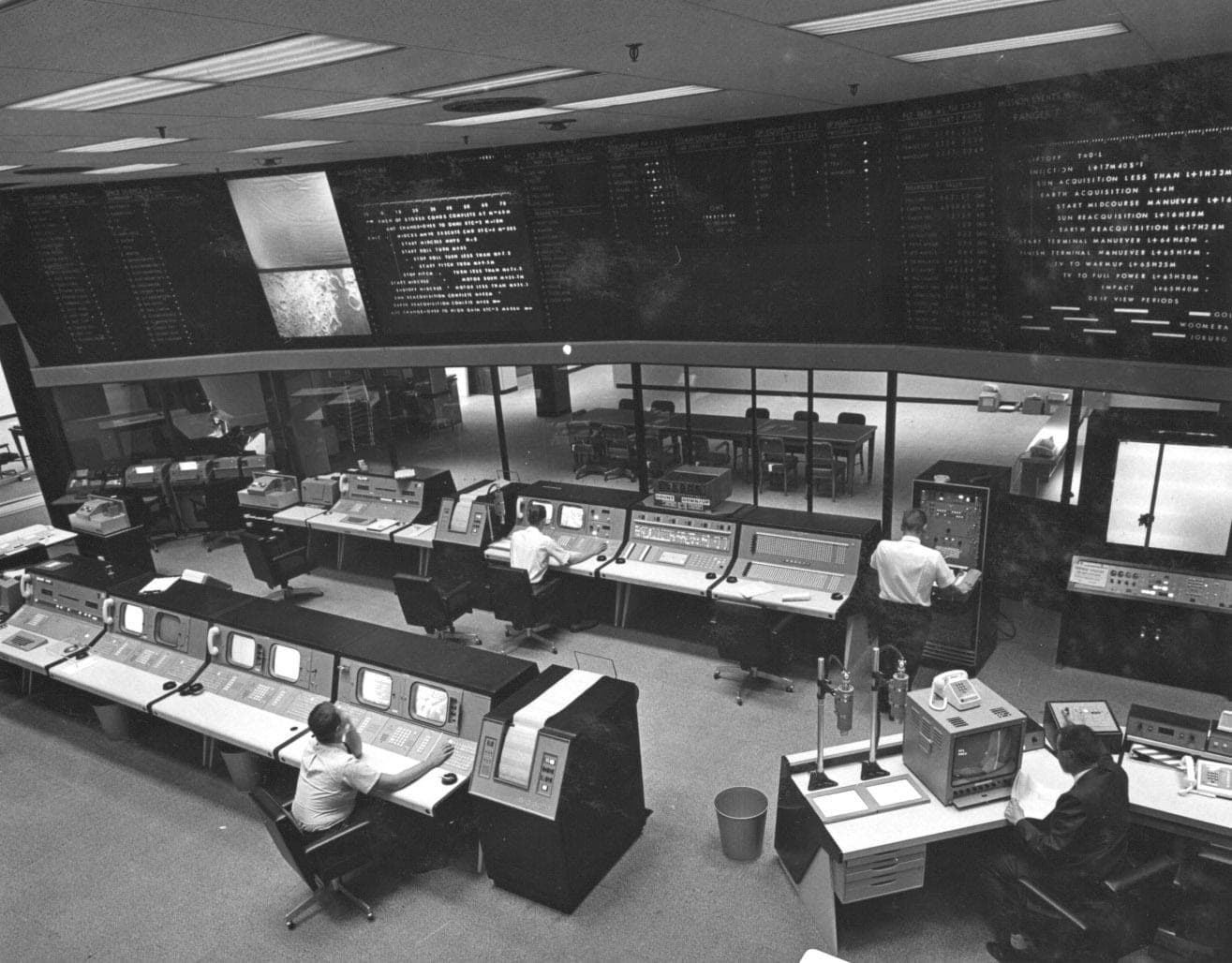
Permission to operate
Space progress depends on paperwork as well as rockets.
No single agency controls every part of a space mission. In the United States alone, commercial launches and reentries, satellite communications, remote sensing, debris conditions, safety, and exports can involve different regulators.
International law still matters because countries authorize and supervise national space activities, register objects, and carry liability responsibilities. Companies do not operate outside that framework simply because they are private.
Regulation is now a cadence issue. More launches, constellations, private human spaceflight, reentries, and lunar activity put pressure on older systems of approval and coordination.
Jurisdiction map
Three kinds of permission shape space activity.
Launch and reentry
Licensing, range safety, mishap response, environmental review, and public-risk limits decide when vehicles can fly.
Operating in orbit
Spectrum, remote sensing, debris mitigation, collision risk, station safety, and end-of-life plans decide how spacecraft operate.
International responsibility
Treaties, registration, liability, national supervision, and norms shape what countries and companies can responsibly do.
What counts
The useful story is which authority controls which risk.
Good regulation coverage identifies the agency, legal hook, decision point, safety concern, and consequence for the launch, satellite, station, or mission.
Regulation is now a launch-cadence issue because more vehicles, constellations, reentries, and human-spaceflight activities stress older processes.
Launch or reentry risk
For U.S. commercial vehicles, start with the FAA: license status, range safety, environmental review, public-risk analysis, and mishap return-to-flight conditions.
Spectrum and communications
Satellites need legal radio access. FCC actions, ITU coordination, ground stations, and constellation modifications can shape a mission as much as hardware readiness.
Sensing and orbital behavior
Remote-sensing approvals, debris mitigation, disposal plans, reentry risk, and space-traffic coordination decide how spacecraft may operate after launch.
State responsibility
International treaties make countries responsible for authorizing and supervising national space activities, even when private companies fly the hardware.
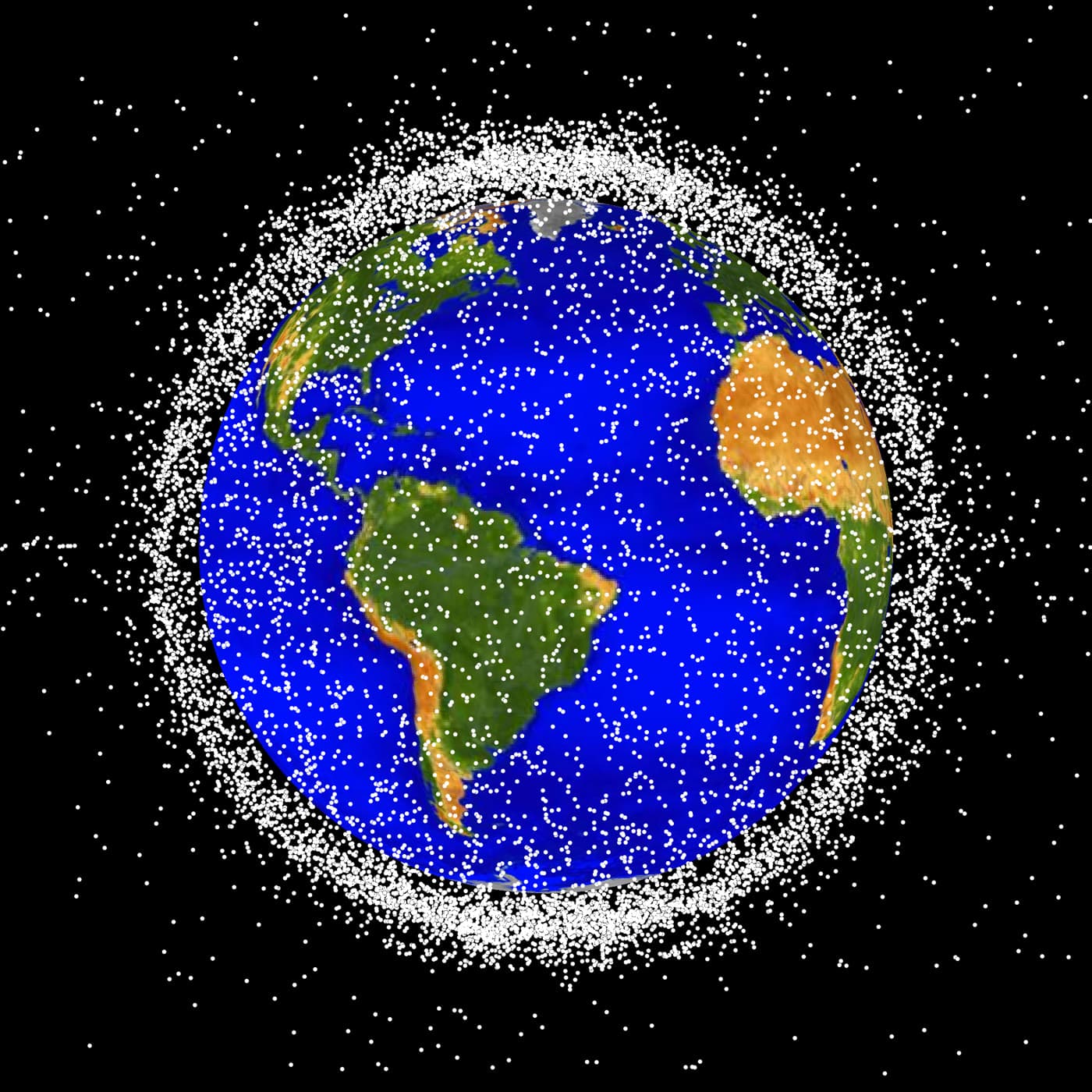
Why sustainability enters the rulebook
Orbital traffic made space policy tangible.
Spectrum, debris, remote sensing, and reentry can sound abstract until a constellation, launch license, or mishap investigation affects a real mission timeline.
That is why regulation belongs beside rockets and stations in the guide library. It is one of the systems that decides whether space activity can scale.
How to follow it
Watch decisions, not only debates.
The useful updates name an actual decision: a launch-license action, mishap investigation, FCC satellite condition, NOAA remote-sensing approval, reentry rule, debris guideline, or international coordination step.
Launch-license decisions
Mishap investigations
Spectrum fights
Debris mitigation rules
Human-spaceflight safety policy
Common traps
These shortcuts make the story less accurate.
Who Regulates Spaceflight headlines can make one milestone sound like a finished system. These distinctions keep the update tied to what was actually demonstrated, decided, or still missing.
Approval delays are not always bureaucracy; they can be safety gates.
A company cannot simply launch because the rocket is ready.
International law still matters even when companies operate missions.
Next steps
Keep the roadmap in view
Get major space updates, set launch reminder interest, or keep exploring the Roadmap that turns space progress into a readable system.