
 Your Guide to Space
Guide
Space debris is infrastructure debt in orbit.
Dead satellites, spent stages, fragments, bolts, paint flecks, and collision debris move at orbital speeds through useful traffic lanes. The risk is not only what we can track; it is also what we cannot.
Ask altitude, object size, trackability, speed, collision consequence, disposal plan, and who is responsible after the mission ends.
Sources reviewed June 2026
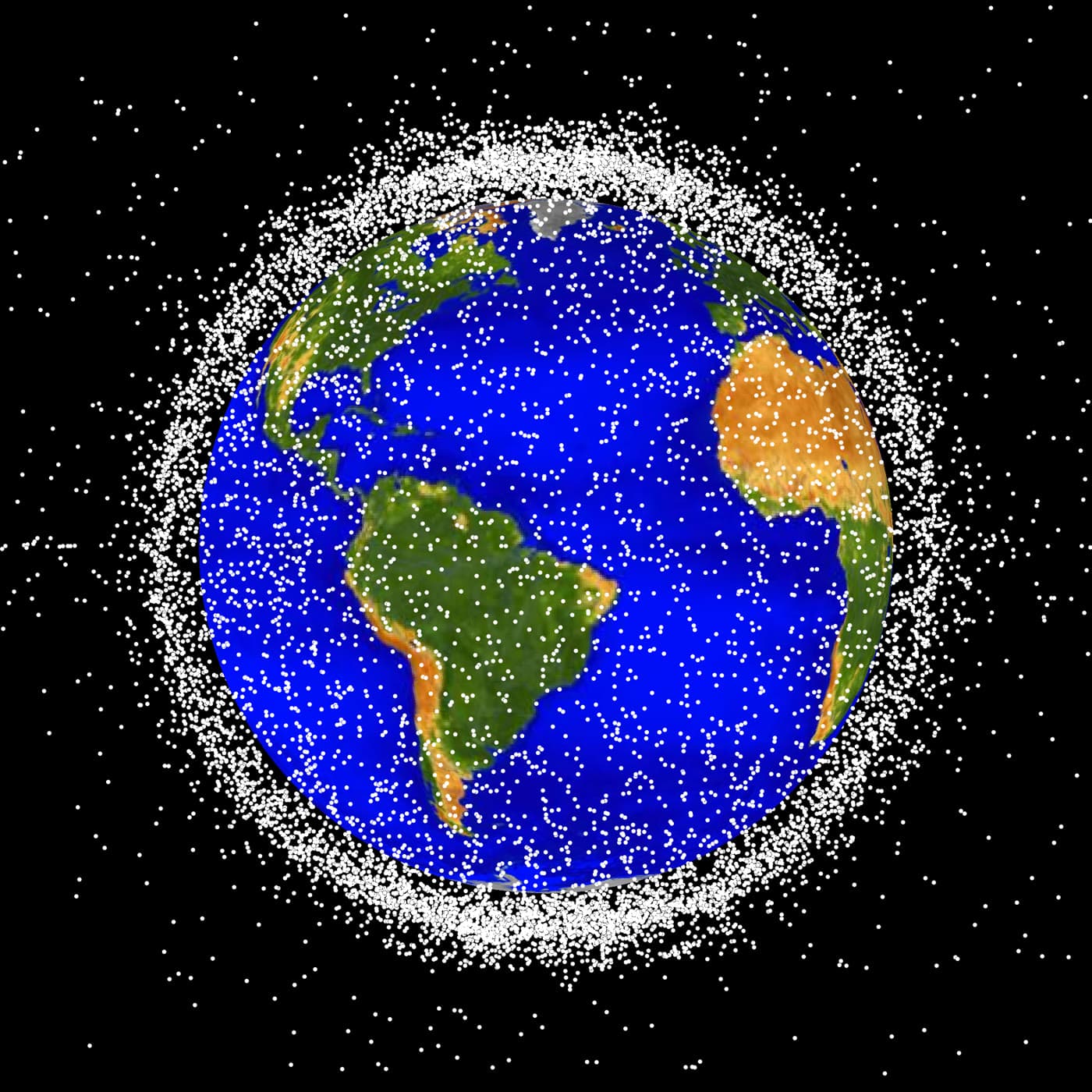
Shared orbit
Useful space is large, but useful orbits are specific.
Orbital debris is human-made material that no longer serves a purpose. The environment includes large tracked objects and smaller fragments that can still damage spacecraft because orbital speeds are so high.
Risk depends on altitude, object size, tracking quality, spacecraft design, operator behavior, avoidance capability, and whether satellites are removed after use.
Debris is already an operating constraint for stations, satellites, launch windows, and constellations. More activity makes disposal, passivation, transparency, and rules more important.
Risk layers
Debris risk has three public dimensions.
The environment
Cataloged objects, untracked fragments, altitude, orbital lifetime, and collision speed define the background risk.
The behavior
Passivation, collision avoidance, maneuver coordination, transparency, and end-of-life disposal determine how operators add or reduce risk.
The rules
National licenses, FCC disposal conditions, NASA standards, ESA reporting, and UNOOSA guidelines shape expectations.
What counts
Mitigation is stronger than cleanup rhetoric.
Active debris removal is promising, but not yet a routine market. The near-term signals are disposal compliance, avoided fragmentations, passivation, tracking, and operator transparency.
Debris is already a real operations constraint. It is not a future-only problem, and it grows with launch cadence unless disposal and coordination improve.
Size class
A debris count means little unless it says whether it covers cataloged objects, centimeter-scale fragments, millimeter particles, or modeled risk below tracking limits.
Altitude and lifetime
Low objects may decay faster; higher debris can remain for decades or longer. The same fragment means different risk in different orbital shells.
Operator behavior
Passivation, collision avoidance, maneuver transparency, disposal success, and failure rates decide whether new activity adds resilience or risk.
Rule and evidence
FCC conditions, NASA standards, ESA reporting, UNOOSA guidelines, and public disposal data matter more than broad promises to keep space sustainable.
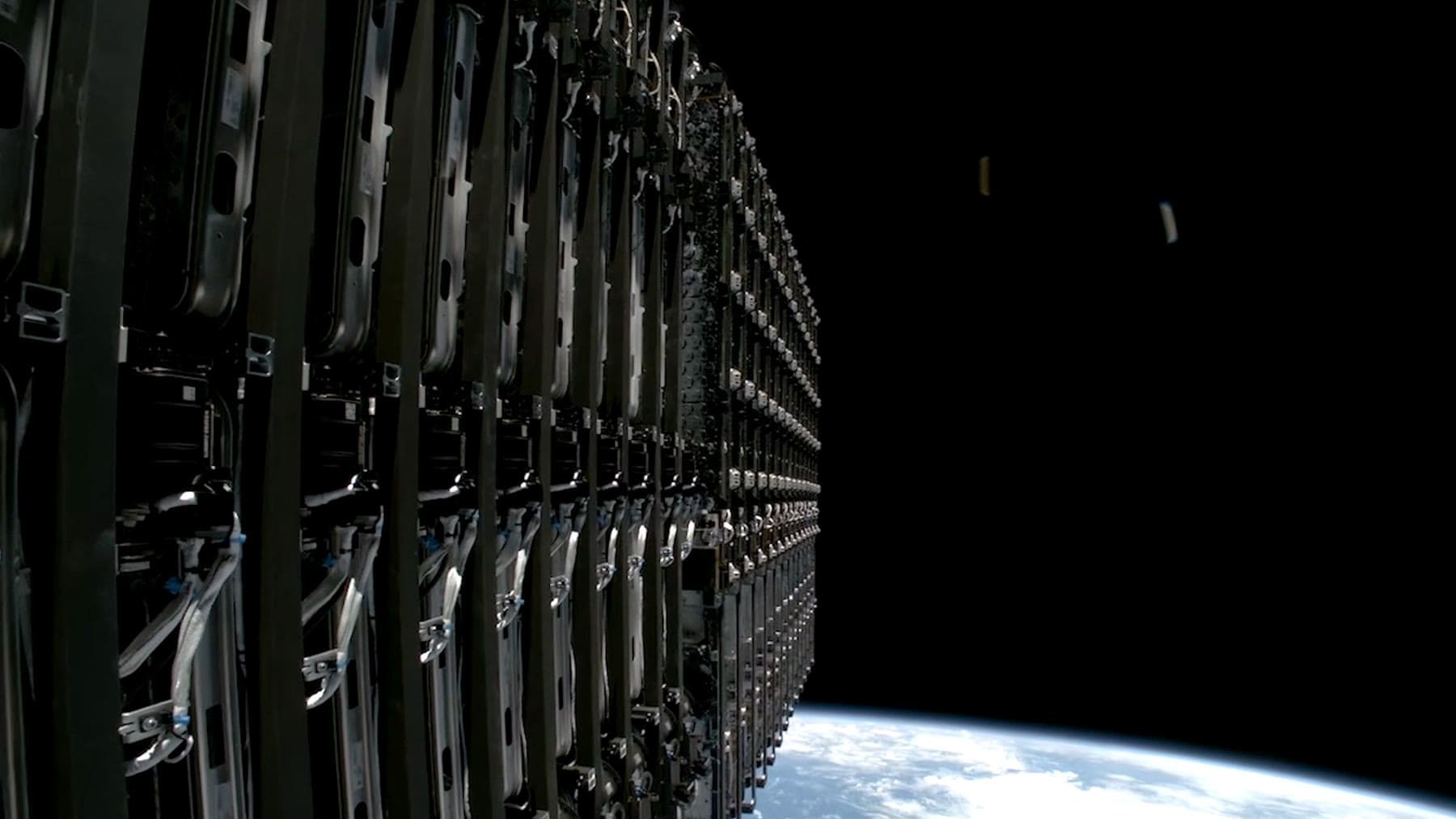
Why constellations matter
Scale turns debris into a governance issue.
Large constellations can deliver useful services, but they also add satellites, maneuvers, replacement cycles, reentries, and coordination burden.
The debate should not be reduced to panic or dismissal. It is an infrastructure-management problem, and the public needs to know which evidence category a claim uses.
How to follow it
Watch disposal rules and real operator behavior.
The useful updates name what changed: a fragmentation event, a disposal deadline, a five-year deorbit condition, an active-removal test, a conjunction-handling disclosure, or better tracking transparency.
Regulatory deorbit requirements
Collision avoidance performance
Large constellation disposal rates
Active removal demos
Fragmentation or anti-satellite events
Common traps
These shortcuts make the story less accurate.
Space Debris headlines can make one milestone sound like a finished system. These distinctions keep the update tied to what was actually demonstrated, decided, or still missing.
Space is big, but useful orbits can still be crowded.
Small debris can be dangerous because orbital speeds are high.
Deorbit plans matter as much as launch plans.
Next steps
Keep the roadmap in view
Get major space updates, set launch reminder interest, or keep exploring the Roadmap that turns space progress into a readable system.