
 Your Guide to Space
Guide
Starlink is both a service network and orbital traffic.
Starlink and other large low Earth orbit constellations connect satellite manufacturing, launch cadence, broadband service, spectrum rights, astronomy concerns, collision avoidance, and end-of-life disposal.
A constellation can create real connectivity value and real orbital-stewardship pressure at the same time.
Sources reviewed June 2026
Constellation logic
The product is bigger than the satellites.
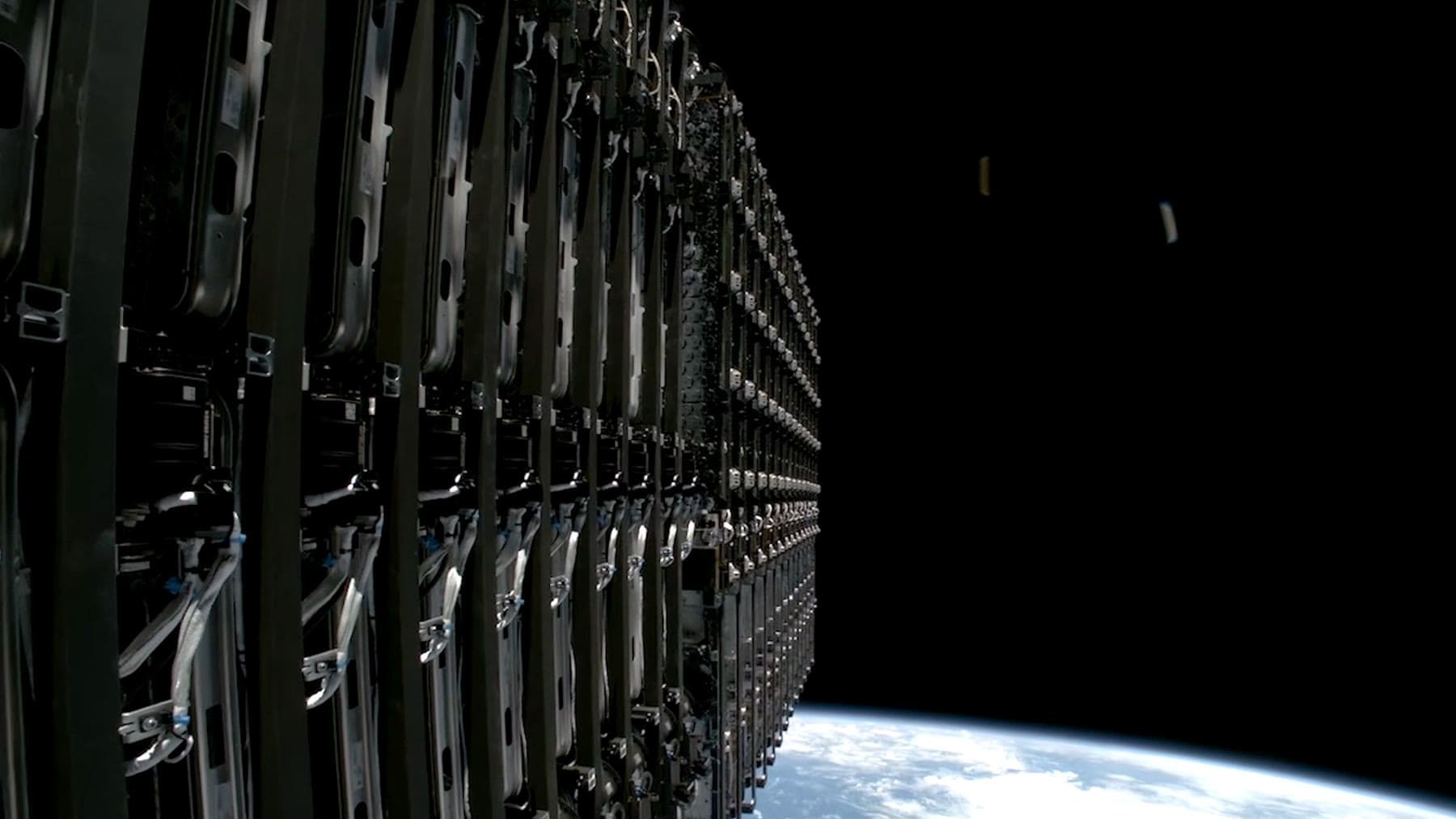
A megaconstellation is a manufacturing line, launch manifest, ground network, spectrum license, collision-avoidance system, user terminal, customer service product, and deorbit plan all at once.
Starlink is the most visible operational example because it ties SpaceX launch cadence to a recurring broadband business. Project Kuiper and other systems show that the market question is broader than one company.
The benefits are real: connectivity, resilience, emergency communications, rural access, and defense relevance. The costs are also real: orbital congestion, reentry, astronomy interference, spectrum conflict, and disposal compliance.
System layers
Read constellations through three systems.
The service system
Coverage, latency, terminals, gateways, pricing, reliability, and direct-to-device capability decide user value.
The launch system
Manufacturing and replenishment cadence decide whether the network can scale and refresh aging satellites.
The traffic system
Spectrum, astronomy, collision avoidance, deorbit compliance, and reentry risk decide whether scale is sustainable.
What counts
Constellation progress is service plus stewardship.
Deployment count is not enough. Public evidence should include service quality, regulator decisions, launch cadence, replacement rhythm, astronomy mitigation, collision-avoidance performance, and disposal behavior.
Starlink is operational at large scale. Other megaconstellations are still proving deployment, service, and replacement cadence.
Starlink creates internal launch demand for SpaceX.
Project Kuiper could add a second major broadband constellation demand source.
Direct-to-device service changes the telecom story.
Large constellations create astronomy and debris-management concerns.
Shared orbit
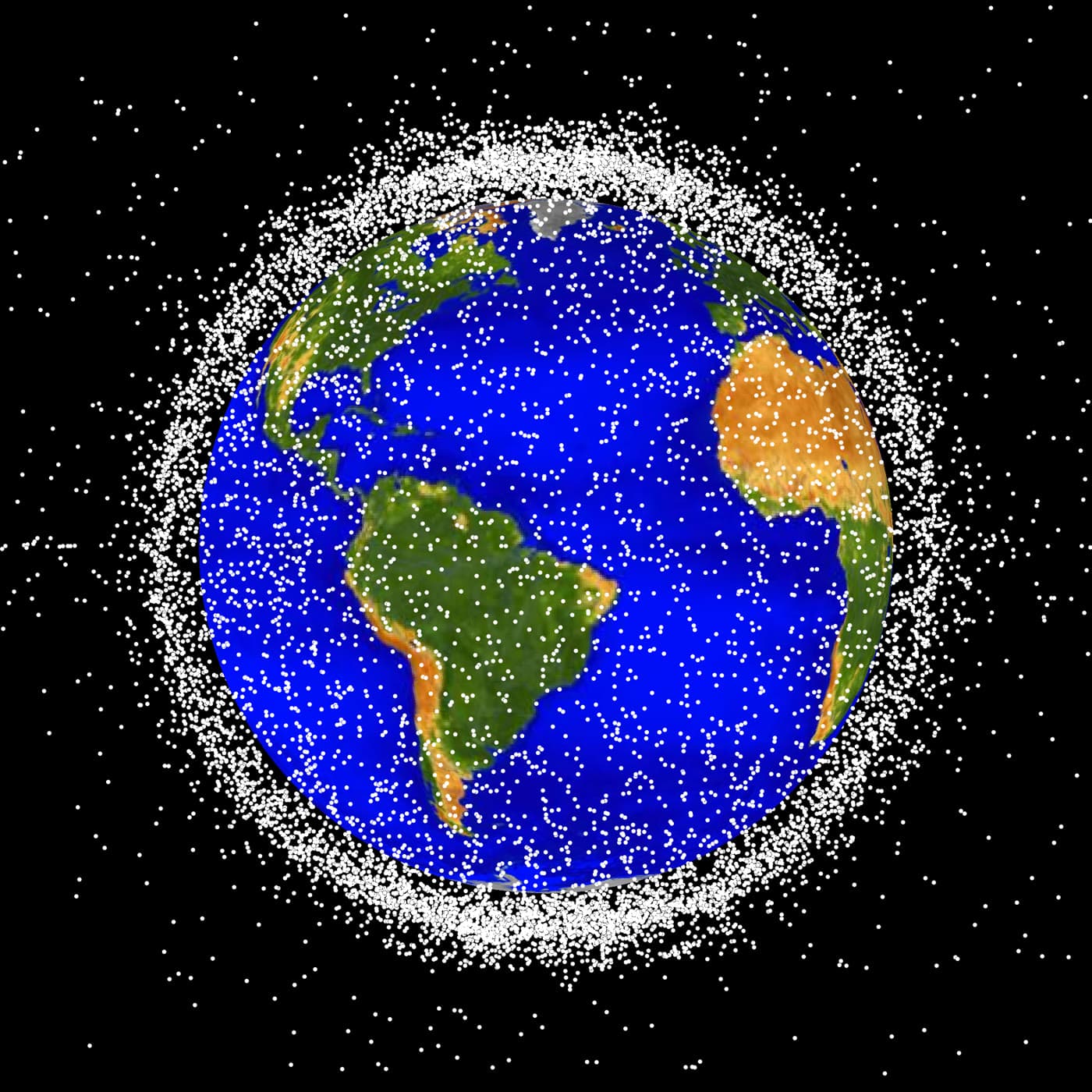
Useful low Earth orbits are not empty highways.
The debris and traffic story is not an argument against satellite service. It is a reminder that scale changes the operating environment for everyone using similar altitudes.
That makes constellation stories policy stories as well as telecom stories. Spectrum, licensing, disposal, and transparency shape the network as much as rocket cadence.
How to follow it
Watch deployment, service, and disposal in one frame.
The strongest updates connect launches, satellite generations, direct-to-device rollout, spectrum rulings, close-approach behavior, astronomy mitigation, and deorbit compliance.
Launch cadence and satellite replenishment
Direct-to-device rollout
Regulator and spectrum decisions
Debris mitigation and deorbit compliance
Astronomy mitigation results
Common traps
These shortcuts make the story less accurate.
Starlink and Megaconstellations headlines can make one milestone sound like a finished system. These distinctions keep the update tied to what was actually demonstrated, decided, or still missing.
A satellite launch is only one part of a constellation business.
Space internet does not remove orbital traffic concerns.
Bigger constellation size is not automatically better service.
Next steps
Keep the roadmap in view
Get major space updates, set launch reminder interest, or keep exploring the Roadmap that turns space progress into a readable system.