
 Your Guide to Space
Mission
Commercial Human Spaceflight
Commercial human spaceflight is not routine tourism. It is a set of transport, private astronaut, station, suit, and customer experiments trying to make orbital access more service-like.
Axiom missions, NASA private astronaut selections, Dragon and future crew transport, suborbital flight demand, commercial station hardware, and NASA Commercial LEO procurement
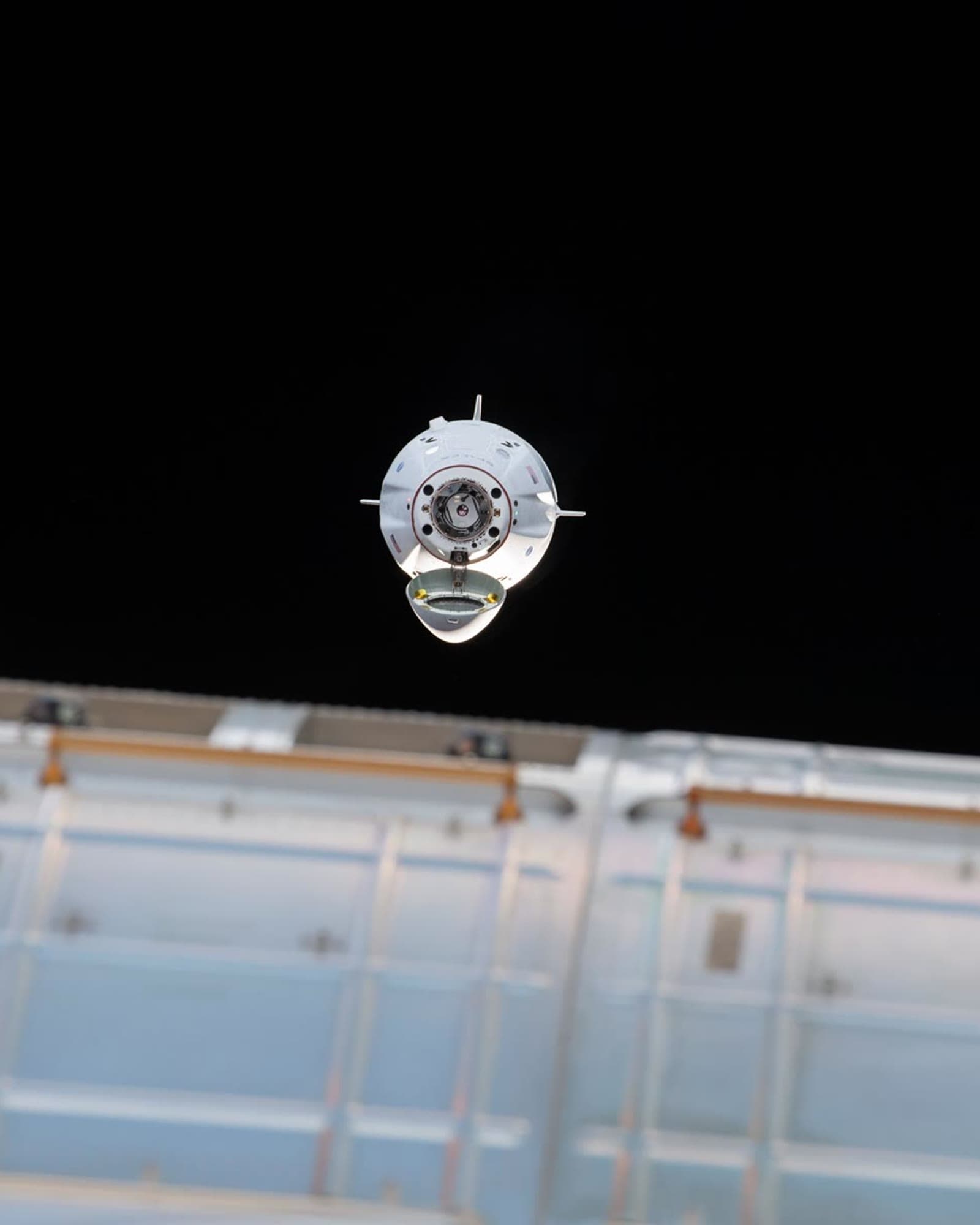
Why it matters
Private human spaceflight is mature in transport, not destinations.
Commercial human spaceflight has to be read in layers. Crew Dragon transport and private astronaut missions are real operations; private space stations, recurring non-NASA demand, and a broad orbital economy remain unproven.
That distinction keeps the category honest. Buying transport to the ISS is different from certifying a safe free-flying destination, filling it with customers, supporting emergencies, and operating it often enough to matter.
The next decade will decide whether private human spaceflight becomes a service ecosystem or stays a small number of expensive missions riding on government infrastructure.
The pieces in play
Separate crew transport from private destinations.
Commercial human spaceflight is not one market. NASA crew transport, private astronaut missions, suborbital flights, Axiom's ISS work, Vast's station plans, and post-ISS procurement all sit at different maturity levels.
The useful split is between operations already happening and destinations still trying to become safe, certified places where people can live and work.
Axiom missions show private and sovereign astronauts can use the ISS. Axiom Station, Vast Haven-1, and other destinations still have to prove hardware, life support, safety rules, customer demand, and recurring operations.
NASA Commercial Crew and private astronaut missions
Commercial Crew has made U.S. crew transport to ISS a NASA-purchased service.
Commercial Crew is the working transport baseline that private destinations still need to match operationally.
Axiom missions and Axiom Station
Private astronaut missions provide real ISS operations experience, but not yet a full private-destination market.
Private astronaut missions show real training, docking, work, and return operations beyond government crews.
Vast Haven-1 and private station pathfinders
Axiom Station hardware and module sequencing still have to mature before the destination can host crews.
Axiom Station is the ISS-attached path that still has to move from modules to sustained destination service.
NASA Commercial LEO Destination procurement
Vast and free-flying station plans need hardware, certification, customers, and safe crewed service.
Vast and free-flying stations show whether private destinations can move from renderings to crewed operations.
suborbital human spaceflight where it produces training or demand evidence
NASA's Commercial LEO procurement remains the demand and certification path for post-ISS destinations.
Commercial LEO procurement is the demand and certification path for the post-ISS market.
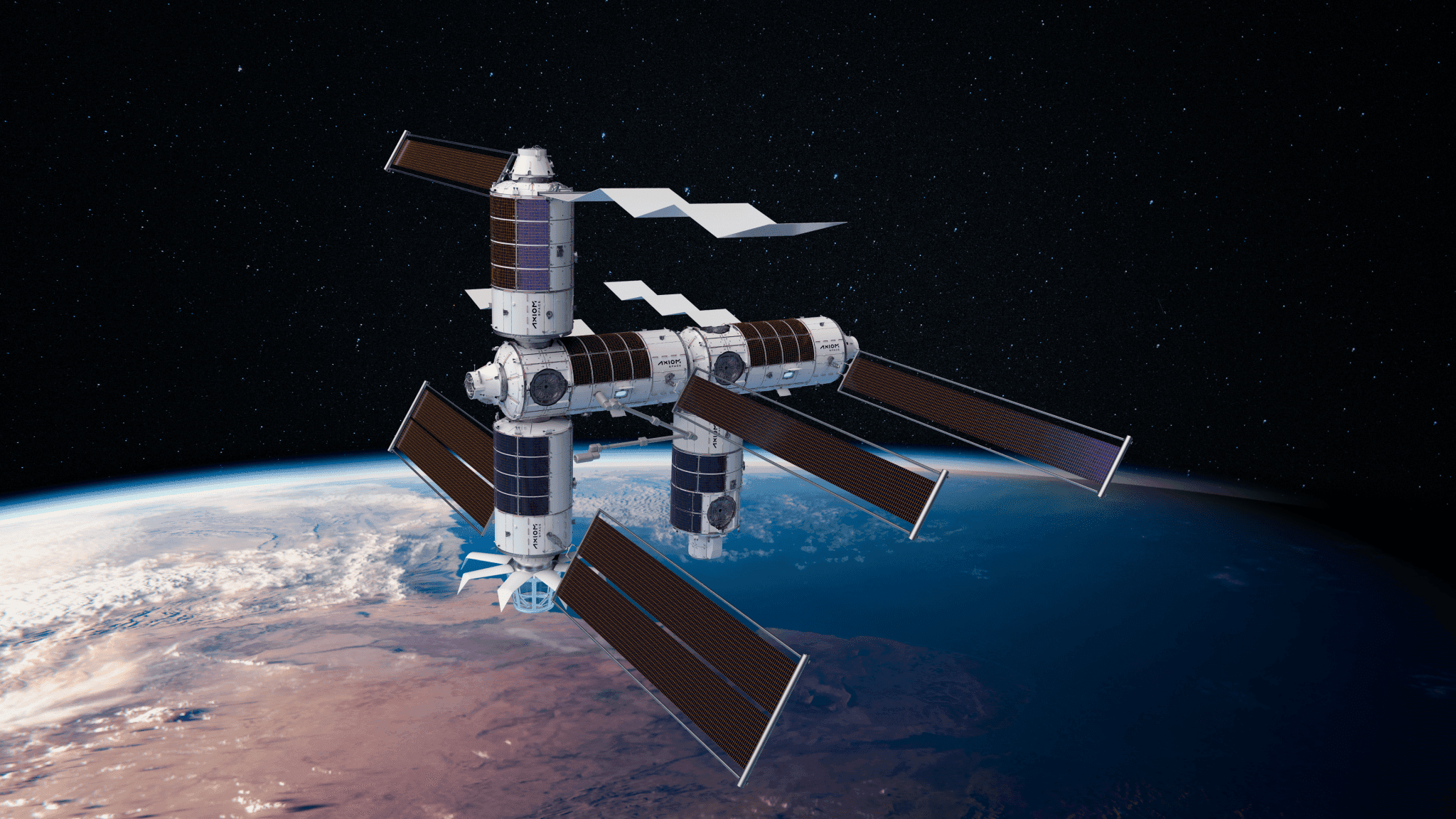
What the image shows
Destinations are the unproven layer.
An Axiom Station rendering is useful when it helps readers ask the right questions: which modules are real, how assembly would work, who certifies safety, who pays to use it, and how crews would live through emergencies.
Already real
Commercial Crew and private astronaut missions have real operating history.
Dragon crew transport and private astronaut missions show that non-government crews can train, launch, dock, work aboard ISS, and return. That is meaningful operating history, but it does not by itself prove a private station business.
Ax-4 and NASA's private-astronaut-mission path show real training, docking, research, international customer, and return experience. They do not remove the harder destination question.
Transport already works
Commercial Crew has turned NASA astronaut transport into a purchased service with real operational history.
Private crew operations
Private astronaut missions have shown that non-government crews can train, launch, dock, conduct work, and return through ISS operations.
Destination gap
Axiom, Vast, and other station teams are visible, but their stations still need hardware, certification, customers, and safe operations.
Still to prove
A private destination market still has to prove itself.
The open questions are certification, life support, emergency response, launch cadence, research demand, sovereign customers, insurance, and whether enough buyers exist beyond NASA-supported transition needs.
The commercial station race is also a timing problem. If hardware, certification, customers, and transport do not line up before ISS retirement, private human spaceflight can have proven vehicles without enough places to go.
- 01Is there enough recurring non-NASA demand to support private stations?
- 02Can commercial station teams certify safe destinations before ISS retirement creates a gap?
- 03Which private astronaut missions are useful operational evidence rather than one-off publicity?
Worth watching
Watch demand, certification, station hardware, and safety gates.
A meaningful update should move a station module, mission, customer, or certification path closer to recurring safe service, not just add another aspirational rendering.
Watch NASA private astronaut selections, Axiom module sequencing, Vast Haven-1 integration, Commercial LEO procurement, xEVA suit milestones, and whether customers buy useful work rather than symbolic access.