
 Your Guide to Space
Mission
Jupiter & Europa
Europa Clipper and ESA's Juice make ocean worlds a live mission category, not just a science-fiction idea.
Europa Clipper's cruise and 2030 arrival path, Juice gravity assists, instrument health, radiation planning, and future ocean-world science releases
Why it matters
Ocean-world missions reward patience.
Jupiter's icy moons are interesting because they combine subsurface oceans, thick ice shells, chemistry, radiation, tidal heating, and ancient surfaces in one difficult system. They are among the best places to ask whether habitability can exist far from sunlight, powered by internal heat and chemistry rather than by a warm surface.
Europa Clipper and Juice are already flying, but their main results will arrive slowly: gravity assists, cruise health, instrument readiness, radiation survival, and years of flybys before scientists can compare Europa, Ganymede, and Callisto in detail.
That slow rhythm is the point. A useful Jupiter update may be a trajectory correction, a clean instrument checkout, a gravity assist, or a radiation-survival result years before the most dramatic science release. The mission area teaches readers to value the chain that makes later discoveries possible.
The pieces in play
The key names are already in flight or cruise.
Europa Clipper and Juice are not waiting-room missions. Cruise health, gravity assists, instrument checkout, and flyby planning decide whether the spacecraft will be ready when the science window finally opens.
Europa Clipper is focused on Europa itself: ice shell, ocean, surface chemistry, geology, and whether the environment could support life. NASA says it will orbit Jupiter and make 49 close flybys of Europa, carrying nine science instruments plus a gravity experiment through the telecommunications system.
Juice is the comparison mission. ESA's spacecraft studies Jupiter and the icy moons Ganymede, Callisto, and Europa, with Ganymede eventually becoming the first moon beyond Earth to get a dedicated spacecraft orbiter.
Read Europa, Ganymede, and Callisto together. The bigger story is not one moon; it is whether icy worlds with oceans, chemistry, radiation, and geologic activity can become a serious habitability field.
NASA Europa Clipper
Europa Clipper launched October 14, 2024 and is traveling toward a 2030 Jupiter arrival.
Europa Clipper turns Europa into a repeated-flyby investigation of ice shell, ocean clues, surface chemistry, geology, and habitability context.
ESA Juice
ESA's Juice launched April 14, 2023 and is using gravity assists before Jupiter-system operations.
Juice makes the Jupiter system a comparison story, with Ganymede and Callisto beside Europa instead of treating one icy moon as the whole field.
Jupiter-system cruise operations
Cruise navigation, gravity assists, and spacecraft health are the main story before the headline science phase.
Cruise operations and gravity assists explain why outer-planet science takes years before headline data arrives; travel is part of the mission.
ocean-world habitability science
Ocean-world habitability claims depend on instruments surviving radiation and returning flyby data.
Habitability science is strongest when it connects ocean clues, surface exchange, chemistry, geology, and energy sources without promising life detection.
radiation and flyby operations
Radiation and flyby operations decide whether the spacecraft can gather useful data near the moons without being disabled by Jupiter's environment.
Radiation and instrument health decide how much science the spacecraft can safely return during the most valuable flybys.
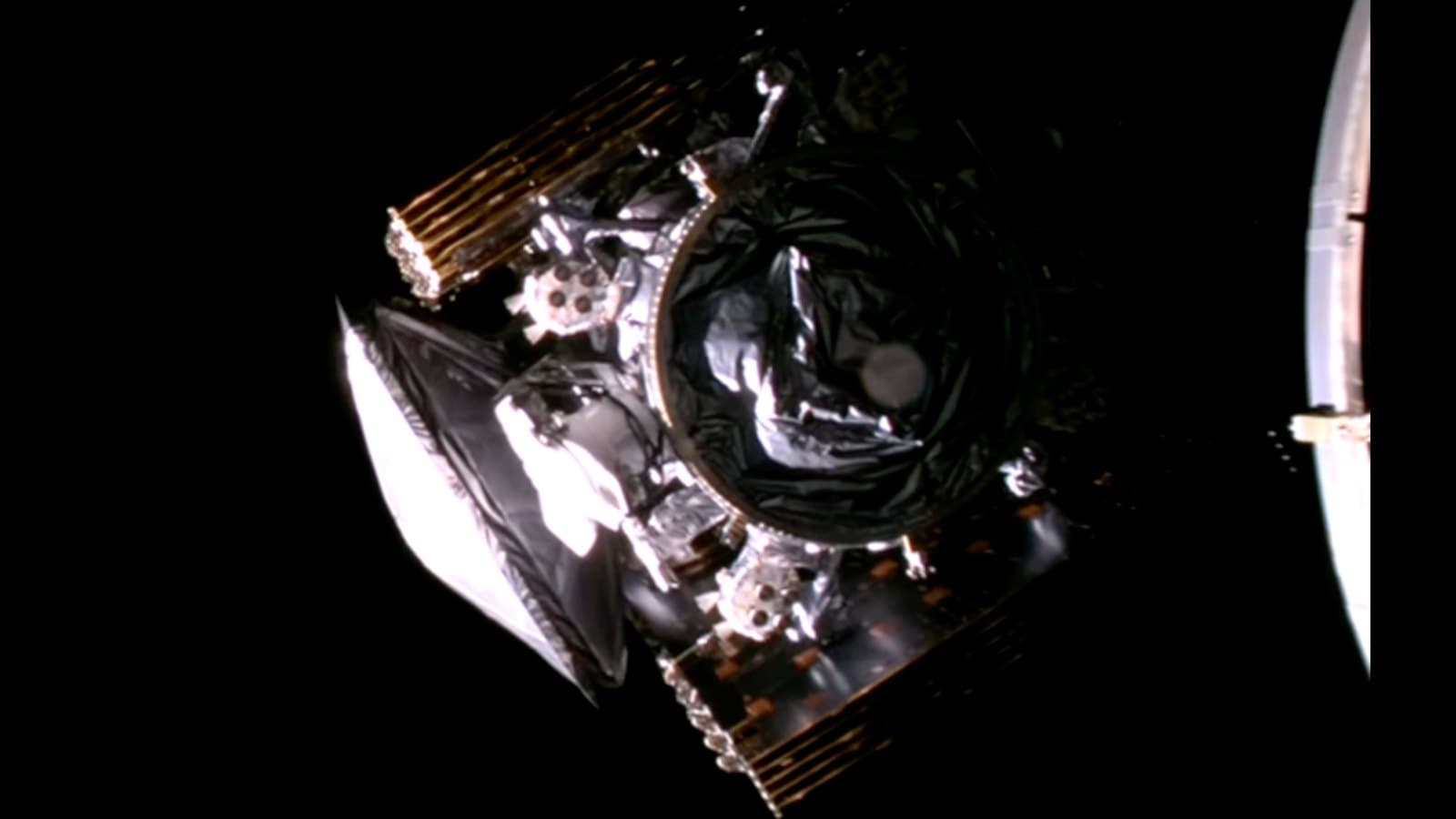
What the image shows
Outer-planet hardware has to survive a harsh system.
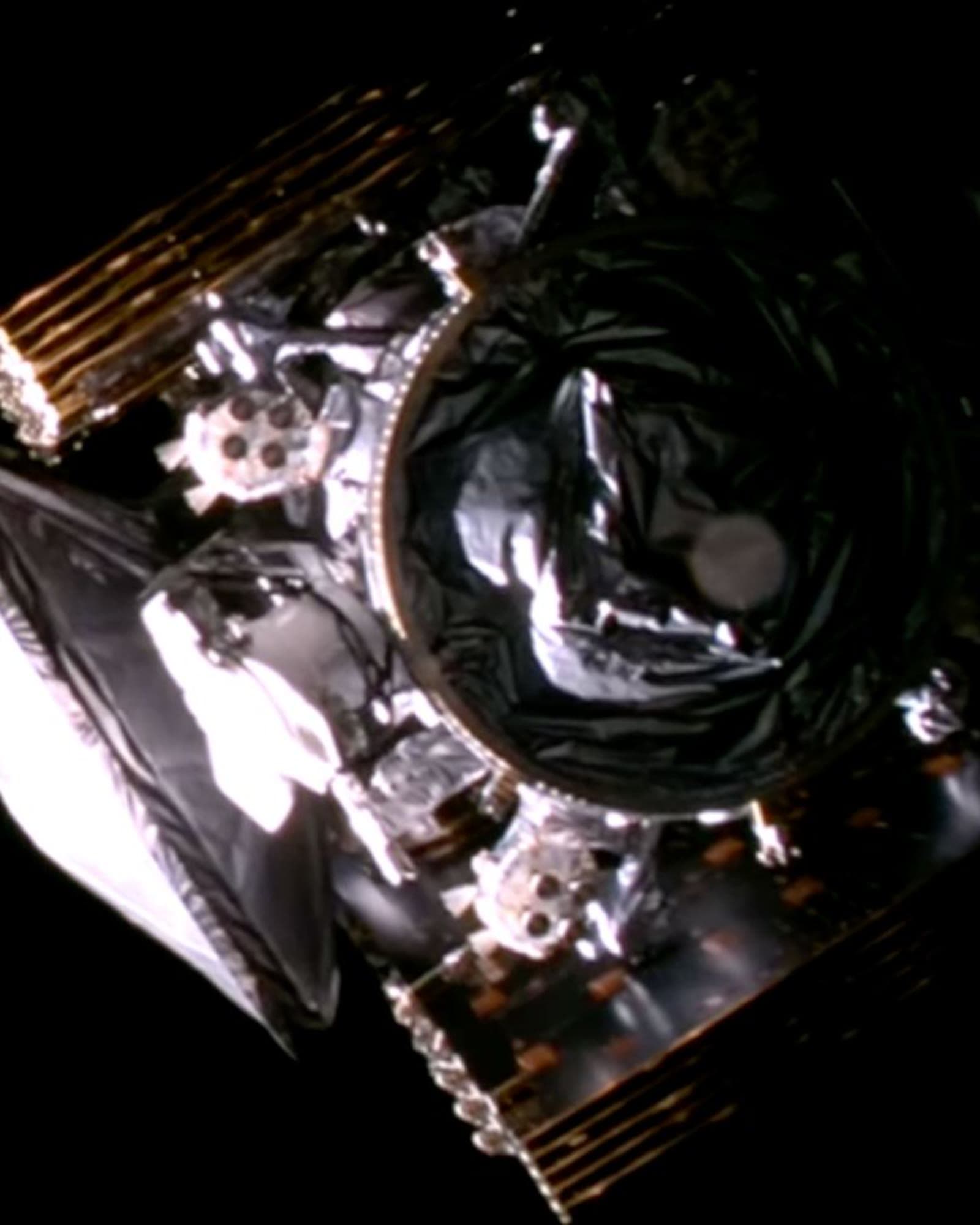
Europa Clipper's large solar arrays, instruments, thermal design, and radiation protection exist because Jupiter is not a gentle science destination. The hardware has to preserve enough capability through cruise and radiation to make the later flybys count.
Already real
The ocean-world campaign has moved beyond proposals.
The launches are already behind us. Falcon Heavy and Ariane 5 did the departure work; the current story is spacecraft health, navigation, and whether the mission teams preserve enough capability for years of outer-planet operations.
Clipper's design also shows why Jupiter is harder than a normal planetary cruise. Europa sits inside a severe radiation environment, so the mission uses shielding and a Jupiter-orbit flyby strategy instead of simply parking around Europa.
Juice adds another strength: European deep-space operations, long gravity-assist navigation, and a mission design built to compare several icy worlds rather than chase one headline target.
Flights in progress
Europa Clipper and Juice have both launched, so ocean-world science is now a live flight program rather than a proposal set.
Europa focus
NASA's mission is built around repeated close flybys that connect surface geology, ice thickness, ocean clues, chemistry, and habitability context.
Jupiter-system comparison
ESA's Juice gives Ganymede and Callisto serious weight, so Europa will not be interpreted as a one-moon story.
Radiation-aware architecture
Jupiter's magnetic environment shapes the flyby strategy, shielding needs, spacecraft health checks, and instrument operations.
Launches complete
Falcon Heavy and Ariane 5 have already done the departure work; spacecraft health, gravity assists, and cruise navigation now matter most.
Still to prove
Habitability is not the same claim as life detection.
Europa, Ganymede, and Callisto may tell scientists whether ocean worlds have the ingredients, energy sources, and geologic pathways that make habitability plausible. That is a powerful science question, but it is not a promise that either spacecraft will detect life.
The uncertain parts are practical as well as scientific. Instruments must stay healthy, trajectories must line up, radiation exposure must remain survivable, and flyby geometry must let scientists connect surface features, ice thickness, ocean chemistry, magnetic fields, and possible plumes into a coherent picture.
- 01Radiation survival
Do spacecraft electronics and instruments stay healthy enough for useful flyby science inside Jupiter's harsh magnetic environment?
- 02Ocean evidence
What do gravity, radar, magnetic-field, imaging, and composition data reveal about ice thickness, ocean depth, and exchange between ocean and surface?
- 03Comparative habitability
How do Europa, Ganymede, and Callisto differ when scientists compare oceans, chemistry, geology, and available energy?
- 04Claim limits
Which findings strengthen habitability evidence without becoming a life-detection claim?
Worth watching
Watch cruise health before expecting headline science.
The next useful updates are quiet ones: trajectory, spacecraft status, instrument checks, gravity assists, and planning decisions that make later Europa and Jupiter-system flybys more valuable.
Once the spacecraft reach Jupiter, the watch list changes from travel to interpretation: which flybys happen, which instruments collect clean data, whether Europa shows recent exchange between ocean and surface, and how Ganymede and Callisto change the wider ocean-world comparison.