
 Your Guide to Space
Mission
International Space Station
The ISS is the operating human-spaceflight platform that proves daily orbital life is hard even before the private-station transition begins.
visiting vehicles, Dragon and Cygnus cargo, crew rotations, station science, commercial-use activity, retirement planning, and the deorbit/transition path
Why it matters
The ISS is still the operating standard for life in orbit.
Treat the ISS as infrastructure, not nostalgia. It is the place where crew rotations, cargo delivery, docking ports, science schedules, repairs, emergency planning, partnerships, and visiting vehicles have to keep working at the same time.
That operating base is exactly why the post-ISS transition is risky. Future private stations will inherit expectations built by the ISS, but they still need certified destinations, transport, customers, life-support systems, research demand, and end-of-life plans.
The best station updates are usually practical: which vehicle arrived, which cargo mattered, which maintenance item constrained operations, which science used crew time, and whether the deorbit and commercial-transition timelines are becoming more credible.
The pieces in play
Station work is crew, cargo, science, and transition.
The ISS is easy to treat as old infrastructure, but it is the daily demonstration that human low Earth orbit requires traffic control, crew handovers, cargo, maintenance, research time, diplomacy, and emergency discipline.
Dragon, Cygnus, Soyuz, Progress, station science, and deorbit planning all matter because future private stations have to inherit the useful parts without assuming the operating base is automatic.
Read every station headline as an operations headline. A routine docking can matter because it protects crew continuity, science utilization, spares, or the transition knowledge private platforms will need.
Expedition crew operations
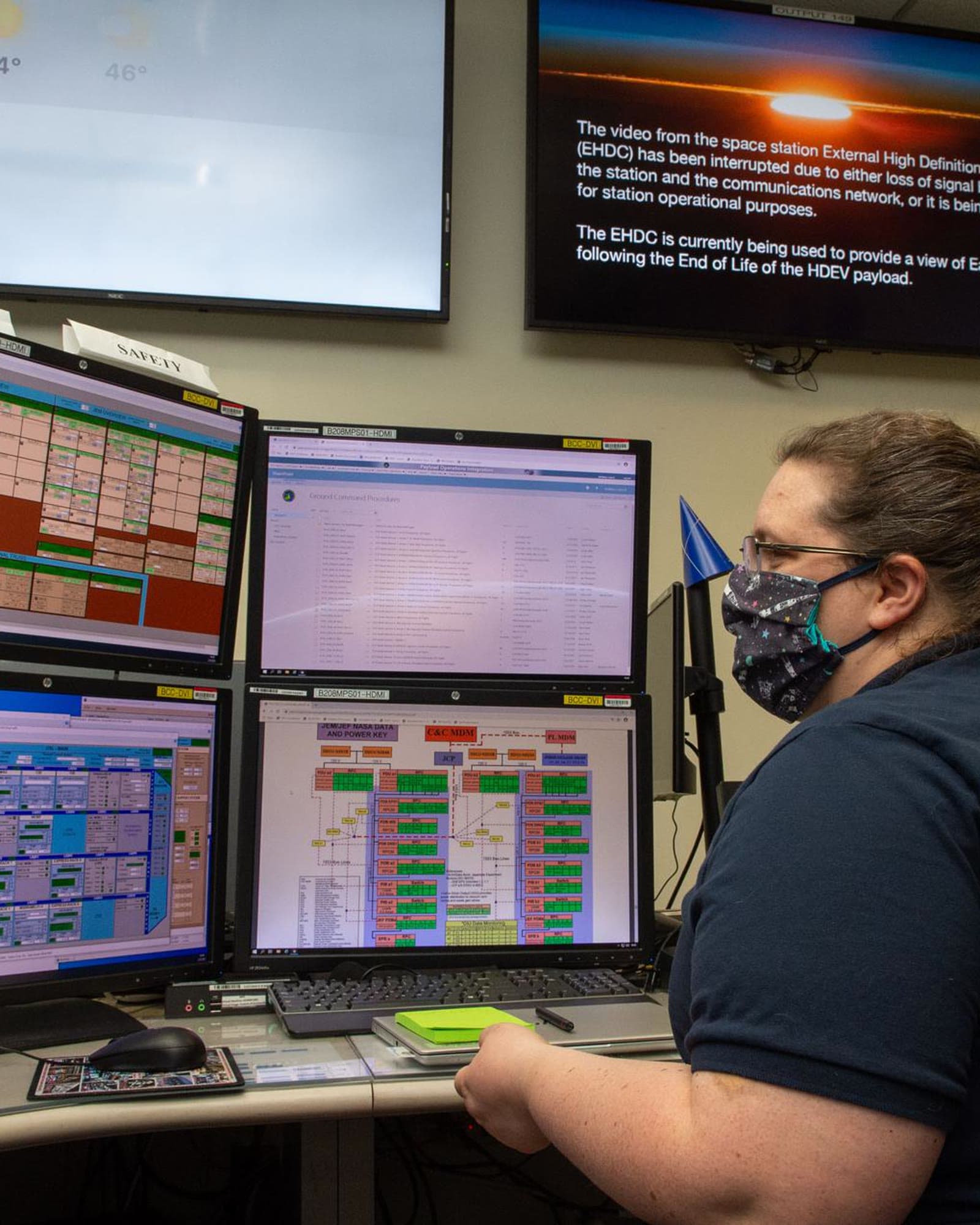
NASA's June 2026 station overview showed active visiting vehicles and continuous operations.
Expedition operations show orbital life as routine work: crew time, maintenance, research, safety, and handover.
SpaceX Crew Dragon and Cargo Dragon
Dragon flights make crew and cargo transport recurring services, not isolated demonstrations.
Dragon and Cygnus logistics reveal whether transport reliability is strong enough for continuous station use.
Northrop Grumman Cygnus
Cygnus keeps commercial cargo logistics in the station story.
Microgravity science is the reason NASA wants useful low Earth orbit access after ISS.
Soyuz and Progress operations
Soyuz and Progress keep the partnership and traffic picture international.
International partnership keeps the station's political and operational reality visible.
microgravity science and technology demonstrations
Station science remains the demand argument for continuous LEO access.
Deorbit and transition planning determine whether commercial destinations arrive before a capability gap.
ISS transition and deorbit planning
Deorbit and transition planning decide whether private stations arrive before a capability gap.
Treat the station as infrastructure: crew rotations, cargo traffic, science, partnerships, maintenance, and end-of-life planning all matter.
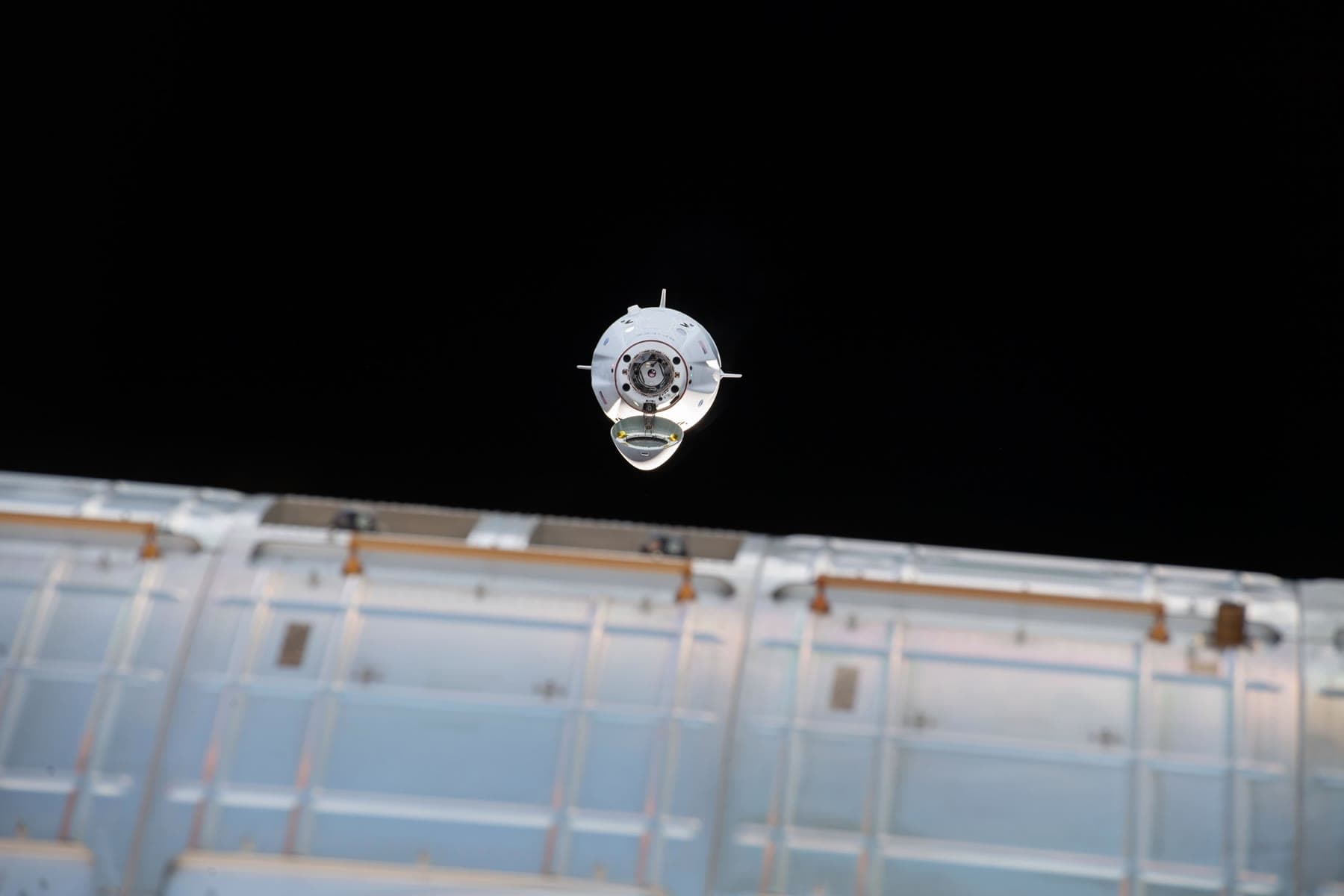
What the image shows
Visiting vehicles keep the station alive.
A docked Dragon is not just a vehicle photo. Crew handovers, cargo delivery, docking schedules, return capability, and traffic coordination are the practical systems future stations have to inherit.
Already real
The station makes low Earth orbit look routine because it is hard.
Commercial crew and cargo have made parts of station access service-like, but that reliability is the result of many linked systems: vehicles, ground teams, docking ports, schedules, safety rules, and international coordination.
ISS experience is cumulative. Decades of continuous human presence, international procedures, visiting-vehicle traffic, and microgravity research form the operating standard private stations must meet before the old platform goes away.
Operating platform
The ISS remains a working crewed platform with multiple visiting vehicle types and a steady stream of science and logistics activity.
Service-like access
Commercial crew and cargo services have made U.S. access to the station more repeatable than the Shuttle era.
Transition rehearsal
Station operations expose the exact problems future private destinations must solve: safety, traffic, research demand, maintenance, and disposal.
Still to prove
The post-ISS handoff is not proven yet.
A smooth transition needs private destinations, certified operations, real customers, cargo and crew transport, and a safe ISS end-of-life plan to line up before the old platform disappears.
A gap would matter because the ISS is not only a building in orbit. It is a workforce, a safety culture, a transport rhythm, a research marketplace, and a diplomatic operating habit.
- 01Continuity
Can NASA maintain useful low Earth orbit access without a post-ISS gap?
- 02Operations reliability
Do crew and cargo providers stay dependable enough to support science and transition planning?
- 03End-of-life planning
How does station deorbit planning affect the credibility of future private destinations?
Worth watching
Watch operations and transition risk together.
Useful station updates are practical: visiting vehicle traffic, crew rotation quality, science use, maintenance constraints, deorbit decisions, and whether private-station hardware is catching up to the retirement clock.
The strongest station updates change continuity: a cargo arrival, crew handover, leak or maintenance concern, commercial station milestone, deorbit contract, or transition procurement decision.