
 Your Guide to Space
Guide
Mars settlement starts after the rocket problem.
Getting to Mars is hard. Staying alive, landing large payloads, generating power, recycling life support, managing radiation, producing consumables, returning safely, and paying for it repeatedly are harder.
A big rocket can lower one barrier. It does not solve entry and landing, radiation, dust, closed-loop life support, surface power, food, medicine, governance, or economics.
Sources reviewed June 2026
Hard problems
Mars is a stack of unsolved operating conditions.
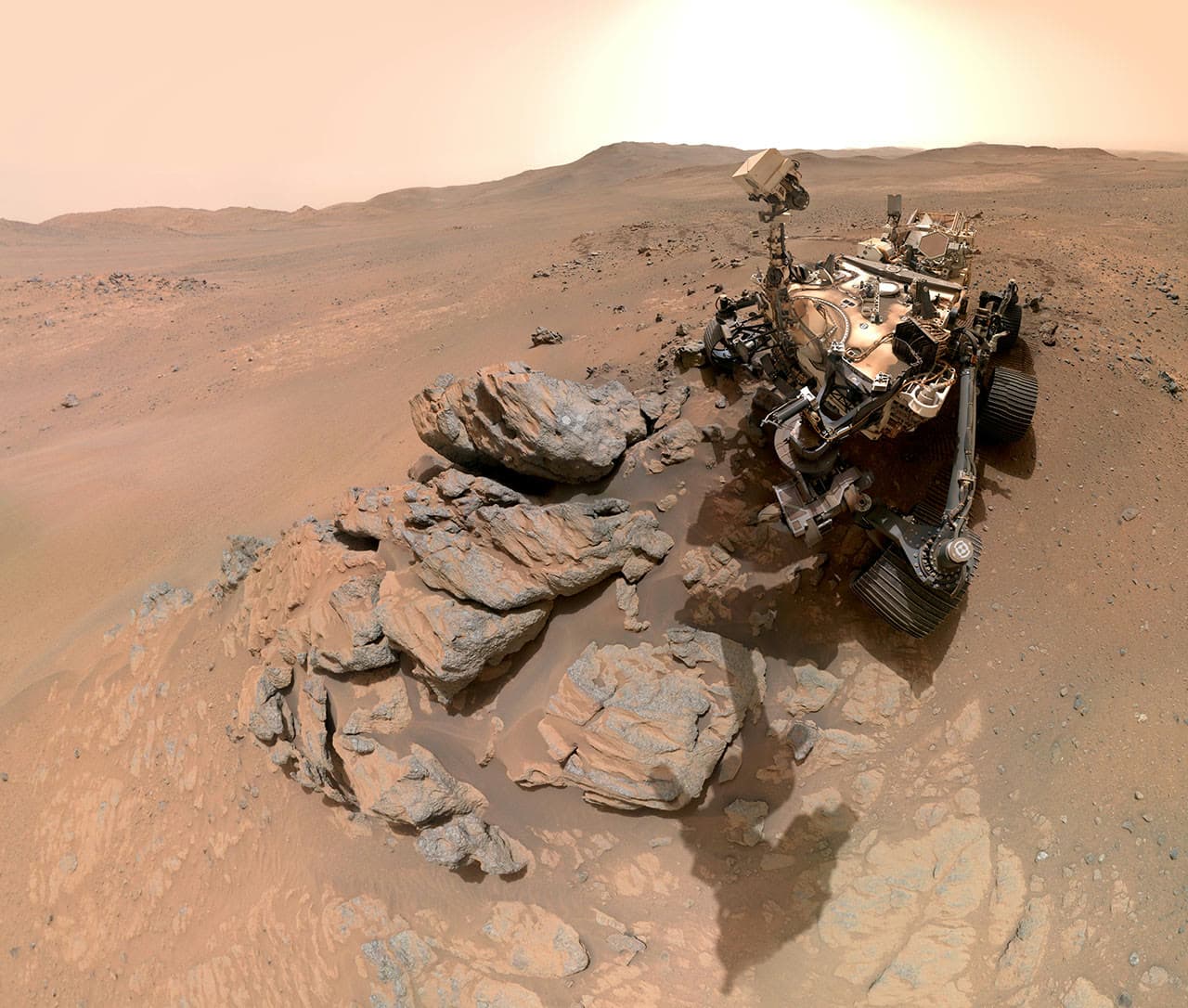
Mars is close enough to imagine and far enough to punish wishful thinking. Launch windows are limited, communication is delayed, rescue is not quick, and large-payload entry, descent, and landing remains a central engineering problem.
The surface is also not a waiting construction site. Radiation, dust, temperature swings, reduced gravity, power needs, medical constraints, food, spare parts, and life-support reliability all become daily operating risks.
That does not make Mars unworthy. It makes the evidence standard higher. The right guide keeps the long-term vision alive while refusing to treat transport architecture as settlement proof.
The hard stack
Three categories decide whether Mars becomes practical.
Arrival and landing
Large payloads must survive interplanetary cruise, atmospheric entry, descent, landing, and surface checkout far from quick help.
Survival systems
Radiation, dust, life support, power, habitats, food, water, medical care, and maintenance have to work as a field system.
Repeatability
Launch windows, return plans, cargo cadence, governance, crew risk, and economic demand decide whether a first base can persist.
What counts
Mars claims need Earth, orbit, Moon, and robotic evidence.
The useful watch items are technologies that reduce mass, risk, energy demand, or dependence on Earth resupply. Lunar analogs and robotic Mars missions help, but neither proves settlement readiness alone.
Mars remains a serious long-term destination, but near-term progress is mostly in launch, life-support research, robotics, surface systems, and lunar analog work.
Heavy entry, descent, and landing
Mars has enough atmosphere to heat and buffet a spacecraft, but not enough to make large payloads easy to slow. Settlement-scale cargo needs landing proof beyond rover-class missions.
Closed-loop life support
Air, water, waste, food, filters, repairs, and medical care have to keep working with long resupply delays. A temporary crew visit is not the same as a durable settlement system.
Power, dust, and local resources
Surface power, dust control, oxygen production, water access, storage, and maintenance have to work together before local resources reduce dependence on Earth.
Return and rescue margins
A credible Mars plan needs ascent, rendezvous, return timing, emergency options, and risk rules that still work when help is months away.
Moon-to-Mars context
The Moon helps, but Mars is a different operating problem.
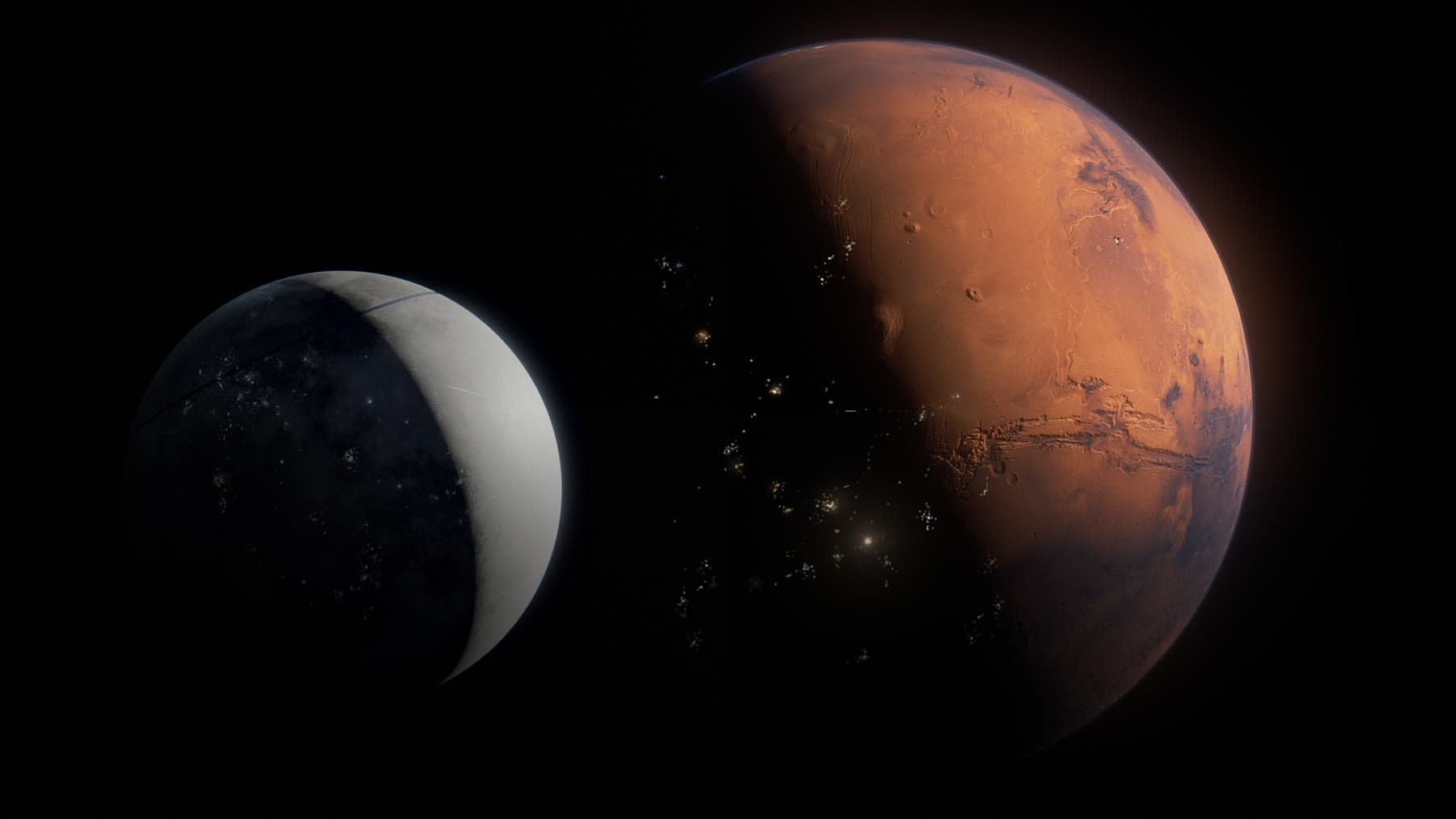
Lunar operations can teach deep-space logistics, crew health, mobility, power, and maintenance. Mars still adds a different atmosphere, longer travel, communication delays, launch windows, dust, heavy landing problems, and return constraints.
Rovers, orbiters, landers, and sample-return planning turn Mars from a poster into an operating environment. If even robotic sample return is complex and expensive, human settlement deserves careful language.
How to follow it
Watch the boring systems first.
The most useful Mars updates involve life-support duration, radiation mitigation, surface power, ISRU experiments, large-payload landing, cargo return, and robotic precursor data.
Heavy-lift reuse and refueling
Long-duration life-support tests
Large-payload landing demos
Surface power and ISRU experiments
Robotic precursor missions
Common traps
These shortcuts make the story less accurate.
Mars Settlement: The Hard Problems headlines can make one milestone sound like a finished system. These distinctions keep the update tied to what was actually demonstrated, decided, or still missing.
A big rocket does not solve Mars by itself.
Settlement is not the same as a flags-and-footprints visit.
Terraforming is not a near-term engineering plan.
Next steps
Keep the roadmap in view
Get major space updates, set launch reminder interest, or keep exploring the Roadmap that turns space progress into a readable system.