
 Your Guide to Space
Guide
Rockets fail because every margin is narrow.
A rocket launch asks engines, tanks, valves, software, structures, propellants, weather, ground systems, and teams to stay inside tight limits while the vehicle is shaking, heating, accelerating, and changing configuration.
Most failures are not one vague explosion. They are a chain break: one part leaves its safe range, the vehicle has little time to recover, and the consequence depends on when the break happens.
Sources reviewed June 2026
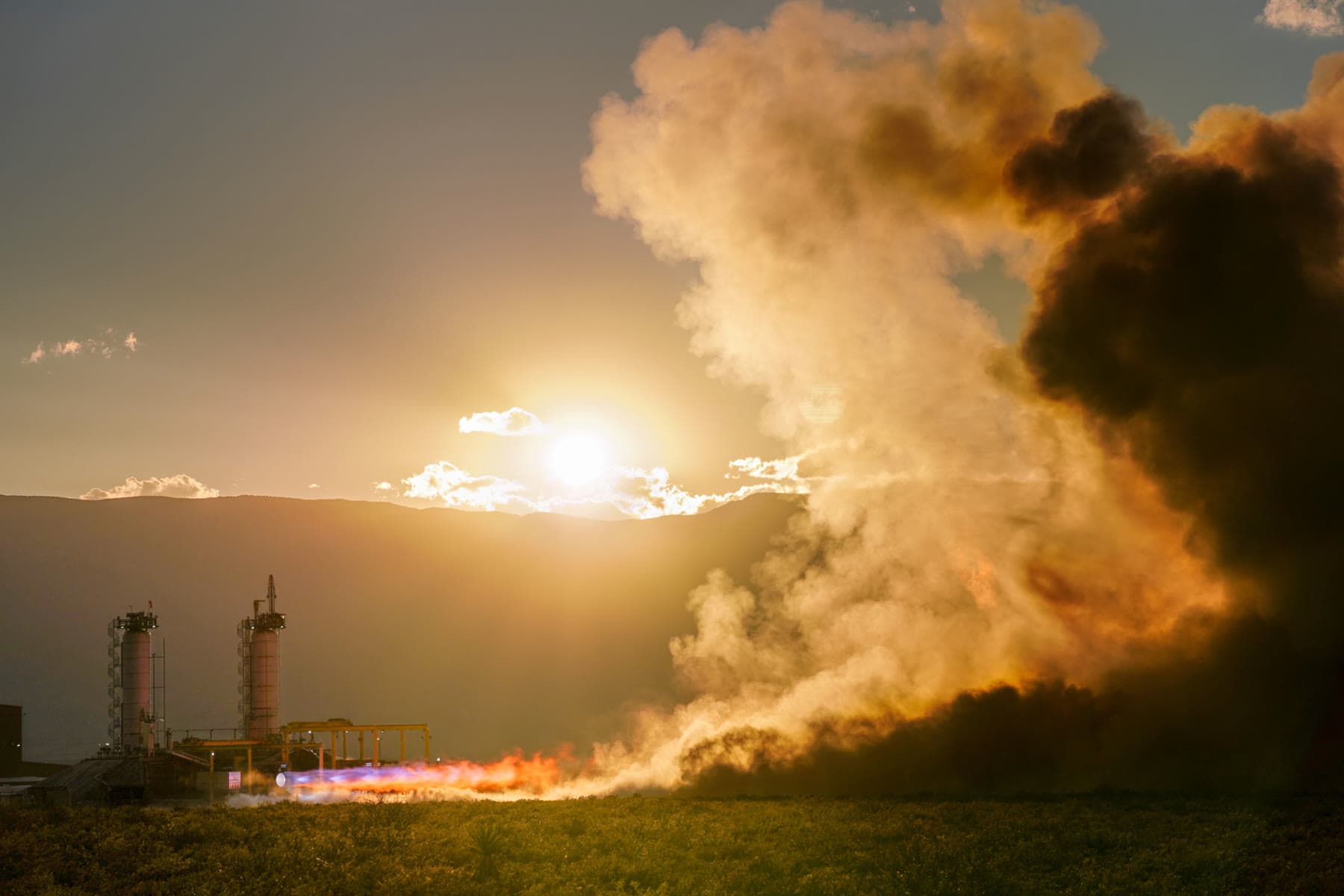
Failure mode
A rocket is a temporary machine at the edge of physics.
Launch systems operate close to structural, thermal, fluid, software, vibration, combustion, and timing limits. A small problem can stay contained, force an abort, degrade the mission, or destroy the vehicle depending on when it appears.
Ground systems, ascent, staging, upper-stage burns, payload deployment, reentry, and landing each stress different parts of the system. An engine issue at startup is not the same kind of failure as a stage-separation problem or a late deployment anomaly.
Development tests and customer missions also carry different stakes. A test article can fail and still teach the team something useful. An operational payload loss affects customers, cadence, insurance, schedules, and public trust.
Failure anatomy
Most failures come from three pressure points.
Energy and materials
Combustion, pressure, heat, vibration, propellant flow, seals, valves, tanks, and structures are pushed close to their limits.
System integration
Engines, avionics, software, hydraulics, pneumatics, stages, payloads, and ground systems must change state at exactly the right time.
Operations and environment
Weather, range constraints, procedures, manufacturing variation, inspection quality, and human decisions can move a launch outside its safe envelope.
Return to flight
A real fix changes the next vehicle or procedure.
After a serious anomaly, the important evidence is whether teams identify the failed part of the chain, change hardware or procedures, satisfy safety requirements, and fly again with a mission profile that shows the lesson was absorbed.
Public investigations vary by country, operator, and mission type. The most meaningful public evidence is a confirmed phase of flight, identified failure mode, hardware or procedure change, and a safer next attempt.
engine shutdowns can be protective or destructive depending on timing
stage-separation failures can end a mission even after a clean liftoff
ground-system issues can scrub a launch before the vehicle ever moves
landing failures can be acceptable test data if the payload mission succeeds
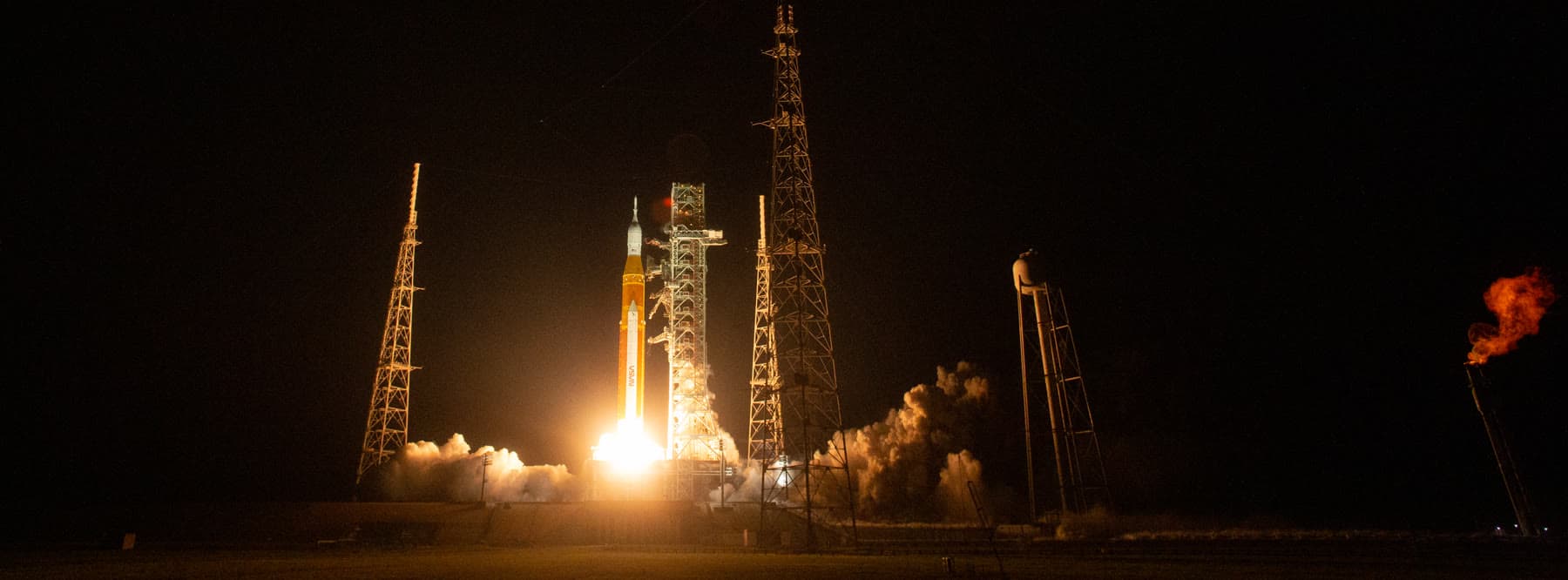
Risk discipline
Every clean launch is built on many no-go decisions.
Failures are visible because they break through the safety system. Scrubs, holds, inspections, and conservative launch rules are less dramatic but often more important.
That is why launch reliability is not just vehicle design. It is manufacturing control, mission assurance, range safety, ground operations, and management culture.
How to follow it
The next flight shows whether the lesson stuck.
The most useful signs after a failure are hardware changes, procedure changes, regulator clearance, customer confidence, and a flight that proves the system can stay inside limits again.
Regulator involvement
Company root-cause statements
Corrective actions
Manifest shifts
The next flight profile after the fix
Common traps
These shortcuts make the story less accurate.
Why Rockets Fail headlines can make one milestone sound like a finished system. These distinctions keep the update tied to what was actually demonstrated, decided, or still missing.
An explosion is not always a total program failure.
A scrub is not the same as an anomaly.
A partial success can still change the roadmap.
Next steps
Keep the roadmap in view
Get major space updates, set launch reminder interest, or keep exploring the Roadmap that turns space progress into a readable system.