
 Your Guide to Space
Guide
The new space age is real when it becomes operational.
Reusable launch, commercial procurement, constellations, lunar programs, and private capital changed the space roadmap. The honest story is not that space is suddenly easy; it is that more systems are being tested in public and judged by repeated use.
Ask whether a claim is demonstrated, under contract, in flight test, or still only a roadmap. That one filter keeps the era exciting without turning every announcement into a breakthrough.
Sources reviewed June 2026
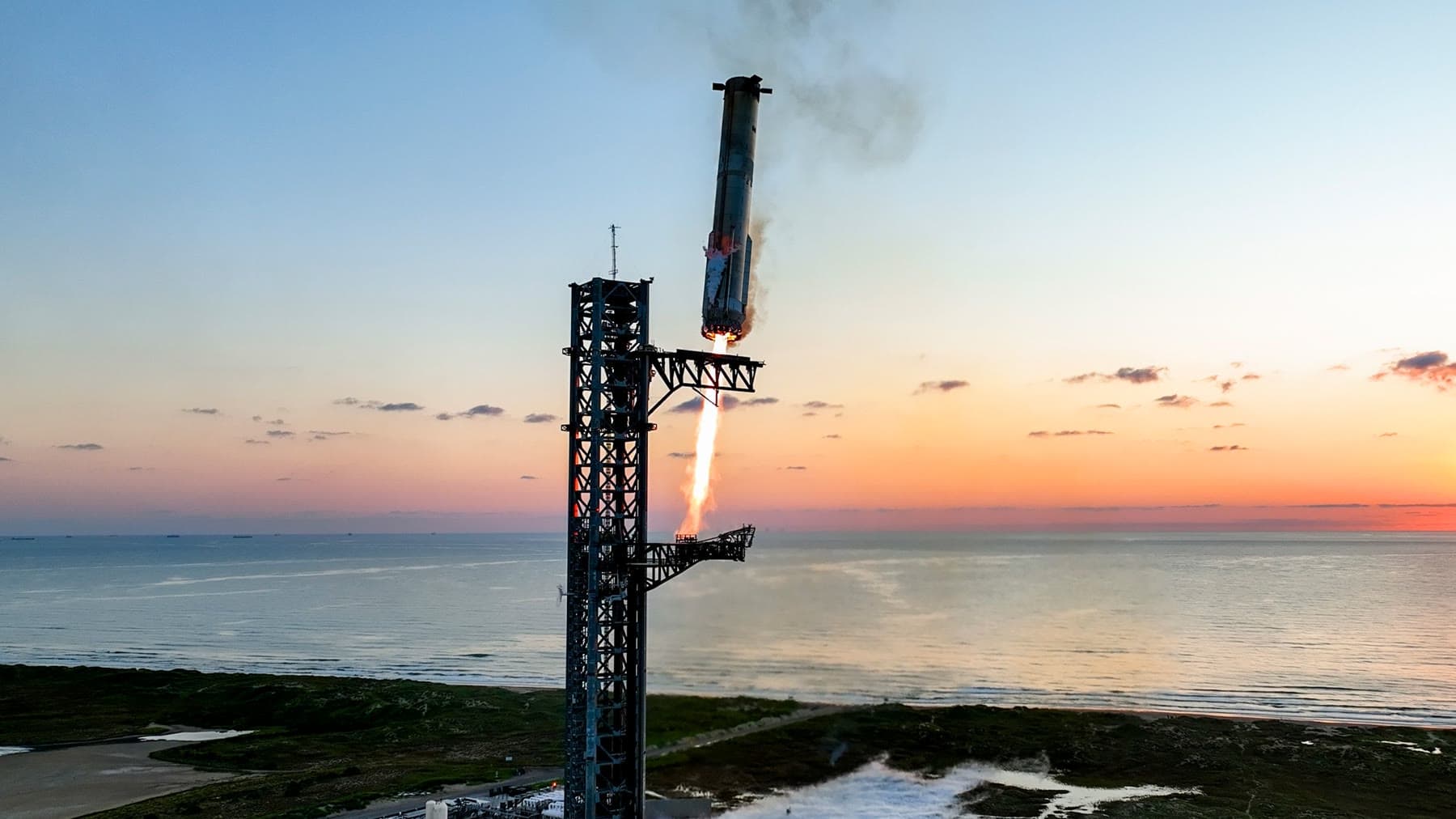
The bigger shift
This is not a handoff from governments to companies.
The current era is a mixed ecosystem. Agencies still set objectives, buy services, regulate safety, and fund high-risk technology. Companies build more of the visible hardware and often carry the operational burden.
That is why the strongest examples are not slogans. They are Falcon booster reflights, commercial cargo and crew service to ISS, Starlink deployment cadence, CLPS lander attempts, commercial station procurement, and new heavy or medium vehicles trying to reach routine service.
The fragile parts matter just as much: full rapid reuse, station business models, orbital refueling, lunar surface logistics, debris management, and Mars settlement are not proven because they have impressive renderings.
What changed the operating model
The new era has three visible layers.
Launch became more repeatable
Reusable first stages and higher cadence made space feel less episodic, but launch is still only one layer of the infrastructure problem.
Satellites became consumer products
Broadband constellations, Earth data, and direct-to-device work make space visible through everyday services rather than only exploration missions.
Exploration became a supply chain
Artemis, CLPS, Gateway, landers, suits, rovers, stations, and commercial services turn exploration into an integration problem.
Proof gates
A new era is proven by operations, not vocabulary.
The guide separates working capability from active development. Reuse, service procurement, lunar logistics, and station markets all have to survive schedule pressure, regulator scrutiny, safety reviews, customers, and repeated missions.
The era is real, but uneven. Launch cadence has changed faster than lunar surface systems, station certification, regulation, or Mars-relevant life-support technology.
Falcon reuse made launch cadence visible to ordinary viewers.
Artemis turns the Moon from a nostalgia story into an infrastructure dependency map.
Commercial stations ask whether low Earth orbit can become a service market after ISS.
Starlink shows how launch, manufacturing, spectrum, and recurring revenue connect.
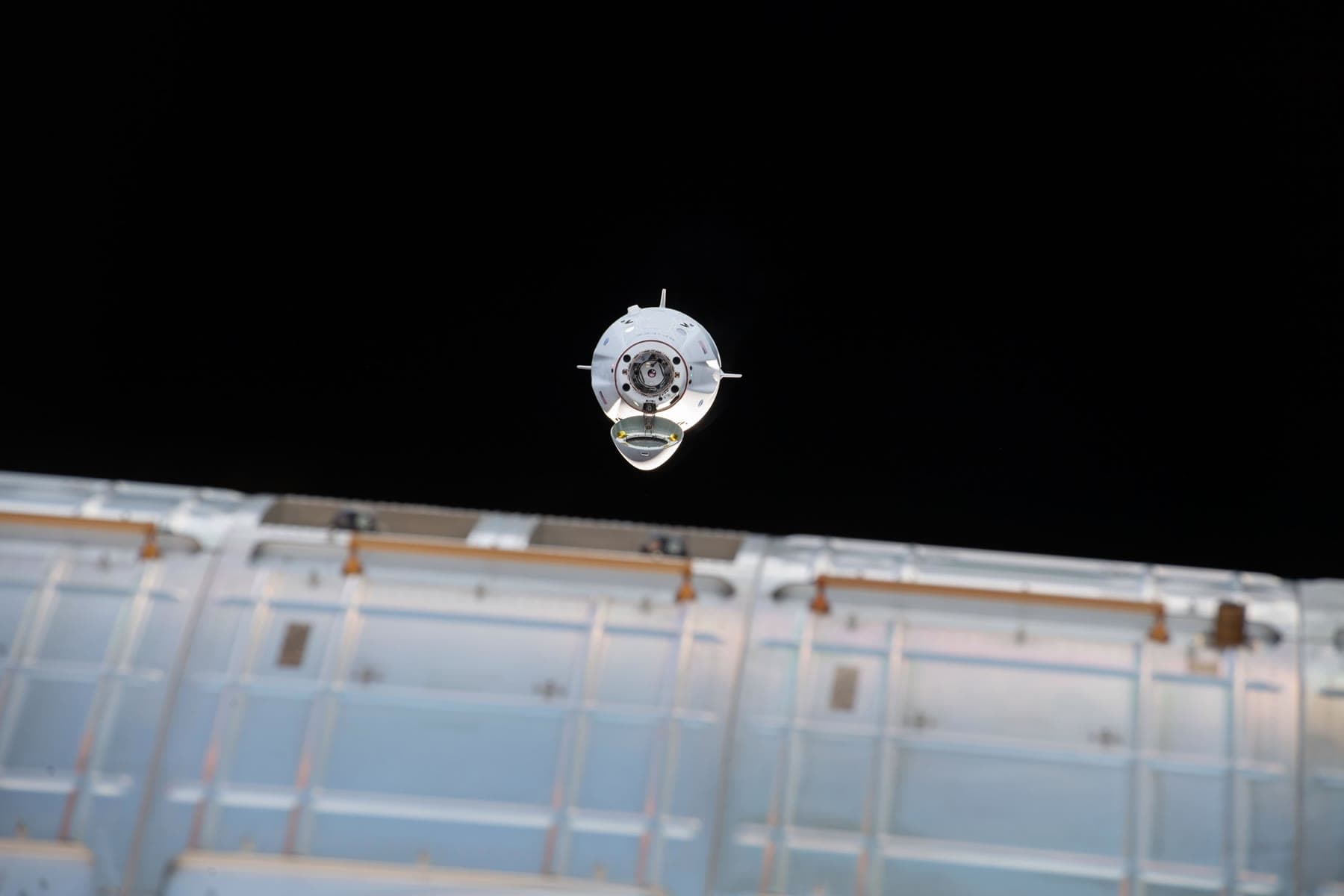
Why NASA still matters
Government demand is part of the market, not a footnote.
Commercial crew and cargo changed how NASA buys access to low Earth orbit, but they did not remove NASA from the system. They changed where ownership, operations, certification, and risk sit.
The same pattern appears in commercial stations, lunar deliveries, Artemis landers, Earth science, and exploration architecture. A company can be commercial and still depend on public objectives.
How to read updates
Watch for repeatable service, not first-time spectacle.
The highest-signal updates show cadence, reflight intervals, certified operations, regulator decisions, customer diversity, and hardware that survives contact with the real mission environment.
Whether reusable heavy-lift reaches repeat operations
Whether Artemis dependency gates clear in sequence
Whether commercial station hardware reaches orbit
Whether regulators keep pace with launch cadence and orbital congestion
Common traps
These shortcuts make the story less accurate.
The New Space Age headlines can make one milestone sound like a finished system. These distinctions keep the update tied to what was actually demonstrated, decided, or still missing.
New space does not mean governments stopped mattering.
More launches do not automatically mean settlement is near.
A company announcement is not the same as an operational capability.
Next steps
Keep the roadmap in view
Get major space updates, set launch reminder interest, or keep exploring the Roadmap that turns space progress into a readable system.