
 Your Guide to Space
Past briefing
Space Now
What changed, why it matters, and what to watch next.
News from the last 24 hours, plus the ongoing storylines shaping the roadmap
Catch up fast
Today in 60 seconds
The three fastest entry points into today's briefing.
The Briefing
The developments worth your attention right now
If you only have a minute, start here. These are the changes most likely to affect missions, schedules, or the longer arc of the story.
SpaceX weighs a tower catch for Starship’s next flight
Flight 13 released functioning satellites and brought Starship through reentry to an intact splashdown. Super Heavy fared worse: several landing-burn engines failed to start, producing a harder-than-planned impact in the Gulf of Mexico. Attention has now shifted to the ship’s postflight condition and a more ambitious recovery test.
Catching the upper stage would move SpaceX beyond demonstrating survival toward recovering both parts of the vehicle at the launch site—a key step in its reuse plan.
The flight result was already known. The new development is the postflight assessment: drones examined the floating ship and heat shield, while Musk pointed to a possible tower-return attempt on the following mission.
What we know
- SpaceX will likely attempt to catch Starship back at the launch pad on its next flight.
- Super Heavy made an on-target but hard splashdown off Texas, while the Starship upper stage completed a successful suborbital flight to the Indian Ocean. All 33 first-stage engines fired normally at liftoff.
- SpaceX launched Flight 13 on July 24, correcting some previous-flight issues and deploying functioning satellites for the first time. Not all engines needed for Super Heavy's landing burn started.
What remains unknown
- Whether the target, status, webcast, or mission outcome changes again after the next public update.
Watch for SpaceX to publish the next flight plan, including whether a tower recovery becomes a formal objective and how the company addresses Super Heavy’s landing-burn shortfall.
Ars Technica
SpaceX will likely attempt to catch Starship back at the launch pad on its next flight.
Open sourceSpaceflight Now
Super Heavy made an on-target but hard splashdown off Texas, while the Starship upper stage completed a successful suborbital flight to the Indian Ocean. All 33 first-stage engines fired normally at liftoff.
Open sourceSpaceNews
SpaceX launched Flight 13 on July 24, correcting some previous-flight issues and deploying functioning satellites for the first time. Not all engines needed for Super Heavy's landing burn started.
Open sourceSpacePolicyOnline.com
The outlet characterized Flight 13 as mostly successful. Starship completed its suborbital flight, while Super Heavy made a hard landing after several engines did not fire for its landing burn.
Open sourceSoyuz MS-28 brings three station crew members home
NASA astronaut Chris Williams and Roscosmos cosmonauts Sergey Kud-Sverchkov and Sergei Mikaev landed in Kazakhstan after 241 days in space.
Crew returns are the closing test of every station rotation. This one completed an eight-month expedition that included two spacewalks and research spanning cancer treatments and advanced electronic materials.
Quick hits
Also worth knowing
Three smaller developments worth keeping on your radar.
Defense customers are treating rapid turnaround less like a niche feature and more like an operating requirement.
Science missionsNASA’s public schedule continues to target Aug. 30, 2026, for the Nancy Grace Roman Space Telescope.Roman is close enough to launch that a firm confirmation or delay would matter quickly.
Lunar infrastructureSeveral NASA-backed CLPS cargo missions remain spread across 2026 and 2027.A durable lunar program needs repeatable deliveries, not isolated landings.
Artemis III prime crew members
Crew assignment is not evidence the mission will launch on time, but it is a concrete development that NASA is moving from architecture drawings into flight preparation.
This turns Artemis III from a program milestone into a named crewed mission with training and integration work now visible.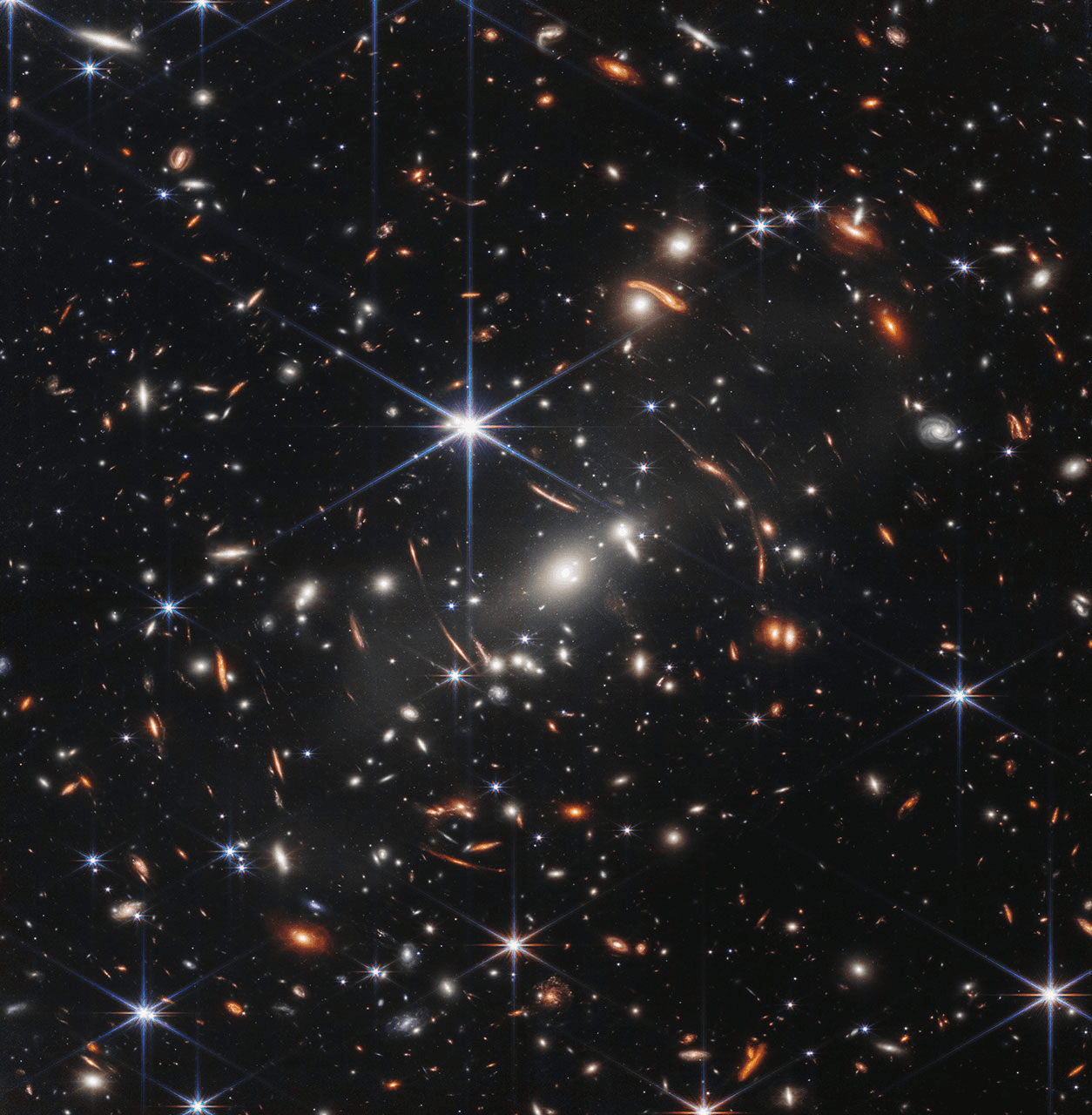
Webb caught a clue about black holes that may have formed first
NASA's Webb team reports evidence that a massive early-universe black hole in Abell2744-QSO1 may have formed before a mature host galaxy.
The image shows a lensed Little Red Dot in Pandora's Cluster, magnified into multiple views that let Webb study gas motion near a distant black hole.
It is a reminder that the same space ecosystem tracking rockets also expands the story of how the universe built its first structures.
You're caught up. Check back after the next source and editorial review.
What to Watch Next
The moments this briefing was watching
These were the events Space Now was watching from this briefing date.
Starship Flight 13’s recycled launch attempt
The flight can be judged against specific objectives rather than pad activity alone.
Blue Origin’s explanation of the New Glenn NG-4 hotfire anomaly
New Glenn cannot return to the near-term launch picture until the cause and repair implications are clearer.
Falcon 9 launch of MRV-1 from Cape Canaveral
MRV-1 carries a robotic system intended to extend the working lives of satellites in geostationary orbit.