
 Your Guide to Space
Space Now
Falcon cadence is about to get another test today; the 35-flight booster milestone remains useful context
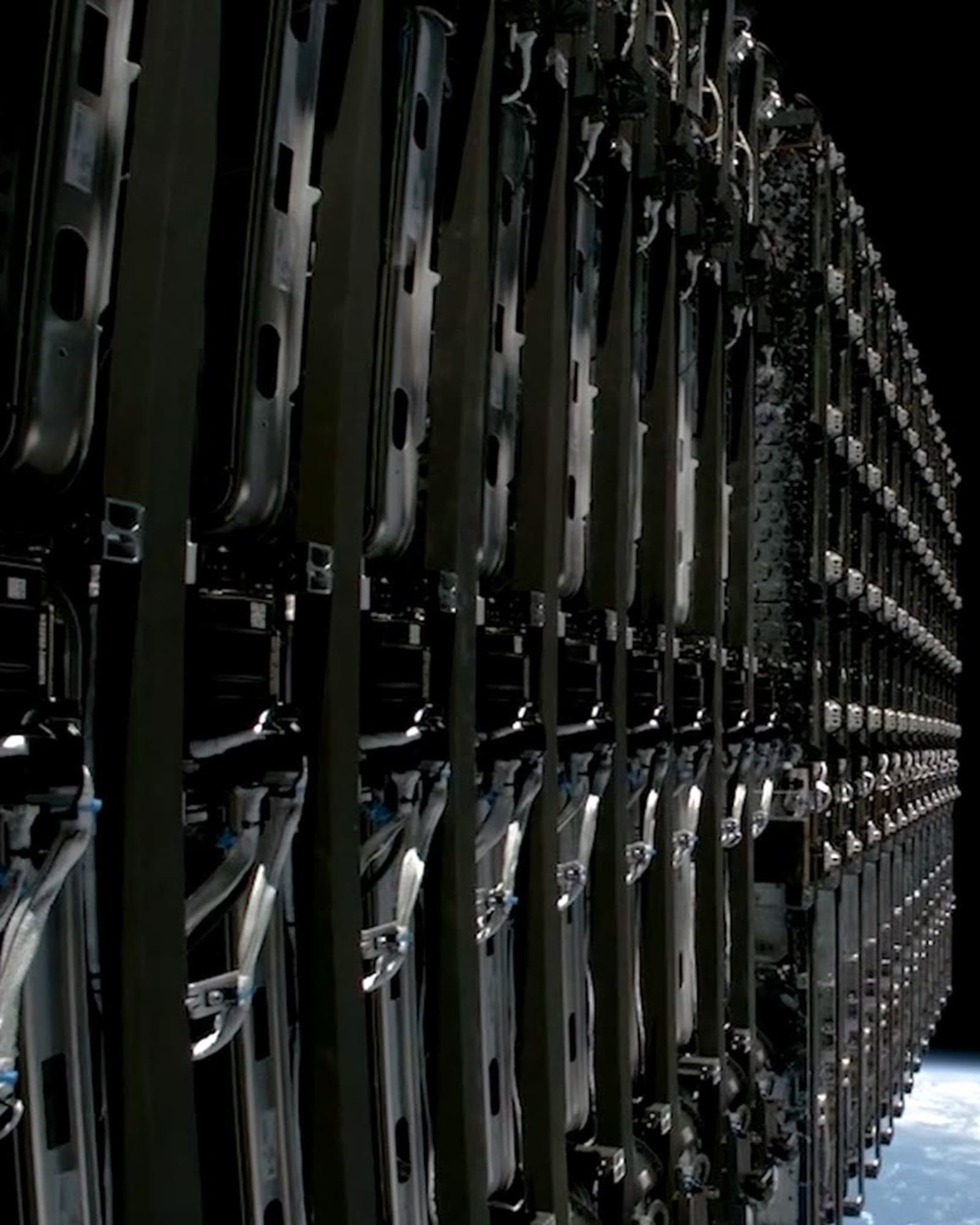
The 35-flight Starlink mission is no longer fresh news, but it remains the clearest recent benchmark for what Falcon 9 has normalized. That matters more on a day when another Falcon mission is lined up for the Space Development Agency with a precise afternoon UTC target from Vandenberg. Routine is the story here: very high reuse plus military and commercial work sharing the same dependable launch system.
The story so far
- July 12: It slips behind Artemis because today produced a newer public update with broader attention, not because the launch result became less meaningful.
- July 13: Nothing new broke today; the reason it stays visible is that the result remains more consequential than many same-day minor schedule notes.
- July 13: Nothing material changed today; it stays visible because the launch result remains more significant than many minor schedule edits in the same period.
- July 14: Nothing new today; this remains in view as context for why a two-launch Falcon day is credible in the first place.
- July 16: The context has shifted from celebrating one veteran booster to watching whether Falcon adds another on-time mission to the pile before Starship’s evening test window.
Interpretation
Why this matters
When one rocket family can treat a national-security constellation launch and a heavily reused booster as ordinary business, that says a lot about where orbital transport capacity sits in 2026.
Known facts
- SpaceX confirms deployment of the Starlink satellites. SpaceX launched its latest batch of Starlink satellites Friday night from Vandenberg Space Force Base using its second most-flown Falcon 9 first stage booster. The Starlink 17-48 mission added another 24 broadband internet satellites. The Falcon 9 booster B1071 flew its 35th mission and later landed on the drone ship ‘Of Course I Still Love You’.
- A SpaceX Falcon 9 rocket flew for the 35th time tonight (July 10), carrying 29 Starlink satellites to low Earth orbit.
Unknowns
- Whether follow-up public reporting or official updates change the timing, scope, or practical consequence of this story.
Source status
What the sources actually say
Each claim is kept next to its source so the story never overstates what official evidence can actually prove.
Spaceflight Now
SpaceX confirms deployment of the Starlink satellites. SpaceX launched its latest batch of Starlink satellites Friday night from Vandenberg Space Force Base using its second most-flown Falcon 9 first stage booster. The Starlink 17-48 mission added another 24 broadband internet satellites. The Falcon 9 booster B1071 flew its 35th mission and later landed on the drone ship ‘Of Course I Still Love You’.
Space.com
A SpaceX Falcon 9 rocket flew for the 35th time tonight (July 10), carrying 29 Starlink satellites to low Earth orbit.
Spaceflight Now
A batch of 24 Starlink V2 Mini satellites seen orbiting above the Earth prior to deployment during the Starlink 17-48 mission on July 10, 2026. Image: SpaceX Update July 11, 12:21 a.m. EDT (0421 UTC): SpaceX confirms deployment of the Starlink satellites SpaceX launched its latest batch of Starlink satellites Friday night from Vandenberg Space Force Base using its second most-flown Falcon 9 first stage booster.
Open sourceSpace.com
A SpaceX Falcon 9 rocket flew for the 35th time tonight (July 10), carrying 29 Starlink satellites to low Earth orbit.
Open sourceSpaceX
Falcon 9 Block 5 | SDA Tranche 1 Transport Layer E is tracked as to be determined with target 2026-06-30T00:00:00+00:00. This launch helps show the reusable-launch track record for reusable orbital launch.
Open sourceTimeline
How the story has developed
A running record of what changed, when, and why. Editorial review Jul 16, 2026.
- July 11: This became the lead after current public reporting made it the strongest fresh story.
- July 11: Independent coverage and same-day public attention made this the strongest fresh development in the space news cycle, overtaking the narrower JAXA schedule update as the lead item.
- July 12: It drops to second because today brought a newer public development with stronger same-day attention, not because the launch result became less significant.
- July 12: It slips behind Artemis because today produced a newer public update with broader attention, not because the launch result became less meaningful.
- July 13: Nothing new broke today; the reason it stays visible is that the result remains more consequential than many same-day minor schedule notes.
- July 13: Nothing material changed today; it stays visible because the launch result remains more significant than many minor schedule edits in the same period.
- July 14: Nothing new today; this remains in view as context for why a two-launch Falcon day is credible in the first place.
- July 16: The context has shifted from celebrating one veteran booster to watching whether Falcon adds another on-time mission to the pile before Starship’s evening test window.
Corrections
- No corrections recorded.
No separate Starman's Note is needed yet.