
 Your Guide to Space
Past briefing
Space Now
What changed, why it matters, and what to watch next.
News from the last 24 hours, plus the ongoing storylines shaping the roadmap
Catch up fast
Today in 60 seconds
The three fastest entry points into today's briefing.
The Briefing
The developments worth your attention right now
If you only have a minute, start here. These are the changes most likely to affect missions, schedules, or the longer arc of the story.
Artemis II’s audience spike shows NASA still knows how to make the public look up
Today’s freshest public update is not a launch result but a reach result: NASA says Artemis II broke the agency’s streaming record, while Space.com put the total at 149 million views. That does not move the flight schedule by itself, but it does show Artemis still commands broad attention well beyond the usual space audience.
The practical consequence is political and programmatic. A mission that can pull that kind of live audience gives NASA and its partners a stronger public platform as Artemis moves into the harder phase: turning post-flyby momentum into support for the next pieces of the lunar architecture.
Same-day coverage elevated this from background Artemis chatter into the clearest fresh development in space news. NASA’s record claim was newly paired with outside reporting that quantified the scale of the audience.
What we know
- NASA said Artemis II broke the agency's streaming record, and Space.com separately highlighted the mission drawing 149 million views.[src-c6e7b23c0a3a,src-f356da07108c] Within the candidate coverage, this update sits inside broader sustained Artemis attention that also includes crew-focused and program-related coverage from NASA and major outlets in recent days.[src-92ba32e213d5,src-d550e497f2af,src-28c66e0a5a87,src-6a1578cddf50]
- NASA said Artemis II broke the agency's streaming record, and Space.com separately highlighted the mission drawing 149 million views.[src-c6e7b23c0a3a,src-f356da07108c] Within the candidate coverage, this update sits inside broader sustained Artemis attention that also includes crew-focused and program-related coverage from NASA and major outlets in recent days.[src-92ba32e213d5,src-d550e497f2af,src-28c66e0a5a87,src-6a1578cddf50]
- NASA said Artemis II broke the agency's streaming record, and Space.com separately highlighted the mission drawing 149 million views.[src-c6e7b23c0a3a,src-f356da07108c] Within the candidate coverage, this update sits inside broader sustained Artemis attention that also includes crew-focused and program-related coverage from NASA and major outlets in recent days.[src-92ba32e213d5,src-d550e497f2af,src-28c66e0a5a87,src-6a1578cddf50]
What remains unknown
- Whether follow-up public reporting or official updates change the timing, scope, or practical consequence of this story.
Watch for the next official Artemis milestone that turns attention into program movement — hardware, schedule, or mission-plan updates, not just recap material.
unknown
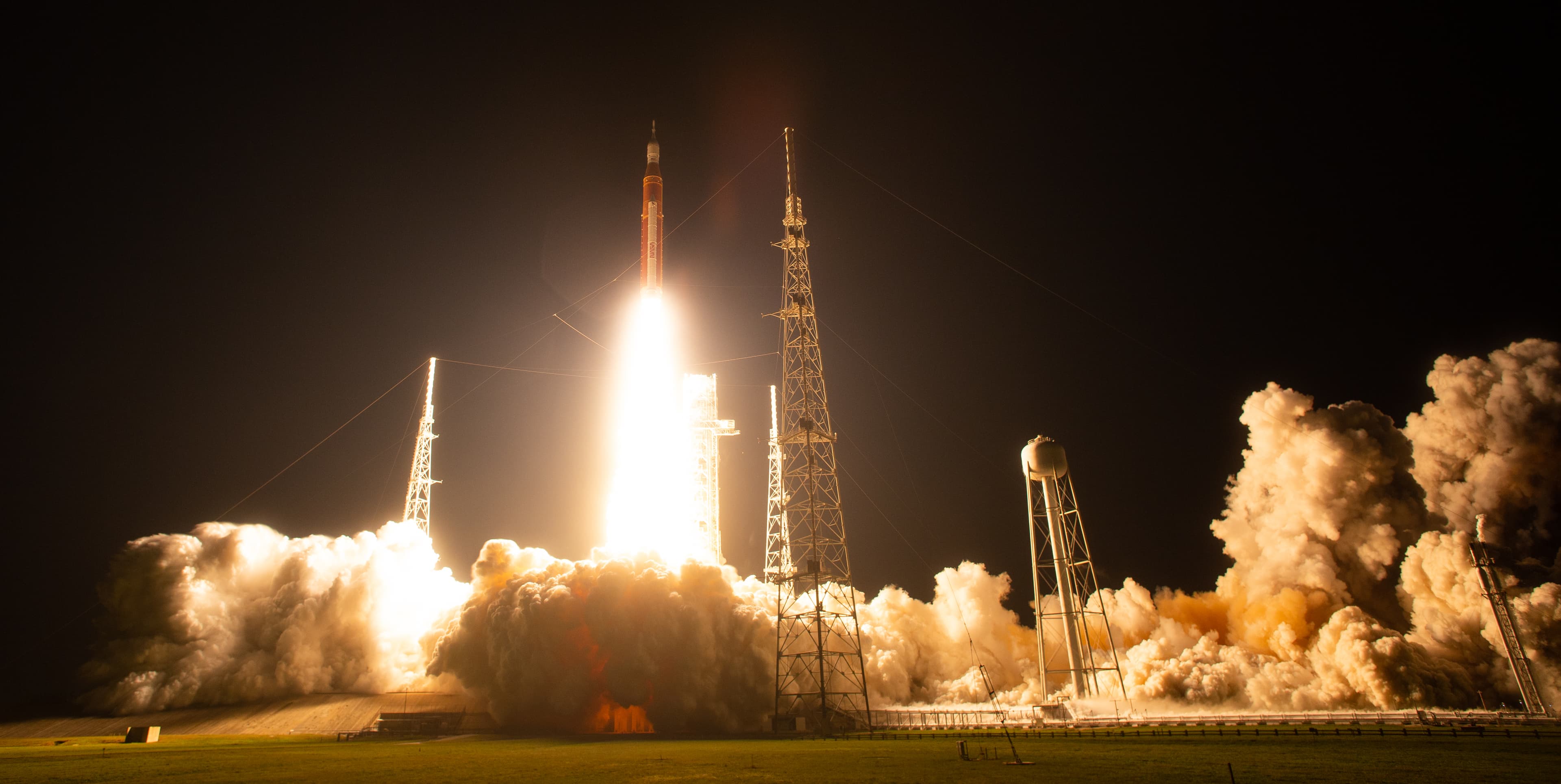
NASA said Artemis II broke the agency's streaming record, and Space.com separately highlighted the mission drawing 149 million views.[src-c6e7b23c0a3a,src-f356da07108c] Within the candidate coverage, this update sits inside broader sustained Artemis attention that also includes crew-focused and program-related coverage from NASA and major outlets in recent days.[src-92ba32e213d5,src-d550e497f2af,src-28c66e0a5a87,src-6a1578cddf50]
Open sourceSpace.com
The Artemis II astronauts made an impact on potentially hundreds of millions of people during their mission, according to NASA figures.
Open sourceFalcon 9’s 35-flight booster keeps reuse looking ordinary
SpaceX launched 24 Starlink V2 Mini satellites from Vandenberg, landed booster B1071, and later confirmed deployment.
The point is not the number by itself. When a first stage can fly 35 times and come home again, reuse stops being a stunt and becomes infrastructure.
JAXA adds a backup window to the H3 Flight 9 QZS-7 plan
JAXA revised its public notice for the QZS-7 mission and added a reserve opportunity to the launch plan.
This is a small scheduling move, not a new mission phase. Still, reserve time in the plan gives operators more flexibility if weather or technical issues intrude near launch.
Quick hits
Also worth knowing
Three smaller developments worth keeping on your radar.
Fast access to orbit keeps shifting from niche capability toward expected service for defense and time-sensitive customers.
Science missionsNASA still lists the Nancy Grace Roman Space Telescope for launch on Aug. 30, 2026.Roman is one of the biggest science flights on the near-term calendar, so any confirmation or slip will matter quickly.
Lunar infrastructureNASA’s public schedule continues to show several CLPS lunar cargo missions across 2026 and 2027.The lunar program depends on cargo delivery becoming repeatable, not just on the crewed headlines.
Artemis III prime crew members
Crew assignment is not evidence the mission will launch on time, but it is a concrete development that NASA is moving from architecture drawings into flight preparation.
This turns Artemis III from a program milestone into a named crewed mission with training and integration work now visible.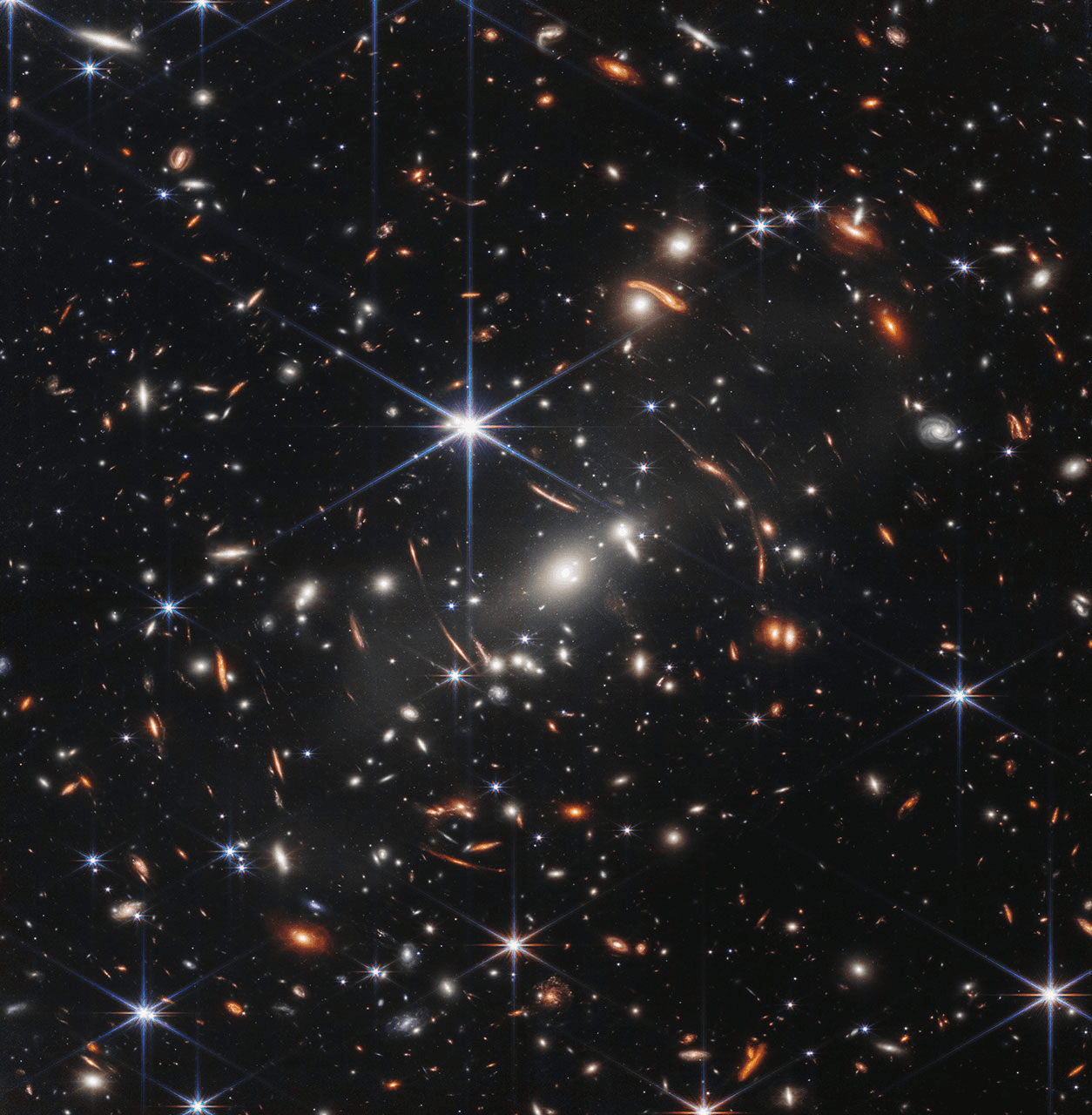
Webb caught a clue about black holes that may have formed first
NASA's Webb team reports evidence that a massive early-universe black hole in Abell2744-QSO1 may have formed before a mature host galaxy.
The image shows a lensed Little Red Dot in Pandora's Cluster, magnified into multiple views that let Webb study gas motion near a distant black hole.
It is a reminder that the same space ecosystem tracking rockets also expands the story of how the universe built its first structures.
You're caught up. Check back after the next source and editorial review.
What to Watch Next
The moments this briefing was watching
These were the events Space Now was watching from this briefing date.
A real Starship Flight 13 status change
Ground tests are interesting, but the story only really advances when SpaceX or regulators tie them to an actual flight path back to launch.
Blue Origin follow-up on New Glenn NG-4
New Glenn matters as a competitor only when Blue Origin explains the hotfire problem and shows what comes next.
A firmer update on the Swift reboost mission arc
On-orbit servicing is more interesting than another routine launch once the mission picture is concrete enough to judge.