
 Your Guide to Space
Past briefing
Space Now
What changed, why it matters, and what to watch next.
News from the last 24 hours, plus the ongoing storylines shaping the roadmap
Catch up fast
Today in 60 seconds
The three fastest entry points into today's briefing.
The Briefing
The developments worth your attention right now
If you only have a minute, start here. These are the changes most likely to affect missions, schedules, or the longer arc of the story.
Artemis reaches 70 partners as ESA spotlights the people behind its hardware
Mauritius joined the Artemis Accords as their seventh African participant, one day after Serbia became member 69. ESA’s new video adds the operational side of that diplomatic expansion: the Artemis II astronauts met engineers at ESTEC who worked on the European Service Module that powered Orion around the Moon and home.
The Accords now give NASA and its partners a wider base for coordinating principles such as transparency, interoperability and responsible exploration. The ESTEC visit shows the other half of the coalition: countries are not only signing documents; some are supplying mission-critical spacecraft systems.
A milestone that began with two new signatures gained fresh visibility today through ESA’s account of the crew’s visit to its technical center. That connects Artemis diplomacy with the hardware partnership already flying missions.
What we know
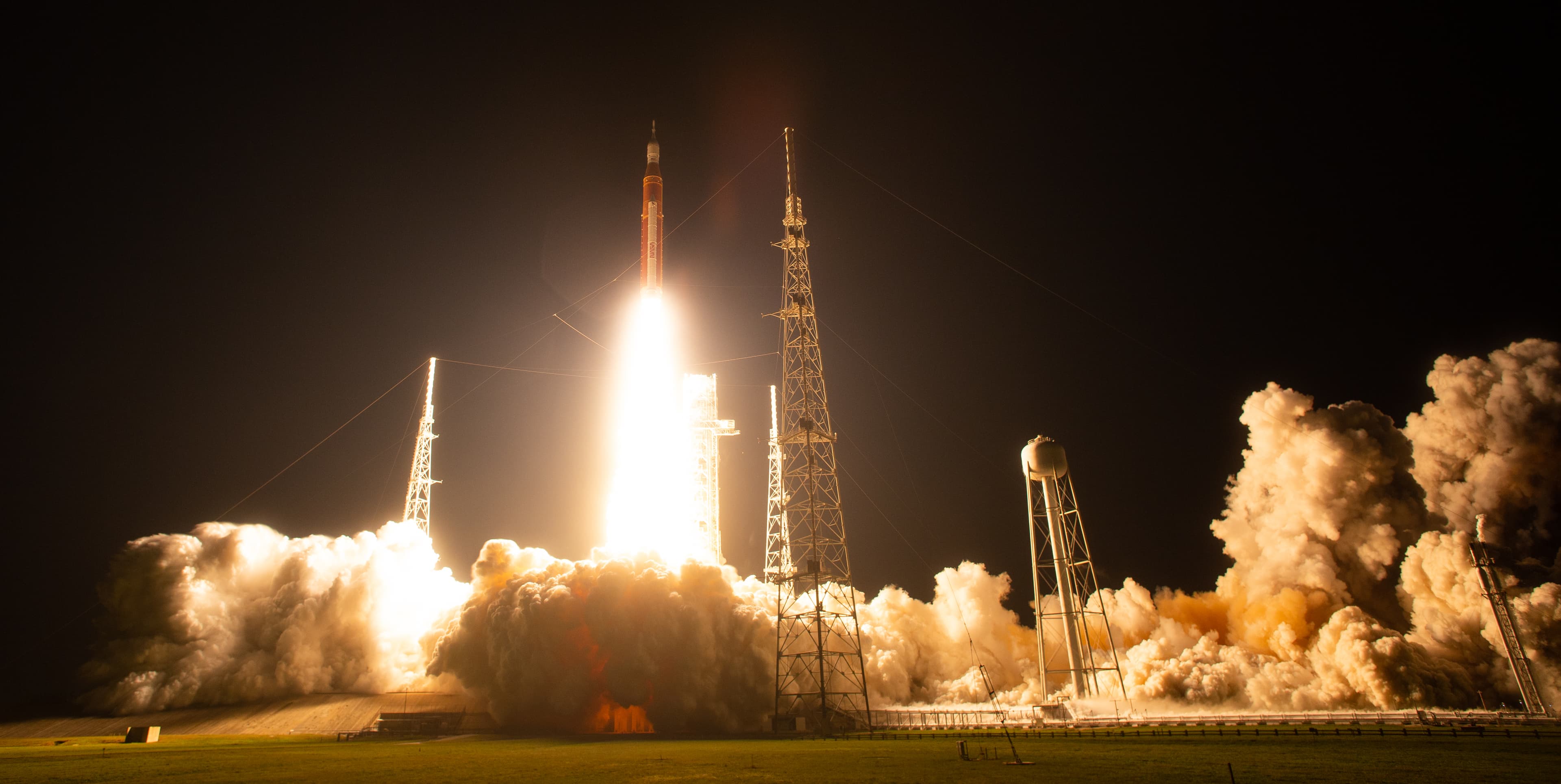
- Falcon 9 Block 5 | Starlink Group 17-39 is tracked as go for launch with target Jul 20, 2026, 2:49 PM UTC. This launch helps show how reusable orbital launch keeps turning schedule targets into repeatable service.
What remains unknown
- Whether the target, status, webcast, or mission outcome changes again after the next public update.
Watch for another signatory or a concrete agreement that assigns a new partner work on an Artemis mission.
ESA
The four Artemis II astronauts visited ESTEC, ESA’s technical centre in the Netherlands, on 13 July as the first stop in a series of post-flight visits to the European teams that made their mission possible.
Open sourceSpaceNews
Mauritius signed the Artemis Accords July 17, becoming the 70th nation to do so in less than six years.
Open sourceNASA
The Republic of Mauritius has officially joined the global coalition committed to responsible space exploration, becoming the newest signatory and seventh African country to join the Artemis Accords.
Open sourceSpacePolicyOnline.com
Serbia and Mauritius have joined the Artemis Accords in the past two days, bringing the number of signatories to 70.
Open source Also reported by SpaceNewsAnother Vandenberg Starlink flight is waiting on a result
Spaceflight Now reported that SpaceX planned to send 24 Starlink V2 Mini satellites from California today on its 85th Falcon 9 mission of the year.
The mission cargo is routine; the tempo is not. Frequent missions let SpaceX expand Starlink while repeatedly exercising the same rocket, pad and recovery chain.
Quick hits
Also worth knowing
Three smaller developments worth keeping on your radar.
Defense customers keep pushing fast-turn launch from niche capability toward baseline expectation.
Science missionsNASA’s public schedule still shows the Nancy Grace Roman Space Telescope targeting Aug. 30, 2026.Roman is close enough that any confirmation or slip would quickly become one of the sharper science-program developments on the board.
Lunar infrastructureNASA’s schedule continues to show several CLPS lunar cargo missions spread across 2026 and 2027.Lunar exploration needs repeatable cargo delivery, not occasional one-off wins.
Artemis III prime crew members
Crew assignment is not evidence the mission will launch on time, but it is a concrete development that NASA is moving from architecture drawings into flight preparation.
This turns Artemis III from a program milestone into a named crewed mission with training and integration work now visible.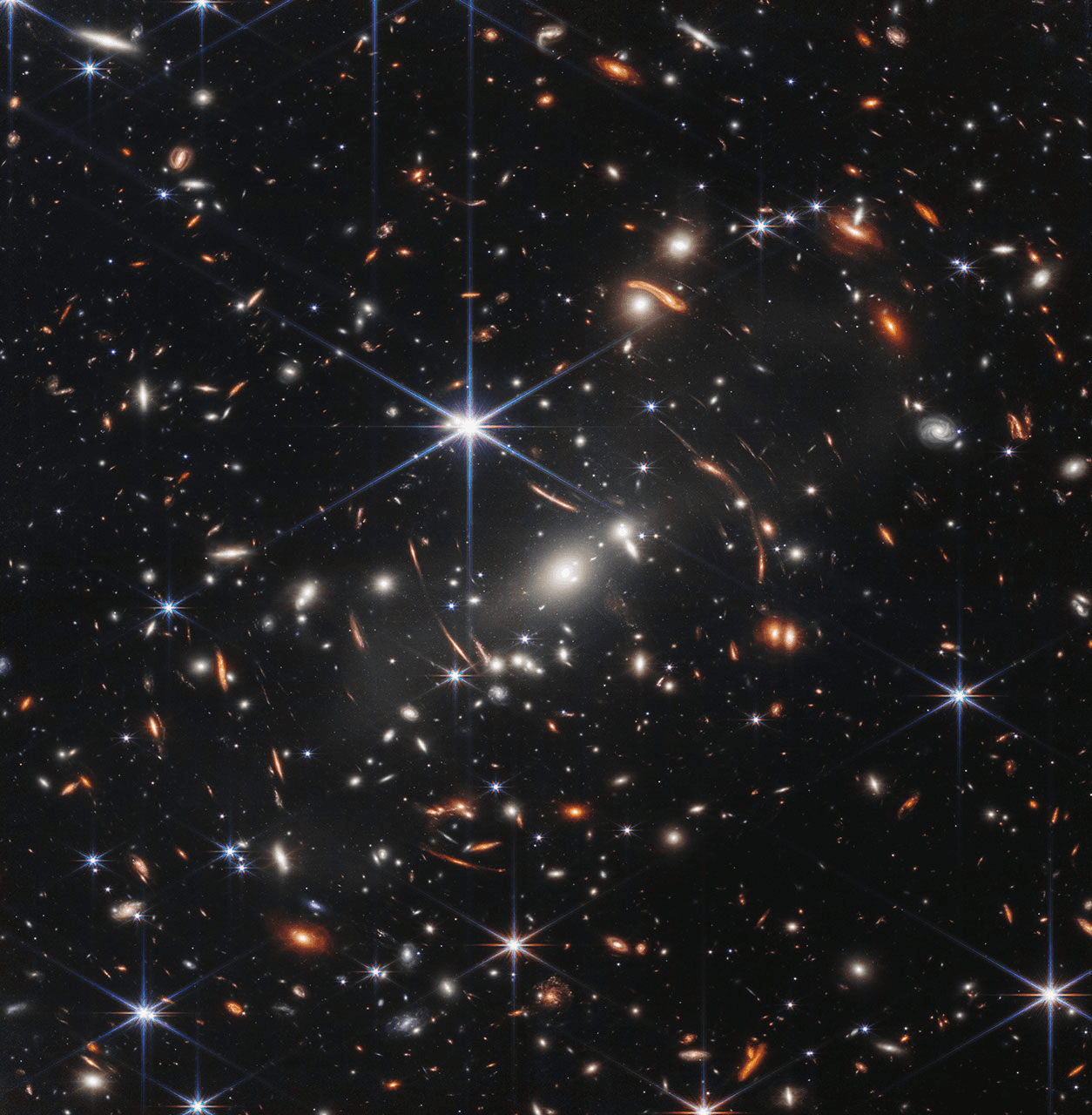
Webb caught a clue about black holes that may have formed first
NASA's Webb team reports evidence that a massive early-universe black hole in Abell2744-QSO1 may have formed before a mature host galaxy.
The image shows a lensed Little Red Dot in Pandora's Cluster, magnified into multiple views that let Webb study gas motion near a distant black hole.
It is a reminder that the same space ecosystem tracking rockets also expands the story of how the universe built its first structures.
You're caught up. Check back after the next source and editorial review.
What to Watch Next
The moments this briefing was watching
These were the events Space Now was watching from this briefing date.
Starship Flight 13’s recycled launch attempt
The flight can be judged against specific objectives rather than pad activity alone.
Blue Origin’s next substantive New Glenn NG-4 explanation
New Glenn does not re-enter the near-term launch conversation until Blue Origin explains the hotfire problem and its schedule effect.
Falcon 9 launch of MRV-1 from Cape Canaveral
MRV-1 carries a robotic servicing vehicle and extension pods designed to prolong satellites operating in geostationary orbit.